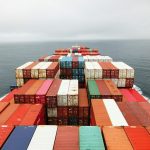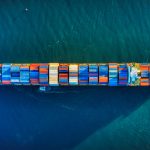


Sea freight shipping is a vital component of global trade, facilitating the movement of goods across international waters. This method of transportation involves the use of cargo ships to transport large quantities of goods, making it an essential service for businesses engaged in import and export activities. The shipping industry has evolved significantly over the years, adapting to changes in technology, regulations, and market demands. As a result, sea freight remains a preferred choice for many companies due to its capacity to handle bulk shipments and its cost-effectiveness compared to other modes of transport.
The process of sea freight shipping encompasses various stages, including booking space on a vessel, loading cargo at the port, and transporting it to the destination port. Once the cargo arrives, it must go through customs clearance before it can be delivered to the final destination. Understanding the intricacies of sea freight is crucial for businesses looking to optimize their supply chain and ensure timely delivery of goods. This article will explore the advantages of sea freight shipping, the types of cargo suitable for this method, and other essential aspects that businesses should consider when engaging in sea freight.
In the ever-evolving landscape of logistics, understanding the nuances of sea freight is crucial for businesses looking to optimize their supply chains. A related article that delves into the broader implications of digital advancements in the freight industry is titled “The Future of Freight Forwarding: Embracing Digital Transformation.” This insightful piece explores how technology is reshaping freight forwarding, including sea freight operations, and offers valuable perspectives for companies aiming to stay competitive. For more information, you can read the article here: The Future of Freight Forwarding: Embracing Digital Transformation.
Advantages of Sea Freight Shipping
One of the primary advantages of sea freight shipping is its cost-effectiveness, particularly for large shipments. Compared to air freight, which is often significantly more expensive, sea freight allows businesses to transport goods at a lower cost per unit. This is especially beneficial for companies that deal with bulk commodities or heavy items, as the economies of scale can lead to substantial savings. Additionally, sea freight is less affected by fluctuations in fuel prices than air transport, making it a more stable option for long-term shipping needs.
Another significant advantage is the capacity of cargo ships to carry large volumes of goods. Modern container ships are designed to accommodate thousands of containers, enabling businesses to ship substantial quantities in a single voyage. This capability not only reduces shipping frequency but also minimizes the environmental impact per unit transported. Furthermore, sea freight is suitable for a wide range of cargo types, including oversized and heavy items that may not be feasible for air transport. The ability to transport diverse goods makes sea freight an attractive option for many industries.
Types of Cargo Suitable for Sea Freight

Sea freight is versatile and can accommodate various types of cargo, making it suitable for numerous industries. Common categories include raw materials such as metals, minerals, and agricultural products, which are often shipped in bulk. These materials are essential for manufacturing processes and are typically transported over long distances. Additionally, finished goods such as electronics, machinery, and consumer products are frequently shipped via sea freight, allowing manufacturers to reach global markets efficiently.
Moreover, specialized cargo types such as hazardous materials and temperature-sensitive items can also be transported by sea freight. Shipping companies have developed specific containers and handling procedures to ensure compliance with safety regulations and maintain product integrity during transit. For instance, refrigerated containers are used for perishable goods like food and pharmaceuticals, while tankers are designed for liquid cargo such as chemicals and oil. This adaptability makes sea freight an essential service for businesses with diverse shipping needs.
Choosing the Right Shipping Company for Sea Freight

Selecting an appropriate shipping company is crucial for ensuring a smooth sea freight experience. Businesses should consider several factors when evaluating potential carriers, including their reputation, experience, and service offerings. A well-established company with a proven track record in sea freight can provide valuable insights into best practices and help navigate potential challenges that may arise during shipping.
Additionally, it is important to assess the shipping company’s network and capabilities. A carrier with a robust global presence can offer more flexible routing options and better access to various ports. Furthermore, companies should inquire about the shipping line’s customer service and support systems. Effective communication is essential throughout the shipping process, from booking to delivery. A responsive shipping company can address concerns promptly and provide updates on shipment status, contributing to a more efficient logistics operation.
When considering the complexities of shipping goods internationally, understanding the role of freight forwarders can be crucial. They not only streamline the logistics process but also provide valuable insights into navigating challenges in the global economy. For a deeper exploration of how these professionals enhance the shipping experience, you can read more in this insightful article about the value freight forwarders bring during uncertain times. If you’re interested, check out the article here.
Understanding Sea Freight Rates and Charges
Understanding sea freight rates and associated charges is essential for businesses looking to manage their shipping costs effectively. Sea freight rates can vary based on several factors, including the type of cargo, shipping route, and current market conditions. Generally, rates are calculated based on the volume or weight of the cargo being shipped, with different pricing structures applicable depending on the nature of the shipment.
In addition to base freight rates, businesses should be aware of additional charges that may apply during the shipping process. These can include terminal handling fees, customs duties, and surcharges related to fuel or security. It is advisable for companies to request a detailed breakdown of all potential charges from their chosen shipping company to avoid unexpected costs. By understanding these elements, businesses can make informed decisions about their shipping strategies and budget accordingly.
When considering the various aspects of shipping goods, sustainability has become a crucial topic in the freight industry. A related article discusses how sustainability in freight forwarding is increasingly recognized as a priority, highlighting the importance of eco-friendly practices in logistics. For more insights on this subject, you can read the article on sustainability in freight forwarding here. This growing awareness is reshaping how companies approach sea freight, making it essential for businesses to adapt to these evolving standards.
Packaging and Labeling Requirements for Sea Freight
Also visit our Facebook page.
Proper packaging and labeling are critical components of successful sea freight shipping. The packaging must be robust enough to withstand the rigors of transportation over long distances and varying environmental conditions. Businesses should use high-quality materials that protect the cargo from moisture, impact, and other potential hazards during transit. Additionally, packaging should be designed to maximize space utilization within containers to minimize shipping costs.
Labeling requirements are equally important in ensuring that shipments are processed efficiently at ports and customs checkpoints. Each package should be clearly labeled with essential information such as the contents, destination address, handling instructions, and any relevant hazard symbols if applicable. Accurate labeling helps prevent delays in customs clearance and ensures that goods are handled appropriately throughout their journey.
Customs Clearance and Documentation for Sea Freight
Customs clearance is a critical step in the sea freight process that involves complying with regulations set by government authorities at both the origin and destination ports. Businesses must prepare various documents to facilitate this process, including commercial invoices, packing lists, bills of lading, and certificates of origin. These documents provide essential information about the shipment and help customs officials assess duties and taxes owed.
Failure to comply with customs regulations can result in delays or additional costs for businesses. Therefore, it is advisable for companies to work closely with their shipping partners or customs brokers to ensure all documentation is accurate and complete before shipment. Understanding the specific requirements for each destination country can also help streamline the customs clearance process and minimize potential issues.
Tracking and Monitoring Shipments by Sea Freight
Tracking shipments is an essential aspect of sea freight that allows businesses to monitor their cargo’s progress throughout its journey. Most modern shipping companies provide tracking systems that enable customers to access real-time information about their shipments’ location and estimated arrival times. This transparency helps businesses manage their supply chains more effectively by allowing them to plan for inventory replenishment or coordinate logistics at the destination.
In addition to standard tracking services, some companies offer advanced monitoring solutions that provide additional insights into shipment conditions. For example, temperature-sensitive cargo may be equipped with sensors that report on environmental conditions during transit. This data can be invaluable for ensuring product integrity and addressing any issues that may arise during transportation.
Environmental Considerations in Sea Freight Shipping
As global awareness of environmental issues increases, the shipping industry faces growing pressure to adopt more sustainable practices. Sea freight shipping has a relatively lower carbon footprint compared to other modes of transport; however, there are still significant environmental impacts associated with maritime operations. These include greenhouse gas emissions from vessels, marine pollution from ballast water discharge, and potential harm to marine ecosystems from accidents or spills.
To address these concerns, many shipping companies are investing in cleaner technologies and practices aimed at reducing their environmental impact. This includes adopting more fuel-efficient vessels, utilizing alternative fuels such as LNG (liquefied natural gas), and implementing waste management systems onboard ships. Additionally, regulatory bodies are introducing stricter emissions standards that require shipping companies to comply with environmental guidelines.
Insurance and Risk Management for Sea Freight
Insurance plays a crucial role in mitigating risks associated with sea freight shipping. Given the potential hazards involved in transporting goods over long distances by sea—such as damage from rough seas or theft—businesses should consider obtaining marine cargo insurance to protect their shipments. This type of insurance covers losses or damages incurred during transit and can provide peace of mind for companies investing in international trade.
When selecting insurance coverage, businesses should evaluate their specific needs based on the nature of their cargo and shipping routes. Different policies may offer varying levels of protection against risks such as total loss or partial damage. It is also advisable for companies to work closely with insurance providers who specialize in marine coverage to ensure they understand their options and select appropriate policies that align with their risk management strategies.
Future Trends in Sea Freight Shipping
The future of sea freight shipping is likely to be shaped by several emerging trends driven by technological advancements and changing market dynamics. One significant trend is the increasing adoption of digital technologies within the industry. Innovations such as blockchain technology are being explored for enhancing transparency in supply chains by providing secure records of transactions between parties involved in shipping.
Additionally, automation is expected to play a larger role in port operations and vessel management. Automated systems can improve efficiency by streamlining processes such as loading and unloading cargo while reducing human error. Furthermore, advancements in artificial intelligence (AI) may enable better predictive analytics for optimizing routes and managing logistics more effectively.
As sustainability continues to be a priority globally, the shipping industry will likely see further investments in eco-friendly practices aimed at reducing emissions and minimizing environmental impact. The integration of renewable energy sources into vessel operations may become more prevalent as companies seek ways to comply with stricter regulations while meeting consumer demand for greener solutions.
In conclusion, sea freight shipping remains a cornerstone of international trade due to its cost-effectiveness and capacity for handling diverse cargo types. By understanding its advantages, navigating customs requirements, ensuring proper packaging, and staying informed about industry trends, businesses can leverage sea freight effectively as part of their logistics strategy.




 ©2026 EXPERT CARGO INTERNATIONAL - All Rights Reserved - Powered by