

Rail logistics plays a crucial role in the broader context of supply chain management, serving as a vital link in the transportation of goods across vast distances. The efficiency and reliability of rail transport make it an attractive option for businesses looking to optimize their supply chains. Rail logistics encompasses the planning, execution, and management of freight transport via rail networks, which can significantly influence the overall performance of supply chains. By integrating rail transport into their logistics strategies, companies can enhance their ability to meet customer demands while managing costs effectively.
The significance of rail logistics extends beyond mere transportation; it also involves coordination with various stakeholders, including manufacturers, distributors, and retailers. Effective rail logistics requires a comprehensive understanding of the rail network’s capabilities, including its routes, schedules, and capacity. This knowledge allows businesses to make informed decisions about when and how to utilize rail services, ultimately leading to improved service levels and customer satisfaction. As global trade continues to expand, the role of rail logistics in supply chain management is likely to grow, necessitating a deeper understanding of its intricacies.
In the ever-evolving landscape of rail logistics, sustainability has become a pivotal focus for companies aiming to reduce their carbon footprint while maintaining efficiency. A related article that delves into this critical aspect is titled “Sustainability in Freight Forwarding: A Growing Priority.” This piece explores how the freight forwarding industry is adapting to sustainable practices and the implications for logistics as a whole. For more insights, you can read the article here: Sustainability in Freight Forwarding: A Growing Priority.
Leveraging Rail Freight for Cost-Effective Transportation
One of the primary advantages of rail freight is its cost-effectiveness compared to other modes of transportation, particularly for bulk goods and long-distance shipments. Rail transport can offer lower per-ton costs due to its ability to move large quantities of goods simultaneously. This efficiency is particularly beneficial for industries such as agriculture, mining, and manufacturing, where large volumes of raw materials or finished products need to be transported regularly. By leveraging rail freight, companies can reduce their overall transportation expenses, allowing them to allocate resources more effectively across their operations.
In addition to lower transportation costs, rail freight can also provide significant savings in fuel consumption and emissions. Trains are generally more fuel-efficient than trucks, making them a more environmentally friendly option for transporting goods. As businesses increasingly prioritize sustainability in their operations, the use of rail logistics can contribute to reducing their carbon footprint. By incorporating rail freight into their transportation strategies, companies not only achieve cost savings but also align themselves with broader environmental goals.
Utilizing Rail Networks for Long-Distance Transportation
Rail networks are particularly well-suited for long-distance transportation due to their extensive reach and capacity. Unlike road transport, which can be limited by traffic congestion and road conditions, rail systems can maintain consistent schedules over long distances. This reliability is essential for businesses that require timely deliveries to meet customer expectations. Rail transport can facilitate the movement of goods across regions and even countries, making it an ideal choice for companies engaged in international trade.
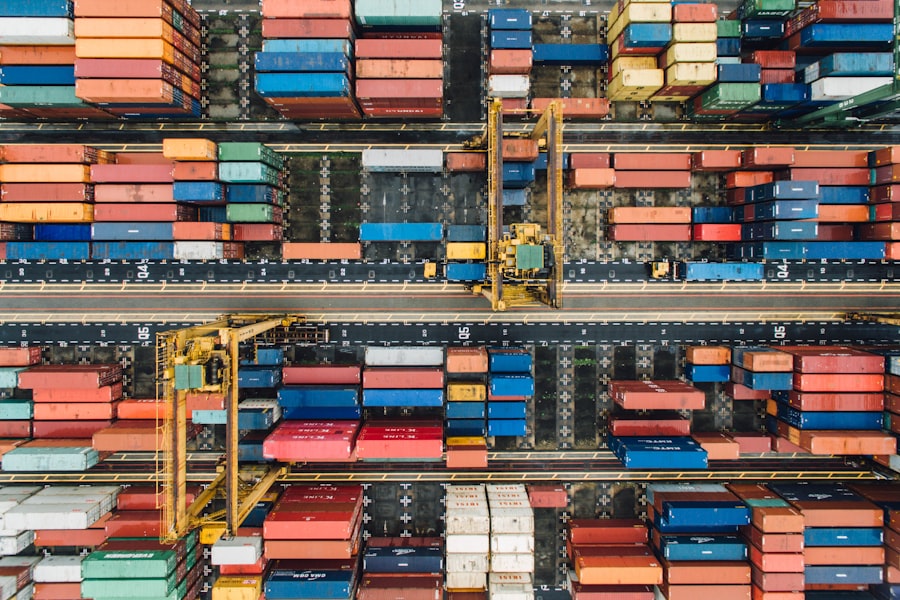
Moreover, the infrastructure associated with rail networks often allows for the efficient handling of large volumes of cargo. Intermodal terminals enable seamless transfers between rail and other modes of transport, such as trucks or ships, further enhancing the efficiency of long-distance logistics. By utilizing rail networks for long-haul shipments, businesses can streamline their supply chains and improve their overall operational efficiency. This capability is particularly important in today’s fast-paced market environment, where timely delivery can be a key differentiator.
Integrating Rail Logistics with Other Modes of Transportation

To maximize the benefits of rail logistics, it is essential to integrate it with other modes of transportation within a multimodal framework. This integration allows businesses to create a more flexible and responsive supply chain that can adapt to varying demands and conditions. By combining rail with road, air, or maritime transport, companies can optimize their logistics operations and ensure that goods are delivered efficiently and on time.
The integration process involves careful planning and coordination among different transportation providers. Companies must consider factors such as transit times, costs, and service levels when designing their multimodal logistics strategies. Effective communication between stakeholders is critical to ensure that shipments are tracked accurately and that any potential disruptions are addressed promptly. By fostering collaboration among various transport modes, businesses can enhance their overall logistics performance and better meet customer needs.
In the ever-evolving landscape of rail logistics, understanding the impact of digital transformation is crucial for optimizing operations and enhancing efficiency. A related article that delves into this topic is available at the future of freight forwarding, which explores how embracing technology can revolutionize the industry. By leveraging innovative solutions, rail logistics can improve tracking, reduce costs, and ultimately provide better service to customers.
Implementing Technology for Real-Time Tracking and Monitoring
The advent of technology has transformed the landscape of rail logistics, particularly in terms of real-time tracking and monitoring capabilities. Advanced tracking systems enable companies to monitor the location and status of their shipments throughout the transportation process. This visibility is crucial for effective supply chain management, as it allows businesses to respond quickly to any delays or issues that may arise during transit.
Real-time tracking technology also enhances communication between stakeholders involved in the logistics process. With access to up-to-date information about shipment status, companies can keep customers informed about delivery timelines and address any concerns proactively. Additionally, data collected through tracking systems can be analyzed to identify trends and areas for improvement within the logistics operation. By leveraging technology for real-time monitoring, businesses can enhance their operational efficiency and improve customer satisfaction.
In the ever-evolving landscape of rail logistics, understanding the role of freight forwarders is crucial for optimizing supply chains. A recent article discusses how these professionals enhance value in a fluctuating global economy, shedding light on their strategies and benefits. For more insights, you can read the article here: how freight forwarders add value. This knowledge can be instrumental for businesses looking to navigate the complexities of transportation and logistics effectively.
Streamlining Operations for Improved Efficiency
Also visit our Facebook page at Also visit our Facebook page..
Streamlining operations within rail logistics is essential for achieving improved efficiency and reducing costs. This process involves analyzing existing workflows and identifying areas where improvements can be made. For instance, optimizing loading and unloading procedures at terminals can significantly reduce turnaround times for trains, allowing for more efficient use of resources.
Another aspect of streamlining operations is the implementation of standardized processes across different locations and teams. By establishing best practices for rail logistics operations, companies can ensure consistency in service delivery and minimize errors. Training employees on these standardized procedures further enhances operational efficiency by equipping them with the necessary skills to perform their tasks effectively. Ultimately, a focus on streamlining operations can lead to significant gains in productivity and cost savings.
Enhancing Safety and Security Measures in Rail Logistics
Safety and security are paramount concerns in rail logistics, given the potential risks associated with transporting goods over long distances. Companies must implement robust safety measures to protect both their employees and the cargo being transported. This includes regular maintenance of rail infrastructure and equipment, as well as adherence to safety regulations set forth by governing bodies.
In addition to physical safety measures, security protocols must also be established to prevent theft or damage to cargo during transit. This may involve the use of surveillance systems at terminals and along rail lines, as well as secure loading practices to minimize risks during transportation. By prioritizing safety and security in their rail logistics operations, companies can protect their assets and maintain the integrity of their supply chains.
Collaborating with Rail Service Providers for Seamless Operations
Collaboration with rail service providers is essential for ensuring seamless operations within rail logistics. Establishing strong partnerships with these providers allows companies to benefit from their expertise and resources while enhancing overall service delivery. Effective collaboration involves open communication regarding service expectations, capacity planning, and scheduling.
By working closely with rail service providers, businesses can gain insights into potential challenges or opportunities within the rail network that may impact their operations. This collaborative approach enables companies to make informed decisions about their logistics strategies and adapt quickly to changing market conditions. Ultimately, fostering strong relationships with rail service providers contributes to a more efficient and reliable supply chain.
Analyzing Data for Performance Improvement and Decision Making
Data analysis plays a critical role in enhancing performance within rail logistics operations. By collecting and analyzing data related to transportation metrics—such as transit times, costs, and service levels—companies can identify trends and areas for improvement. This information is invaluable for making informed decisions about logistics strategies and resource allocation.
Furthermore, data-driven insights can help businesses benchmark their performance against industry standards or competitors. By understanding how they compare within the market, companies can set realistic goals for improvement and develop targeted initiatives to achieve them. The continuous analysis of data not only supports operational enhancements but also fosters a culture of accountability within organizations as they strive for excellence in their logistics operations.
Implementing Sustainable Practices in Rail Logistics
Sustainability has become an increasingly important consideration in all aspects of business operations, including rail logistics. Companies are recognizing the need to adopt sustainable practices that minimize environmental impact while maintaining operational efficiency. Rail transport is inherently more sustainable than other modes due to its lower emissions per ton-mile; however, there are additional steps that businesses can take to enhance sustainability further.
For instance, implementing energy-efficient technologies within locomotives or utilizing alternative fuels can contribute to reducing carbon emissions associated with rail transport. Additionally, optimizing routes and schedules can minimize fuel consumption while ensuring timely deliveries. By prioritizing sustainability in their rail logistics operations, companies not only comply with regulatory requirements but also appeal to environmentally conscious consumers.
Overcoming Challenges and Mitigating Risks in Rail Logistics Operations
Despite its advantages, rail logistics is not without challenges that companies must navigate effectively. Issues such as infrastructure limitations, regulatory compliance, and fluctuating demand can pose significant risks to operations. To mitigate these challenges, businesses must adopt proactive risk management strategies that include thorough planning and contingency measures.
For example, maintaining flexibility in logistics operations allows companies to adapt quickly to unexpected disruptions or changes in demand patterns. Additionally, investing in infrastructure improvements or collaborating with government agencies on policy initiatives can help address systemic challenges within the rail network. By recognizing potential risks and implementing strategies to overcome them, businesses can enhance the resilience of their rail logistics operations and ensure continued success in an evolving market landscape.




 ©2026 EXPERT CARGO INTERNATIONAL - All Rights Reserved - Powered by