

Sea cargo represents the backbone of global trade, a vital artery for the movement of goods across continents. For businesses, understanding and optimizing sea cargo operations is not merely about moving products; it is a direct pathway to enhancing profitability. This article explores the strategic approaches to efficient shipping through sea cargo, focusing on how to maximize financial returns.
Sea cargo, at its core, is about leveraging the vastness of oceans to transport goods in bulk. This modality offers unparalleled cost-effectiveness for long-distance shipments compared to air or land-based alternatives. However, its efficiency is not inherent; it requires careful planning, strategic choices, and a keen understanding of the various components involved.
The Economics of Scale: Why Seafreight Dominates
The fundamental advantage of sea cargo lies in its economies of scale. A single container ship can carry thousands of twenty-foot equivalent units (TEUs), a volume that would require hundreds of trucks or a substantial number of cargo planes. This massive capacity translates directly into lower per-unit shipping costs. Imagine trying to move a mountain with a spoon versus a bulldozer; sea cargo is the bulldozer of global logistics. This cost per unit is a critical factor in determining the profitability of any product, especially those with tight margins or high volume.
Types of Sea Cargo Vessel and Their Suitability
The choice of vessel is a significant strategic decision. Different types of ships are designed for specific cargo types and shipment volumes, each with its own cost and efficiency profile.
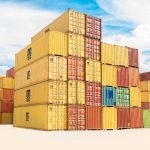
Container Ships
Container ships, the ubiquitous workhorses of modern shipping, are designed to carry standardized intermodal containers. This standardization simplifies loading, unloading, and inland transit, reducing handling costs and transit times. The efficiency of containerized shipping comes from its modularity and predictability.
Bulk Carriers
Bulk carriers are employed for the transport of unpackaged bulk cargo, such as grains, coal, ore, and cement. These vessels are designed for high-volume, low-value commodities where the cost of packaging would be prohibitive. Their efficiency lies in their ability to load and unload massive quantities of raw materials directly, minimizing labor and handling.
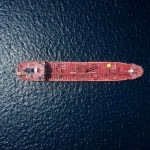
Tankers
Tankers are specialized vessels for the transport of liquid cargo, including oil, chemicals, and liquified natural gas (LNG). Their design focuses on safety and containment, with dedicated systems for cargo handling and a focus on preventing spillage. The efficiency here is in dedicated transport of large volumes of liquids that cannot be containerized.
Ro-Ro (Roll-on/Roll-off) Vessels
Ro-Ro vessels are designed to carry wheeled cargo, such as cars, trucks, and other vehicles. Cargo is driven on and off the ship, eliminating the need for cranes and significantly speeding up loading and unloading operations. This method offers a direct pathway from factory to final destination for vehicles.
The Role of Ports and Terminals
Ports are the critical nodes where cargo transitions between sea and land. Their efficiency directly impacts shipping times and costs. Well-equipped and efficiently managed ports can significantly reduce demurrage charges (fees for delays) and improve overall supply chain speed.
Port Infrastructure and Technology
Modern ports invest heavily in advanced infrastructure, including deep-water berths, efficient cranes, and automated handling systems. These investments are crucial for handling the ever-increasing size of container ships and for speeding up turnaround times. A bottleneck at a port is like a traffic jam on a vital highway, slowing everything down.
Customs and Regulatory Processes
The speed and efficiency of customs clearance and regulatory compliance at ports are paramount. Streamlined processes can prevent costly delays, while bureaucratic hurdles can create significant financial strain. Navigating these processes effectively is a key skill for efficient shipping.
In the ever-evolving landscape of logistics, understanding the dynamics of sea cargo is crucial for businesses looking to optimize their supply chains. A related article that delves into the advancements in freight forwarding and the impact of digital transformation on the industry can be found at this link. It provides valuable insights into how technology is reshaping the future of shipping and freight management, making it a must-read for anyone involved in sea cargo operations.
Strategic Approaches to Cost Optimization
Maximizing profitability in sea cargo is inextricably linked to minimizing costs. This involves meticulous planning, informed decision-making, and a proactive approach to identifying and mitigating potential expenditures.
Freight Negotiation and Carrier Selection
The selection of a shipping carrier and the negotiation of freight rates are fundamental to cost control. Different carriers offer varying service levels, pricing structures, and route options.
Benchmarking and Market Intelligence
Before entering into freight agreements, it is crucial to understand current market rates. This involves researching prevailing prices for similar routes and cargo types, a practice akin to knowing the going rate for an essential commodity before making a purchase. Market intelligence ensures you are not overpaying.
Building Strong Carrier Relationships
Developing long-term relationships with reliable shipping carriers can lead to better rates, preferential treatment, and greater flexibility. Carriers often reward consistent business with more favorable terms.
Understanding Incoterms
International Commercial Terms (Incoterms) define the responsibilities, costs, and risks associated with the international sale of goods. A clear understanding of these terms is vital for accurate cost allocation and for avoiding unexpected expenses. For instance, choosing FOB (Free On Board) shifts more responsibility and cost to the buyer compared to EXW (Ex Works).
Load Optimization and Space Utilization
Maximizing the amount of cargo packed into each container or vessel directly reduces the per-unit shipping cost. This requires thoughtful planning and efficient packing strategies.
Maximizing Container Capacity
This involves carefully planning how goods are loaded into containers, utilizing dunnage and bracing to secure items and prevent shifting. The goal is to fit as much saleable product as possible into the allocated space, like filling every nook and cranny of a suitcase to maximize its capacity.
Console Shipping and Less Than Container Load (LCL) Strategies
For smaller shipments, consolidating cargo with other shippers (console shipping) can significantly reduce costs compared to dedicated container hire. This pooling of resources allows smaller businesses to access the cost efficiencies of sea cargo.
Route Planning and Transit Time Management
The selection of optimal shipping routes and efficient transit time management directly impacts overall logistics costs and customer satisfaction.
Direct vs. Transshipment Routes
Direct routes are generally faster and less prone to delays, but may not always be the most cost-effective. Transshipment, where cargo is moved from one vessel to another at an intermediate port, can sometimes offer lower freight rates but introduces additional handling and potential delays.
Understanding Transit Time Variability
Factors such as weather, port congestion, and vessel scheduling can lead to fluctuations in transit times. Building contingency into schedules and factoring in potential delays is crucial for managing expectations and avoiding penalties.
Leveraging Technology for Efficiency
The integration of technology has revolutionized the shipping industry, offering tools and platforms that enhance visibility, streamline operations, and drive efficiency.
Supply Chain Visibility and Tracking Systems
Real-time tracking of shipments provides invaluable insights into their location and status. This visibility allows for proactive problem-solving, accurate delivery estimations, and improved inventory management. Imagine having a GPS on every package; that’s the power of supply chain visibility.
Benefits of Real-Time Tracking
- Improved Inventory Management: Accurate knowledge of shipment status allows for better forecasting and reduces the need for excessive safety stock.
- Proactive Issue Resolution: Identifying potential delays or problems early enables timely intervention, minimizing disruption.
- Enhanced Customer Service: Providing customers with accurate tracking information improves satisfaction and trust.
Digitalization of Documentation and Processes
Moving away from paper-based processes to digital platforms streamlines administrative tasks, reduces errors, and accelerates customs clearance. Electronic Bills of Lading (e-B/Ls) and digital customs declarations are prime examples.
Data Analytics for Performance Improvement
Collecting and analyzing data on shipping performance, costs, and transit times can reveal inefficiencies and identify areas for improvement. This data-driven approach allows for continuous optimization of logistics strategies.
Also visit our Facebook page.
Risk Management in Sea Cargo Operations

While sea cargo offers significant advantages, it also carries inherent risks that must be managed to protect profitability and ensure business continuity.
Cargo Insurance and Claims Management
Adequately insuring cargo against loss or damage is essential. A robust insurance policy provides a financial safety net, but efficient claims management is crucial for recovering losses swiftly.
Types of Cargo Insurance
- All-Risk Insurance: Covers a broad range of potential losses.
- Named Perils Insurance: Covers specific, named risks.
Navigational Hazards and Security Concerns
Seafaring is subject to natural hazards, such as storms and piracy. Implementing security measures and contingency plans for such events is vital.
Compliance with International Regulations
The shipping industry is governed by a complex web of international regulations regarding safety, environmental protection, and security. Non-compliance can result in severe penalties, including fines and vessel detention.
In the realm of sea cargo, understanding the role of freight forwarders is crucial for navigating the complexities of global trade. These professionals not only facilitate the transportation of goods but also provide valuable insights that can enhance efficiency and reduce costs. For a deeper dive into how freight forwarders add value in an uncertain global economy, you can explore this informative article. It highlights the various strategies employed by these experts to ensure smooth logistics operations. Check it out here.
The Future of Efficient Sea Cargo and Profitability
The shipping industry is constantly evolving, driven by technological advancements, environmental concerns, and changing global trade patterns. Embracing these changes is key to sustaining profitability.
Sustainable Shipping Practices
Increasingly, consumers and regulators are demanding more environmentally friendly shipping solutions. Investing in greener technologies, such as alternative fuels and more efficient vessel designs, can not only reduce environmental impact but also lead to long-term cost savings through reduced fuel consumption and potential carbon taxes.
Automation and Artificial Intelligence (AI)
AI and automation are set to further transform port operations and vessel management, leading to greater efficiency, reduced human error, and enhanced safety. From autonomous vessels to AI-powered route optimization, these technologies will be critical for future profitability.
Evolving Trade Routes and Geopolitics
Shifts in global trade patterns, such as the rise of new economic powers and changing geopolitical relationships, can impact shipping routes and freight rates. Agility and adaptability in logistics planning are essential to navigate these changes and maintain cost-effectiveness.
In conclusion, efficient shipping through sea cargo is a multifaceted endeavor that requires a strategic, informed, and technology-driven approach. By understanding the economics of scale, optimizing loads, leveraging technology, and effectively managing risks, businesses can transform their shipping operations from a cost center into a significant driver of profitability. The ocean, a vast expanse of opportunity, rewards those who navigate its waters with precision and foresight.




 ©2026 EXPERT CARGO INTERNATIONAL - All Rights Reserved - Powered by