

Wondering how to get your goods from point A to point B across the vast oceans without breaking the bank or losing your mind? Efficient sea transport services are your answer. It’s not just about stuffing containers onto a ship; it’s a complex, well-oiled machine that leverages economies of scale and sophisticated logistics to move everything from raw materials to finished products reliably and affordably. Let’s dive into how these services work and what makes them so essential for modern trade.
Sea transport has been around for centuries, and for good reason. It’s the most cost-effective way to move large volumes of goods over long distances, making it the undisputed champion of international trade. Think about it: a single container ship can carry as much cargo as hundreds of trucks or several cargo planes. This sheer capacity translates directly into lower per-unit shipping costs, which is why so many businesses rely on it.
Why Ships Still Rule the Waves
- Massive Capacity: As mentioned, the sheer volume that a ship can carry is unparalleled. This is the fundamental reason for its efficiency.
- Lower Fuel Consumption Per Ton-Mile: While ships use a lot of fuel overall, when you divide that by the immense weight and volume of cargo they carry, the fuel cost per unit is significantly lower than other modes.
- Reduced Infrastructure Needs (Compared to Air/Road): While ports require significant investment, the ongoing infrastructure maintenance for sea routes is essentially nil. The ocean itself is the highway.
- Environmental Advantages (Relatively): While shipping isn’t without its environmental impact, it’s generally more fuel-efficient per ton-mile than trucking or air freight, and many advancements are being made in cleaner fuels and technologies.
The Role of Shipping Companies
Shipping companies are the orchestrators of this complex dance. They own and operate the vessels, charter space on them, and manage the intricate network of routes, ports, and logistics. They are the ones who make the wheels (or rather, the propellers) turn.
Sea transport services play a crucial role in global trade, and understanding the sustainability aspects of freight forwarding is becoming increasingly important. For insights into how sustainability is shaping the logistics industry, you can read a related article on this topic at Sustainability in Freight Forwarding: A Growing Priority. This article explores the initiatives and practices that are being adopted to reduce the environmental impact of shipping and improve overall efficiency in the sector.
Packing it In: Containerization is Key
You’ve seen them – those ubiquitous metal boxes stacked high on ships, trains, and trucks. Containerization is arguably the single biggest innovation in modern shipping, and it’s the bedrock of efficient sea transport. Before containers, cargo was often loaded and unloaded piece by piece, a labor-intensive and slow process prone to damage and theft.
The Birth of the Standardized Box
- Uniformity: The standardized dimensions of shipping containers (most commonly 20-foot and 40-foot equivalents) allow for seamless transfer between ships, trains, and trucks. This intermodal capability is crucial.
- Security and Protection: Containers are designed to be secure and weather-resistant, protecting goods from damage, pilferage, and the elements during their long journey.
- Efficiency in Handling: With specialized cranes and equipment, containers can be loaded and unloaded much faster than individual cargo items. This significantly reduces port time and associated costs.
- Reduced Damage Claims: The enclosed nature of containers means less handling and therefore fewer opportunities for goods to get damaged in transit.
Types of Containers and Their Uses
- Standard Dry Van: The workhorse of container shipping, used for most general cargo.
- Refrigerated (Reefer) Containers: Essential for transporting perishable goods like food, pharmaceuticals, and certain chemicals that require temperature control. These are powered units, often with sophisticated temperature monitoring.
- Open-Top Containers: Have a removable roof, making them ideal for cargo that needs to be loaded from the top using a crane, such as oversized machinery or project cargo.
- Flat Rack Containers: Feature collapsible sides, providing a platform for oversized or unusually shaped cargo that won’t fit into a standard container.
- Tank Containers: Used for transporting liquids, powders, and gases in bulk.
Navigating the Ocean Highways: Routes and Networks
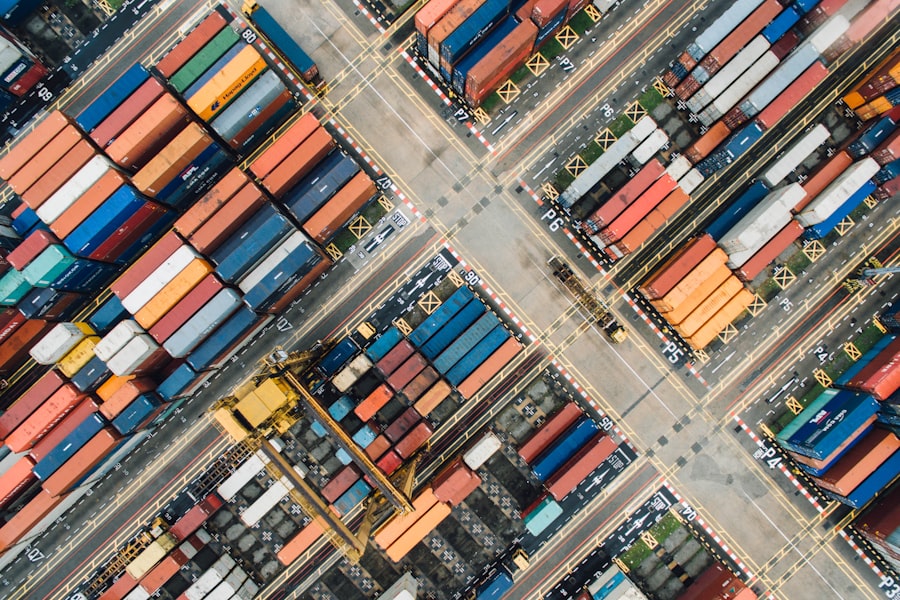
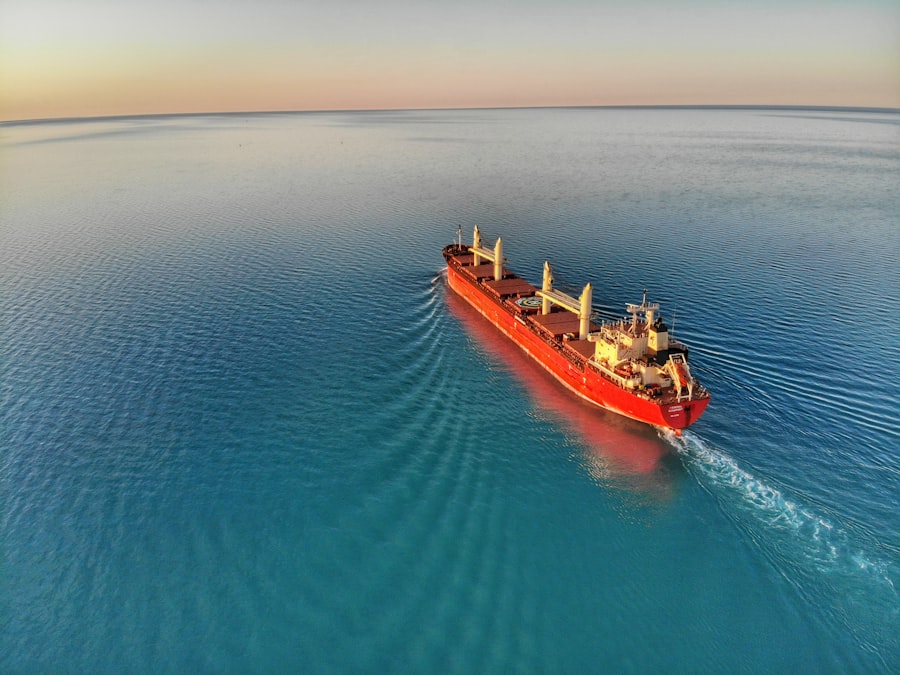
The beauty of sea transport lies in its vast network of established shipping lanes and the efficient scheduling of vessels. Shipping lines operate on fixed routes, often referred to as “lines,” with regular sailings between major ports worldwide.
The Art of Route Planning
- Hub and Spoke Systems: Many large shipping lines employ a hub-and-spoke model. Cargo is collected from various origin ports (spokes) and brought to a major transshipment hub, where it’s consolidated onto larger vessels for long-haul voyages. At the destination, the process is reversed, with cargo being fanned out to smaller destination ports. This optimizes vessel utilization and reduces the number of direct calls at every single port.
- Transshipment Ports: These are strategically located ports that act as crucial nodes in the shipping network, allowing for the efficient transfer of containers between different vessels. Think of them as major interchange stations for cargo ships.
- Direct Services vs. Transshipment: Depending on the route and volume, some shipments might go directly from origin to destination. However, for many trade lanes, especially those with smaller volumes or less direct connections, transshipment is a necessary and efficient part of the process. Understanding this can help you manage transit times and costs.
Making Schedules Work for You
- Weekly/Bi-Weekly Sailings: For major trade lanes, you can typically expect regular, scheduled sailings. This predictability is invaluable for supply chain planning.
- Transit Time: This refers to the time it takes for a vessel to travel between two ports. It’s influenced by distance, vessel speed, and the number of port calls.
- Cut-off Dates: Shipping lines have strict cut-off dates for cargo to be received at the port to make a specific sailing. Missing a cut-off means waiting for the next vessel, so meticulous planning is essential.
Also visit our Facebook page.
The Portals of Trade: Ports and Terminals
Ports are the critical gateways where goods enter and leave the maritime realm. Efficient port operations are vital to the speed and cost-effectiveness of sea transport. This involves not just the handling of ships but also the seamless integration with land-based logistics.
What Makes a Port Efficient?
- Modern Crane Technology: Automated and semi-automated cranes that can quickly lift and move containers are essential for reducing turnaround times.
- Streamlined Terminal Operations: Efficient yard management, where containers are organized and moved within the terminal, is crucial for fast loading and unloading. This often involves sophisticated terminal operating systems (TOS).
- Landside Connectivity: Easy access to rail and road networks is paramount. If trucks and trains can’t quickly get to and from the container stacks, the port becomes a bottleneck.
- Customs and Border Control Efficiency: Swift and effective customs procedures are vital to avoid delays. Many ports invest in technology and dedicated personnel to speed this up.
- 24/7 Operations: Many major ports operate around the clock to maximize throughput and minimize vessel waiting times.
The Role of Port Authorities and Terminal Operators
- Port Authority: A governing body responsible for overseeing the development, maintenance, and regulation of the port.
- Terminal Operator: A private company that manages the day-to-day operations of a specific terminal within the port, handling vessel loading/unloading and container storage.
Sea transport services play a crucial role in global trade, providing a reliable means of moving goods across vast distances. As businesses navigate the complexities of international shipping, understanding the value added by freight forwarders becomes increasingly important. For insights on how these professionals enhance logistics and mitigate risks in an uncertain global economy, you can read more in this informative article about freight forwarders. Their expertise not only streamlines operations but also ensures that shipments arrive on time and in good condition, which is essential for maintaining competitive advantage in today’s market. To explore this topic further, check out the article here: how freight forwarders add value in an uncertain global economy.
Beyond the Ship: Intermodalism and Logistics
Sea transport rarely operates in isolation. For your goods to reach their final destination, they need to connect with other modes of transport – primarily trucking and rail. This integration, known as intermodalism, is what makes the global supply chain truly efficient.
Seamless Transitions
- Trucking (Drayage): This is the short-haul movement of containers between the port and inland locations like warehouses or rail yards. Efficient drayage is critical to getting loaded containers out of the port quickly.
- Rail Transport: For longer inland journeys, rail is often a more cost-effective and environmentally friendly option than trucking. Many ports have direct rail connections within their facilities.
- Information Flow: The real magic of intermodalism happens when information flows seamlessly between the different transport providers. Tracking systems and integrated platforms allow you to see your cargo’s progress across different legs of its journey.
The Logistics Provider’s Advantage
- Consolidation of Services: Freight forwarders and logistics providers can manage the entire intermodal journey for you, coordinating with steamship lines, trucking companies, and rail operators.
- Cost Optimization: They have the expertise to choose the most cost-effective combination of transport modes for your specific needs.
- Risk Management: They can help navigate the complexities of multiple contracts, customs regulations, and potential disruptions.
Sea transport services play a crucial role in global trade, and as the industry evolves, it is essential to stay informed about the latest trends and innovations. A recent article discusses how digital transformation is reshaping freight forwarding, highlighting the importance of adapting to new technologies to enhance efficiency and reduce costs. For more insights on this topic, you can read the article on the future of freight forwarding by following this link. Staying updated on these developments can help businesses optimize their shipping strategies and improve overall logistics operations.
Making it Work for You: Choosing the Right Service
Selecting the right sea transport service is not a one-size-fits-all decision. It depends on your cargo, your budget, your timeline, and your risk tolerance.
Understanding Your Needs
- Cargo Type and Value: Is it perishable? High-value? Oversized? This will dictate the type of container and any special handling required.
- Urgency: Do you need it there next week, or can it wait a month? This will influence your choice between faster, more expensive options or slower, more economical ones.
- Budget Constraints: Sea transport is generally cheaper than air, but there are still cost variations based on transit time, carrier, and origin/destination.
- Reliability and Visibility: How important is it for you to have real-time tracking and precise arrival times?
Key Considerations When Selecting a Carrier or Service Provider
- Reputation and Track Record: Research the carrier’s history, on-time performance, and customer service reviews.
- Service Network and Port Coverage: Do they sail to the ports you need, and do they have a strong network in your origin and destination regions?
- Container Availability: Is the specific type of container you need readily available at your origin point?
- Pricing and Inclusions: Get detailed quotes and understand what is included (e.g., BAF, THC, documentation fees) and what is not. Be wary of unusually low quotes that might hide unexpected surcharges.
- Customer Support and Communication: Can you easily reach someone if you have questions or issues? Good communication is paramount in international shipping.
- Technology and Tracking: Do they offer robust online tracking and reporting tools?
The Role of Freight Forwarders and NVOCCs
- Freight Forwarders: They act as agents, arranging shipping on behalf of shippers. They don’t own ships but have deep knowledge of the market and strong relationships with carriers.
- Non-Vessel Operating Common Carriers (NVOCCs): These companies act as carriers themselves, but they don’t operate their own vessels. They buy space from actual shipping lines in bulk and resell it, often at competitive rates. They essentially function like wholesalers of shipping space.
Choosing the right sea transport service is a strategic decision that can significantly impact your business’s bottom line and operational efficiency. By understanding the components of efficient sea transport – from the massive capacity of ships and the standardization of containers to the intricate global networks and the vital role of intermodal connections – you can make informed choices that keep your goods moving smoothly and affordably across the world’s oceans.




 ©2026 EXPERT CARGO INTERNATIONAL - All Rights Reserved - Powered by