

Shipping goods by sea freight is indeed a highly cost-effective solution for many businesses, especially when dealing with large volumes or heavy items that aren’t time-sensitive. It’s generally the most economical way to move your products across continents compared to air or road for long distances. Let’s dig into why and how it works.
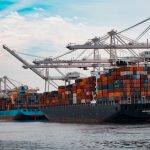
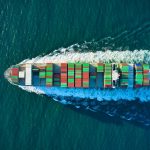
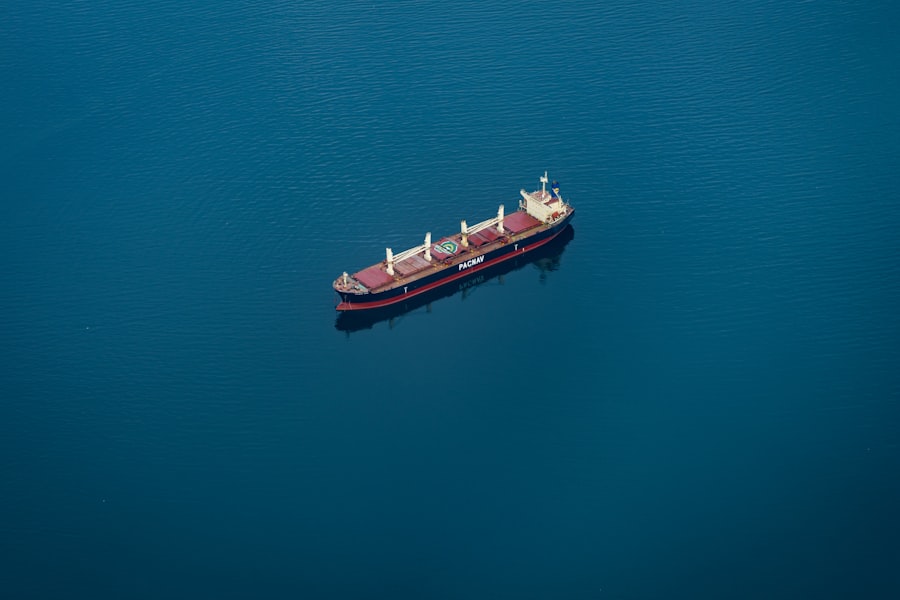
Essentially, sea freight involves transporting goods on large cargo ships across oceans and seas. These ships carry massive containers filled with products from various companies, making it an incredibly efficient way to move a lot of stuff at once. It’s not the fastest option, but for budget-conscious businesses, it often makes the most sense.
What are the main types of sea freight services?
You’ll typically encounter two main categories when shipping by sea:
Full Container Load (FCL)
This is when your goods are the only goods in a container. You essentially book the whole container, even if it’s not completely full. FCL is usually more cost-effective per unit when you have enough cargo to fill a significant portion of a container. It also tends to be faster than LCL because there’s no need for consolidation or deconsolidation with other shipments.
Less than Container Load (LCL)
If you don’t have enough cargo to fill an entire container, LCL is your go-to. Here, your goods share a container with shipments from other businesses. While it’s great for smaller volumes, it can take a bit longer due to the extra steps involved in consolidating different shipments at the origin and separating them at the destination.
What about specialized cargo?
Beyond standard containers, there are options for out-of-the-ordinary shipments:
Breakbulk Cargo
This refers to goods that are too large or heavy to fit into standard containers. Think machinery, vehicles, or project cargo. These items are loaded individually onto the ship.
Roll-on/Roll-off (RoRo)
Primarily used for vehicles (cars, trucks, buses, construction equipment), RoRo ships allow cargo to be driven directly onto and off the vessel. It’s a specialized and efficient way to transport anything on wheels.
Refrigerated Containers (Reefers)
For temperature-sensitive goods like food, pharmaceuticals, or certain chemicals, refrigerated containers maintain a controlled environment throughout the journey.
When considering the complexities of shipping goods via sea freight, it’s essential to understand how freight forwarders play a crucial role in navigating these challenges. A related article that delves into this topic is available at How Freight Forwarders Add Value in an Uncertain Global Economy. This resource provides valuable insights into the benefits of working with freight forwarders, especially in today’s unpredictable market, making it a must-read for anyone involved in international shipping.
Why Choose Sea Freight? The Cost Advantage
The primary allure of sea freight is its cost-effectiveness. When you’re moving goods across vast distances, especially between continents, it’s virtually unbeatable on price per unit compared to other modes of transport for non-urgent items.
How does sea freight save you money?
Several factors contribute to the lower cost of sea freight:
Economies of Scale
A single container ship can carry thousands of containers. This immense capacity means the cost of fuel, crew, and vessel maintenance is spread across a massive amount of cargo, significantly driving down the per-unit shipping cost. Air freight, for example, has much less carrying capacity per vessel.
Fuel Efficiency
While ships consume a lot of fuel, they do so with incredible efficiency per ton-mile when fully loaded. The sheer volume they can carry means the fuel cost per item is relatively low compared to air freight, which requires more fuel-intensive propulsion.
Less Infrastructure Overhead
While ports are complex, the “track” for sea freight is the ocean itself. Unlike roads or rail lines that require constant maintenance and construction across long stretches, the pathways for ships are naturally available.
When is sea freight not the cheapest option?
It’s important to be realistic. Sea freight isn’t always the cheapest, especially in these situations:
Small, Light Shipments
For very small, lightweight packages, express air freight or even postal services might be more cost-effective due to minimum charges for sea freight and the complexity of port handling.
Domestic or Short-Distance Shipments
For moving goods within a country or between very close neighboring countries, road or rail transport will almost always be faster and cheaper than involving a port and ship.
What to Consider Before Shipping by Sea
Before you commit to sea freight, there are some practical considerations to keep in mind to ensure a smooth and efficient process.
Lead Time is Crucial
Sea freight is a slow mode of transport. Transit times can range from a few days for short routes to several weeks or even over a month for intercontinental journeys.
Planning Ahead
You need to factor in not just the ocean transit time but also the time for consolidating goods (for LCL), customs clearance at both ends, and truck transport to and from the ports. This means planning your inventory and orders well in advance.
Supply Chain Buffer
It’s wise to build in a buffer for unexpected delays. Weather, port congestion, customs inspections, and even mechanical issues can all add time to your shipment.
Documentation and Compliance are Key
This is where things can get a bit complex, but it’s absolutely essential to get right. Incorrect documentation can lead to significant delays and penalties.
Bills of Lading (B/L)
This is the most important document in sea freight. It acts as a contract of carriage, a receipt for goods, and a document of title. Ensure all details are accurate.
Commercial Invoice and Packing List
These detail the goods being shipped, their value, and how they are packed. They are crucial for customs clearance.
Customs Declarations
You’ll need to accurately declare your goods to customs in both the origin and destination countries. This involves harmonized system (HS) codes and accurate valuation.
Certificates and Licenses
Depending on the type of goods, you might need specific certificates (e.g., phytosanitary for plants, health certificates for food) or import/export licenses.
Choosing the Right Incoterms
Incoterms (International Commercial Terms) are a set of globally recognized rules that define the responsibilities of buyers and sellers for the delivery of goods under sales contracts. They clarify who pays for what and who is responsible for the cargo at each stage of the journey.
Understanding Risk and Cost Transfer
For example, “FOB (Free On Board)” means the seller is responsible for costs and risks until the goods are loaded onto the vessel, after which the buyer takes over. “CIF (Cost, Insurance, and Freight)” means the seller pays for the cost, insurance, and freight to the named port of destination, but risk transfers to the buyer once the goods are on board. Choosing the right Incoterm impacts your overall cost and liability.
Consulting with Your Freight Forwarder
A good freight forwarder will help you navigate Incoterms and recommend the best one for your specific situation.
Also visit our Facebook page.
The Role of a Freight Forwarder

You can manage sea freight yourself, but for most businesses, working with a freight forwarder is highly recommended. They are specialists in international logistics.
What does a freight forwarder do for you?
Think of them as your personal logistics manager for international shipments. They handle a multitude of tasks:
Booking Cargo Space
They have relationships with various shipping lines and can secure the best rates and routes for your specific cargo. They consolidate LCL shipments efficiently.
Documentation Assistance
They’re experts in navigating the complex world of shipping documents, ensuring everything is accurate and compliant to avoid delays.
Customs Clearance Help
While you are ultimately responsible for your customs declarations, forwarders often have customs brokerage services or can connect you with reliable customs brokers in both origin and destination countries.
Inland Transportation
They can arrange for the truck transport of your goods from your facility to the port, and from the destination port to your final warehouse.
Warehousing and Distribution
Many freight forwarders offer warehousing services, allowing for temporary storage before or after transit, and can even help with final mile distribution.
Tracking and Communication
They provide updates on your shipment’s status and can act as a central point of contact for any issues that arise during transit.
Why not go directly to the shipping line?
While you could approach a shipping line directly, they primarily deal with booking entire containers. For LCL, or if you need help with inland transport, customs, or documentation, a freight forwarder is much more equipped to handle the end-to-end process. They also often get better rates due to their volume of business.
In the ever-evolving landscape of logistics, understanding the nuances of sea freight is crucial for businesses looking to optimize their supply chains. A related article that delves into the future of freight forwarding and the impact of digital transformation can provide valuable insights for those interested in this topic. You can explore more about these advancements in the industry by visiting this article, which highlights how technology is reshaping the way goods are transported globally.
Overcoming Potential Challenges
While cost-effective, sea freight isn’t without its potential hiccups. Knowing what to expect can help you mitigate risks.
Port Congestion and Delays
Ports can become extremely busy, leading to delays in loading, unloading, and customs processing.
Carrier Selection
Some shipping lines have more reliable schedules than others. Your freight forwarder can advise on carriers with good on-time performance.
Flexibility
Building some flexibility into your supply chain and delivery timelines is crucial. Avoid making promises that rely on the absolute minimum transit time.
Customs Issues and Inspections
Customs agencies in both the origin and destination countries can inspect shipments, which can cause delays and, if issues are found, penalties.
Accurate Documentation
The single best way to avoid customs issues is to ensure all your documentation is complete, accurate, and truthful. This includes detailed packing lists, commercial invoices, and proper HS codes.
Knowing the Rules
Be aware of any specific import regulations, prohibited items, or special duties that apply to your goods in the destination country. Your freight forwarder and customs broker can assist here.
Cargo Damage or Loss
While shipping lines take precautions, damage or loss can occur due to rough seas, improper handling, or unforeseen accidents.
Proper Packaging
Invest in robust, sea-worthy packaging. This means sturdy boxes or crates, proper internal cushioning, and waterproof wrapping if necessary. For LCL, over-packaging is often better than under-packaging, as your goods will be handled multiple times and share space with others.
Marine Insurance
This is non-negotiable. Always, always insure your cargo. Standard carrier liability is usually very limited. Marine insurance will protect you financially against damage, loss, or theft during transit. Discuss comprehensive coverage options with your freight forwarder or a specialized insurer.
When considering the environmental impact of shipping methods, it’s essential to explore sustainability in freight forwarding. A related article discusses how companies are prioritizing eco-friendly practices in their logistics operations. You can read more about this important topic by visiting sustainability in freight forwarding. This shift not only benefits the planet but also enhances the efficiency of sea freight operations.
Making Sea Freight Work for Your Business
For many businesses involved in international trade, particularly those dealing with physical goods, sea freight is an indispensable part of their strategy. It allows companies to source materials or sell products globally without incurring prohibitive transport costs.
When Sea Freight is Your Best Bet
- Large Volumes / Heavy Items: If you’re shipping palleted goods, machinery, or anything that takes up significant space or weight.
- Non-Time-Sensitive Shipments: When you have a longer lead time and can plan several weeks or months in advance.
- Cost-Cutting Measures: For businesses looking to optimize their logistics costs and improve profit margins on their products.
- Intercontinental Shipping: When moving goods between continents, sea freight is almost always the most economical choice.
Essential Takeaways for Success
- Plan Ahead: Embrace the longer lead times inherent in sea freight.
- Partner Wisely: A reliable freight forwarder is invaluable.
- Document Thoroughly: Get your paperwork right the first time.
- Insure Everything: Protect your investment with adequate marine insurance.
- Understand Incoterms: Know who is responsible for what, when.
By understanding these aspects, you can leverage sea freight effectively, making it a powerful tool for your business to expand globally while keeping a close eye on your budget. It’s a foundational element of global trade for good reason.




 ©2026 EXPERT CARGO INTERNATIONAL - All Rights Reserved - Powered by