

Navigating the complexities of shipping smaller loads across Europe doesn’t have to be a headache. The answer to efficient, cost-effective transport for your less-than-full-container-load (LCL) or less-than-truckload (LTL) shipments is groupage freight. It’s essentially a smart way to combine multiple smaller shipments from various senders into one larger consolidated load, sharing the space (and the cost) of a single truck or container. This avoids the waste of paying for empty space and significantly reduces your shipping expenses and environmental footprint.
Let’s break down what groupage really means in the European logistics landscape. Imagine you have a few pallets of goods to send from Berlin to Rome, and another company has a similar shipment. Instead of each of you paying for a dedicated truck that might be half empty, groupage allows a freight forwarder to combine your shipments, along with others heading in the same direction, into one full truckload.
How Does it Work?
The process is fairly straightforward:
- Collection: Your goods are picked up from your location.
- Consolidation: At a central hub or depot, your shipment is combined with others.
- Main Haul: The consolidated load travels to another hub closer to the final destinations.
- Deconsolidation: The larger load is broken down, and individual shipments are sorted.
- Final Delivery: Your goods are delivered to the recipient.
This model thrives on optimization and strategic planning from the freight forwarder, who acts as the orchestrator of these combined shipments.
Key Benefits for Businesses
Beyond just saving money, groupage offers several advantages:
- Cost-Effectiveness: This is the big one. You only pay for the space your goods occupy, rather than the entire vehicle.
- Reduced Environmental Impact: Fewer partially loaded trucks on the road means less fuel consumption and lower carbon emissions. This can be a boon for your company’s sustainability goals.
- Increased Flexibility: Groupage services often offer more frequent departure options than full-load shipments, as carriers are constantly consolidating new loads.
- Access to Remote Areas: Smaller, individual shipments to less accessible locations might be uneconomical by themselves. Groupage makes these routes viable.
- Simplified Logistics: The freight forwarder manages the entire consolidation and distribution process, freeing up your internal resources.
Groupage freight in Europe is an efficient solution for businesses looking to optimize their shipping costs while ensuring timely delivery. For a deeper understanding of how freight forwarders play a crucial role in navigating the complexities of logistics, especially in an uncertain global economy, you can read the insightful article on this topic. It highlights the value added by freight forwarders and their strategies to enhance supply chain efficiency. For more information, visit this article.
Navigating the European Groupage Network
Europe boasts a highly developed and interconnected logistics infrastructure, making it an ideal region for efficient groupage operations. Understanding how this network functions can help you make informed decisions.
Major Hubs and Gateways
Certain cities and regions naturally serve as crucial connection points due to their geographical location, existing infrastructure, and economic activity.
- Germany: Often considered the heart of European logistics, with major hubs in places like Frankfurt, Hamburg, and Munich. Its central location makes it a prime transit point for goods travelling east-west and north-south.
- Benelux (Belgium, Netherlands, Luxembourg): The ports of Rotterdam (Netherlands) and Antwerp (Belgium) are colossal entry and exit points for goods, connecting sea freight with road and rail networks across the continent.
- France: With its extensive road network, cities like Paris and Lyon are key distribution centers, especially for southern Europe.
- Italy: Milan and Verona act as significant hubs for distribution throughout Italy and into southeastern Europe.
- Spain: Madrid and Barcelona are critical for distribution across the Iberian Peninsula and onward to North Africa.
- Central and Eastern Europe: Cities like Warsaw (Poland) and Prague (Czech Republic) are rapidly growing as hubs, facilitating trade with the expanding economies in these regions.
These hubs are where freight forwarders conduct the crucial consolidation and deconsolidation processes, ensuring smooth transitions for goods.
The Role of Road and Rail
While air and sea freight play their part, road and rail dominate European groupage.
- Road Freight: The backbone of European groupage. An extensive network of highways allows for flexible pick-up and delivery, directly connecting origins to destinations. Road transport offers speed and door-to-door service, which is vital for time-sensitive groupage.
- Rail Freight: Increasingly important for longer distances and heavier loads, rail offers an environmentally friendly alternative to road. Specific rail corridors connect major industrial areas and ports, and cross-docking facilities at rail terminals make it easy to transfer goods to road transport for final delivery. The increasing focus on intermodal solutions – combining rail for the long haul with road for the first and last mile – is enhancing efficiency.
Understanding these networks helps you choose a forwarder with strong connections in your target regions, ensuring reliable service.
Key Considerations When Choosing a Groupage Partner
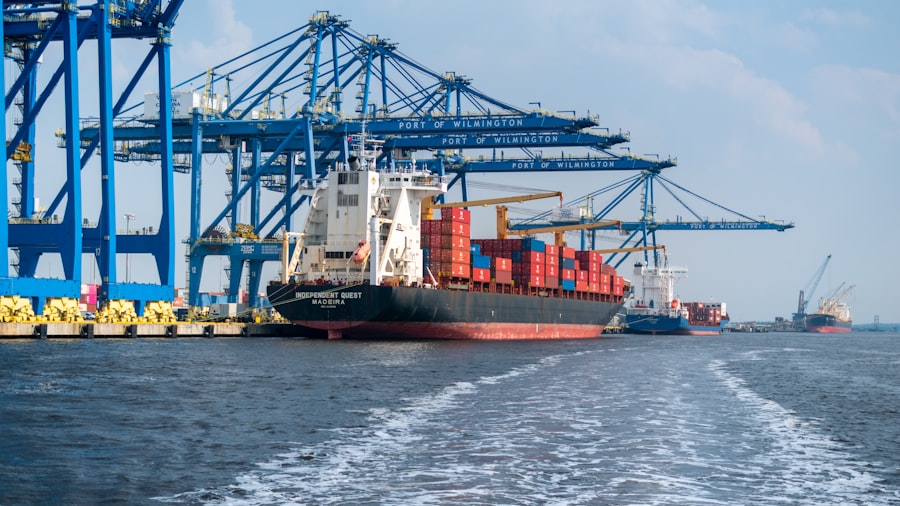
Not all freight forwarders are created equal, especially when it comes to the nuances of groupage. Selecting the right partner is crucial for a smooth operation.
Network Reach and Frequency
A strong groupage partner will have an extensive network both at origin and destination.
- Direct Routes vs. Transhipment: Inquire about their typical routes. Do they offer direct groupage lines between your specific origin and destination, or do shipments undergo multiple transhipments? Fewer transhipments generally mean faster transit times and less risk of damage or delays.
- Departure Schedules: How frequently do they consolidate and dispatch shipments to your target regions? Regular departures mean less waiting time for your goods to embark, improving overall lead times.
- Last-Mile Capability: Can they competently handle the final leg of the journey, even to more remote or specific delivery points? This includes access to smaller vehicles if needed for urban deliveries.
Technology and Tracking
In today’s logistics, visibility is non-negotiable.
- Real-time Tracking: Can you track your shipment at various stages? This includes collection, consolidation, main haul, and delivery. Good tracking systems offer peace of mind and allow for proactive communication with your customers.
- Integration Capabilities: Do they offer integrations with your existing ERP or supply chain management systems? This can automate data exchange and reduce manual effort.
- Digital Documentation: The ability to access important shipping documents (like waybills, customs declarations, and proof of delivery) digitally is a major efficiency booster.
Expertise in Customs and Regulations
Shipping across European borders, even within the EU single market, still requires adherence to various regulations. If shipping to non-EU countries like the UK, this becomes even more critical.
- Customs Clearance: Can they competently handle customs declarations and procedures for non-EU shipments? Do they have a dedicated customs team?
- Country-Specific Requirements: Certain goods or destinations may have specific import/export requirements or restrictions. A good partner will be knowledgeable about these and guide you through the process.
- Brexit Impact: For shipments involving the UK, understanding the post-Brexit customs landscape is paramount. Your forwarder should be well-versed in new procedures, tariffs, and potential border delays.
Customer Service and Communication
When things go wrong (and occasionally they do in logistics), good communication is invaluable.
- Responsive Support: Can you easily get in touch with someone who understands your shipment and can provide timely updates or solutions?
- Proactive Updates: Do they proactively inform you of any potential delays or issues, rather than you having to constantly chase them?
- Problem Resolution: How do they handle discrepancies, damages, or lost shipments? A clear and fair claims process is essential.
Also visit our Facebook page.
Optimizing Your Groupage Strategy for Success
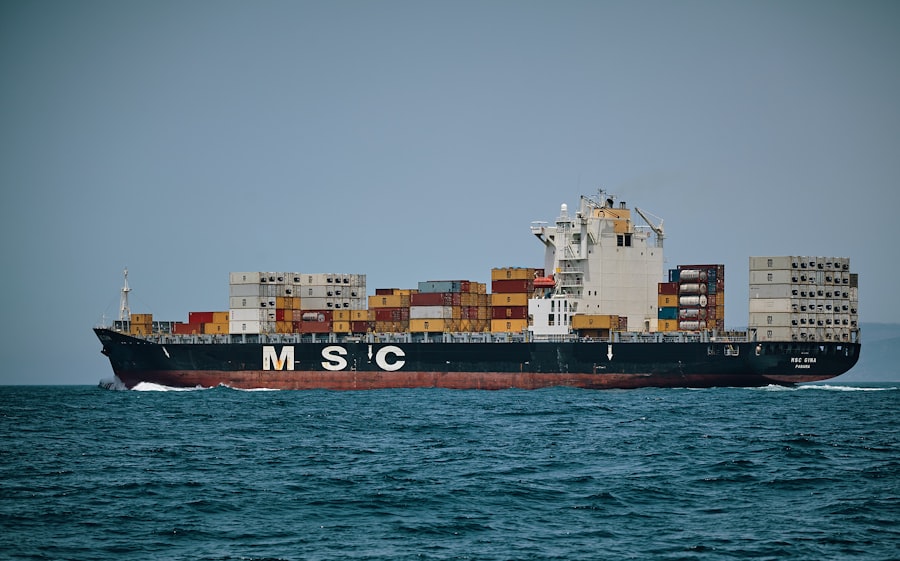
Beyond choosing the right partner, there are steps you can take to make your groupage operations even more efficient and cost-effective.
Accurate Documentation is Non-Negotiable
Mistakes in paperwork cause delays, simple as that.
- Commercial Invoice: Ensure it’s perfectly accurate, detailing goods, values, incoterms, and correct consignee information.
- Packing List: This should precisely match what’s inside each package and be easy to cross-reference.
- Proof of Origin: Important for customs, especially for preferential tariffs.
- EORI Numbers: Essential for customs declarations for companies operating within the EU or trading with the EU.
Slight discrepancies can lead to goods stopping at borders, incurring storage fees, and frustrating recipients. Double-check everything.
Proper Packaging and Labeling
This isn’t just about protecting your goods; it’s about making them easily identifiable and handleable.
- Robust Packaging: Remember that groupage involves multiple handling points. Your packaging needs to withstand potential bumps and shifts. Use sturdy boxes, appropriate void fill, and secure strapping.
- Clear Labeling: Every single piece of your shipment should be clearly labeled with the consignee’s full address, contact details, and your reference numbers. Barcodes compatible with the forwarder’s system are a huge plus.
- Palletizing: Whenever possible, palletize your goods. This makes them easier and safer to move with forklifts, reduces manual handling, and protects them from bottom damage. Ensure pallets are stable and shrink-wrapped.
- Hazardous Goods: If your goods are hazardous, they must be correctly classified, packaged, labeled, and accompanied by the necessary documentation (e.g., Dangerous Goods Declaration). Failing to do so is a serious safety and legal breach.
Understanding Incoterms
Incoterms define the responsibilities of buyers and sellers for the delivery of goods under sales contracts. They are critical for groupage.
- Clarity on Costs and Risks: Incoterms clearly state who is responsible for the cost of transport, insurance, and duties at various points in the journey, as well as when the risk of loss or damage shifts from seller to buyer.
- Common Incoterms for Groupage:
- EXW (Ex Works): The seller makes goods available at their premises, and the buyer assumes all costs and risks from that point.
- FCA (Free Carrier): The seller delivers goods to a carrier or another person nominated by the buyer at the seller’s premises or another named place.
- DPU (Delivered at Place Unloaded): The seller delivers goods, unloaded, at a named place of destination. The seller bears all risks involved in bringing goods to and unloading them at the named place of destination.
- DDP (Delivered Duty Paid): The seller is responsible for delivering the goods to the named place of the buyer’s country and pays all costs, including import duties and taxes.
Conflicting interpretations of Incoterms can lead to disputes and unexpected costs, so ensure both parties are clear on which version is being used.
Volume and Weight Considerations
Groupage costs are typically calculated based on either the actual weight or the volumetric weight, whichever is greater.
- Volumetric Weight: This is a calculation of a package’s density. If a packet is large but lightweight for its size, its volumetric weight might be greater than its actual weight. The formula varies by carrier but often involves (Length x Width x Height) / X (where X is a dimensional factor, e.g., 5000 or 6000 cm³/kg).
- Maximizing Space Efficiency: Try to pack your goods as compactly as possible without compromising protection. This can help reduce your volumetric weight and thus your costs. Understanding how your forwarder calculates this is vital for accurate quoting.
In the ever-evolving landscape of logistics, understanding the nuances of groupage freight in Europe is essential for businesses looking to optimize their shipping processes. A recent article discusses the importance of sustainability in freight forwarding, highlighting how companies can reduce their carbon footprint while improving efficiency. For more insights on this topic, you can read the article on sustainability in freight forwarding here. This connection between sustainable practices and groupage freight can significantly impact the future of transportation in Europe.
Future Trends in European Groupage
The logistics landscape is always evolving, and groupage is no exception. Staying informed about these trends can help you future-proof your shipping strategy.
Digitalization and AI
Technology is rapidly transforming how groupage operations are managed.
- Automated Booking and Quoting: Online platforms that allow for instant quotes and bookings, streamlining the initial stages of the shipping process.
- AI-driven Route Optimization: Artificial intelligence can analyze vast amounts of data to dynamically optimize routes, predict transit times more accurately, and identify the most efficient consolidation points, further reducing costs and environmental impact.
- Predictive Analytics: AI can also help predict potential delays or disruptions, allowing forwarders to proactively reroute or inform customers.
Sustainability and Green Logistics
The pressure to reduce carbon emissions is growing, and logistics plays a significant role.
- Intermodal Solutions: The increased adoption of rail and short-sea shipping for the main haul, combined with road for the first and last mile, is a key focus.
- Electric Vehicles (EVs): As battery technology improves, we’ll see more electric trucks used for urban last-mile groupage deliveries.
- Carbon Reporting: Forwarders are increasingly offering tools to calculate and report on the carbon footprint of individual shipments, allowing businesses to make more environmentally conscious choices and meet their own sustainability targets.
E-commerce Expansion
The boom in online retail continues to drive demand for efficient, small-package logistics.
- B2C Groupage: Traditional groupage was often B2B, but now many forwarders are adapting their services to handle direct-to-consumer shipments across borders, often relying on sophisticated sorting and delivery networks.
- Returns Logistics: As e-commerce grows, so does the volume of returns. Groupage offers an efficient way to consolidate returned items for transport back to sellers or distribution centers.
By embracing groupage freight solutions, businesses can unlock significant efficiencies and cost savings when shipping smaller loads across Europe. It’s about being strategic, informed, and partnering with the right experts who can navigate this dynamic and complex environment on your behalf.




 ©2026 EXPERT CARGO INTERNATIONAL - All Rights Reserved - Powered by