

When it comes to moving general cargo efficiently, the short answer is it boils down to smart planning, choosing the right mode of transport for your specific goods, and leveraging technology. It’s not about a single magic bullet, but rather a combination of optimized processes that minimize wasted time, resources, and, ultimately, money. Think of it as a well-oiled machine where every part plays a crucial role in getting your goods from point A to point B as smoothly as possible. This article will delve into the practicalities of achieving that efficiency, cutting through the fluff and focusing on actionable insights.
Before you even think about how to move something, you need to understand what you’re moving. This isn’t just about weight and dimensions; it’s about the characteristics that will impact its journey.
What is “General Cargo” Anyway?
General cargo is essentially anything that isn’t bulk (like oil or grain) or specialized (like oversized equipment). It’s the vast majority of goods we see moved daily: packaged products, palletized items, boxed goods, machinery components, and so on. Its diversity is what makes optimizing its transport both challenging and rewarding.
Key Cargo Characteristics to Consider
- Fragility: Delicate items require more careful handling, specialized packaging, and potentially different transport methods to prevent damage. This directly impacts packaging costs and potential liability.
- Perishability: Food, pharmaceuticals, and certain chemicals have strict temperature and time constraints. This dictates refrigeration needs and rapid transit, often at a higher cost.
- Hazardous Nature: Dangerous goods (flammable liquids, corrosives, explosives) come with stringent regulations for packaging, labeling, documentation, and carrier selection. Ignoring these can lead to severe fines and safety risks.
- Value: High-value goods might warrant enhanced security measures, specialized insurance, and more direct shipping routes to minimize exposure to theft or loss.
- Dimensions & Weight: Oversize or overweight items often require specialized equipment, permits, and routes, increasing complexity and cost. Standard dimensions are always easier to handle.
- Stackability & Durability: Can your items be stacked without damage? Are they robust enough to withstand typical transport vibrations and minor impacts? This affects how effectively space can be utilized.
By thoroughly assessing these characteristics, you can make informed decisions about packaging, handling, insurance, and the most suitable transportation modes, laying the groundwork for an efficient journey.
In the realm of general cargo transport, sustainability has become an increasingly important focus for companies looking to optimize their operations while minimizing their environmental impact. A related article that delves into this topic is titled “Sustainability in Freight Forwarding: A Growing Priority,” which explores how the freight forwarding industry is adapting to meet sustainability goals. For more insights on this critical issue, you can read the article here: Sustainability in Freight Forwarding: A Growing Priority.
Choosing the Right Transport Mode: A Multimodal Approach
There’s no single “best” transport mode; it’s about selecting the most appropriate one (or mix of several) for your situation, balancing speed, cost, and capacity.
Road Freight: Flexibility and Door-to-Door Service
Road transport is often the backbone of general cargo movement due to its flexibility and ability to offer door-to-door service.
- Full Truckload (FTL): When you have enough cargo to fill an entire truck, FTL is often the most cost-effective and fastest road option. You get dedicated space, and there are fewer stops, reducing transit time and handling.
- Less Than Truckload (LTL): For smaller shipments that don’t fill a truck, LTL allows you to share space with other shippers. While more economical than FTL for smaller volumes, it typically involves more stops and handling, potentially increasing transit time and the risk of damage. Careful packaging is paramount here.
- Intermodal Road: This involves using trucks for the initial and final legs of a journey, connecting to other modes like rail or sea. It leverages roads’ flexibility for local pick-up/delivery while benefiting from the efficiencies of other modes for long-haul.
The strength of road freight lies in its adaptability and reach, making it indispensable for local and regional distribution, and crucial for connecting various parts of a multimodal chain.
Rail Freight: Capacity and Cost-Effectiveness for Long Haul
Rail freight excels at moving large volumes of general cargo over long distances, offering significant cost and environmental advantages over road for certain routes.
- Containerized Rail: Standardized shipping containers are easily transferred between railcars, trucks, and ships, making rail a vital component of intermodal transport. This reduces handling time and improves security.
- Bulk Rail: While less common for diverse general cargo, certain high-volume, uniform goods (like some building materials or industrial components) can be moved efficiently in specialized railcars.
The key drawback of rail is its fixed infrastructure, meaning it can’t offer door-to-door service directly. It relies on road transport for the “first and last mile.”
Sea Freight: Global Reach and Economy for Bulk Volumes
For international shipments of general cargo, especially those with less time sensitivity and large volumes, sea freight is usually the most economical option.
- Full Container Load (FCL): Like FTL, if your cargo fills an entire standard shipping container (20ft or 40ft), FCL offers dedicated space and is generally more cost-effective per unit than LCL.
- Less Than Container Load (LCL): Similar to LTL, LCL allows multiple shippers to share space within a container. While more economical for smaller international shipments, it involves consolidation and deconsolidation processes, which add transit time and handling.
- Roll-on/Roll-off (RoRo): Primarily for vehicles or wheeled cargo, RoRo ships allow goods to be driven on and off, simplifying loading and unloading.
The main trade-off with sea freight is speed. Transit times are considerably longer than air freight, but the cost savings for bulk and non-urgent shipments are substantial.
Air Freight: Speed for Time-Sensitive Goods
When speed is the absolute priority, air freight is the undisputed champion. It’s often chosen for high-value, perishable, or urgently needed general cargo.
- Express Air Cargo: Often linked to integrated courier services, this provides extremely rapid, door-to-door delivery globally, usually for smaller, lighter packages.
- Standard Air Cargo: For larger shipments that still require speed but might not need express service, standard air cargo offers a balance. It’s still significantly faster than sea but more economical than express.
The major disadvantage of air freight is its cost, which is significantly higher than other modes per unit of weight or volume. It also has limitations on the size and weight of individual packages.
Optimizing Packaging and Unitization: Protecting and Maximizing Space
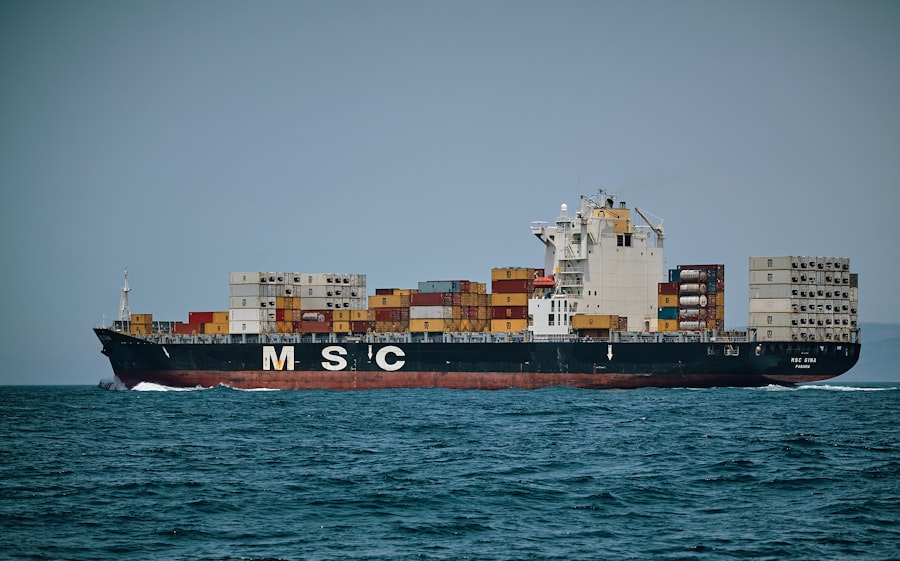
Smart packaging isn’t just about protecting your goods; it’s about making them easier and more efficient to transport. Poor packaging leads to damage, wasted space, and increased costs.
The Role of Packaging in Efficiency
Good packaging should achieve several goals simultaneously:
- Protection: Shielding the product from impacts, vibrations, moisture, and temperature fluctuations during transit. This reduces returns, claims, and reputational damage.
- Space Optimization: Designing packaging that fits snugly into containers, pallets, or truck beds, minimizing empty space (which you still pay for). Modular packaging can be highly effective here.
- Ease of Handling: Packaging that can be easily lifted, stacked, and moved by forklifts, pallet jacks, or automated systems reduces manual labor and speeds up loading/unloading.
- Information Conveyance: Clearly marked labels, barcodes, and handling instructions are essential for proper identification and treatment throughout the supply chain.
Unitization for Streamlined Handling
Unitization involves combining individual packages into larger, more manageable units.
- Palletization: This is the most common form of unitization. Stacking boxes onto pallets allows forklifts to move many items at once, drastically speeding up loading, unloading, and storage. Consistent pallet dimensions are key for intermodal efficiency.
- Crates and Skids: For heavier or irregularly shaped items, custom crates or skids provide protection and create a stable base for handling.
- Shrink-wrapping/Strapping: Securing palletized or crated loads with shrink wrap or strapping prevents shifting during transit, further protecting the goods and maintaining load integrity.
Investing in robust and well-designed packaging often pays for itself by reducing damage, facilitating quicker handling, and maximizing freight space utilization.
Also visit our Facebook page.
Leveraging Technology and Data Analytics: The Smart Approach
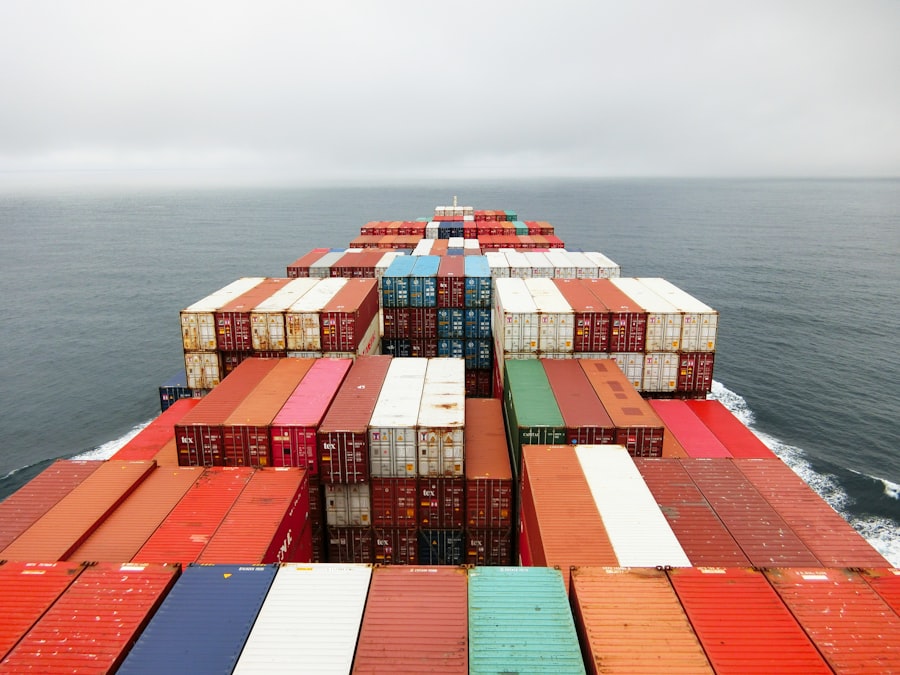
In an increasingly complex logistics landscape, technology isn’t just a convenience; it’s a necessity for efficient general cargo transport.
Transportation Management Systems (TMS)
A TMS is a software platform designed to manage and optimize your transportation operations.
- Route Optimization: TMS can analyze various factors (traffic, driver availability, delivery windows) to plan the most efficient routes, reducing fuel consumption and transit times.
- Carrier Selection & Management: It helps identify the best carriers based on service level, cost, and availability, and facilitates communication and booking.
- Freight Audit & Payment: Streamlines the process of auditing freight bills, ensuring accuracy and simplifying payment.
- Load Planning: Optimizes how cargo is loaded onto trucks or containers, maximizing space utilization and ensuring weight distribution.
By centralizing transportation data and automating tasks, a TMS provides visibility and control, leading to better decision-making and cost savings.
Real-Time Tracking and Visibility
Knowing where your cargo is at any given moment is invaluable.
- GPS Tracking: For road and rail, GPS devices provide precise location data, allowing for proactive issue resolution and accurate ETAs.
- IoT Sensors: Beyond location, sensors can monitor environmental conditions (temperature, humidity, shock) within a container, crucial for sensitive goods.
- Electronic Data Interchange (EDI): Standardized electronic communication between different parties (shippers, carriers, customs) speeds up information exchange and reduces manual errors.
Real-time visibility enhances security, improves customer service through proactive updates, and allows for agile responses to unforeseen delays or challenges.
Predictive Analytics and AI
More advanced technologies are now entering the logistics space, offering even greater efficiency.
- Demand Forecasting: AI can analyze historical data, seasonality, and external factors to predict future shipping volumes, helping businesses plan capacity and resources more effectively.
- Dynamic Pricing: AI can help carriers optimize pricing based on real-time demand, available capacity, and market conditions.
- Predictive Maintenance: For vehicle fleets, AI can forecast maintenance needs, reducing unexpected breakdowns and ensuring vehicles are available when needed.
These technologies move beyond reactive management to proactive optimization, spotting trends and potential issues before they become major problems.
In the realm of general cargo transport, understanding the role of freight forwarders is crucial for navigating the complexities of global logistics. A related article discusses how these professionals add significant value in an uncertain global economy, highlighting their expertise in managing supply chain challenges. For more insights on this topic, you can read the article here. Their ability to adapt and provide solutions can greatly enhance the efficiency of cargo transport operations.
Streamlining Documentation and Compliance: Minimizing Delays
Paperwork might seem like a minor detail, but incorrect or incomplete documentation is a leading cause of delays, fines, and even cargo confiscation, especially in international shipping.
The Importance of Accurate Documentation
Every shipment requires a trail of paperwork – whether physical or digital – to ensure it moves smoothly through the various checkpoints.
- Bill of Lading (BOL)/Air Waybill (AWB): The primary contract between the shipper and carrier, detailing the goods, destination, and terms of carriage. Errors here can cause major confusion.
- Commercial Invoice & Packing List: Essential for customs clearance, providing details on the goods’ value, quantity, and packaging. These must be precise.
- Customs Declarations: Required for international shipments, these declare the contents and value of the cargo for duty and tax assessment.
- Certificates of Origin: Proves where the goods were manufactured, which can impact duties and trade agreements.
- Dangerous Goods Declarations: Mandatory for hazardous materials, detailing their classification, handling requirements, and emergency procedures.
Maintaining accurate, consistent, and easily accessible documentation is crucial for avoiding costly delays and ensuring compliance with regulations.
Digitalization of Documents and Processes
Moving away from paper and towards digital documentation is a significant step towards efficiency.
- Electronic Filing: Submitting documents electronically to customs and carriers reduces processing time and minimizes errors associated with manual data entry.
- Blockchain Technology: While still nascent in logistics, blockchain offers the potential for secure, transparent, and immutable records of transactions and movements, further streamlining compliance and reducing fraud.
- Integrated Platforms: Using platforms that connect shippers, carriers, and customs brokers allows for seamless sharing of information, reducing back-and-forth communication and potential misunderstandings.
By embracing digital solutions for documentation, businesses can accelerate their shipping processes, reduce administrative overhead, and enhance overall compliance.
Efficient general cargo transport isn’t about cutting corners; it’s about smart, thoughtful execution at every stage. From understanding the nuances of your cargo and strategically selecting transport modes, to optimizing packaging, adopting advanced technologies, and meticulously managing documentation, each element contributes to a smoother, faster, and more cost-effective supply chain. It’s a continuous process of evaluation and improvement, always looking for ways to refine processes and leverage new tools to keep goods moving efficiently in a dynamic global market.




 ©2026 EXPERT CARGO INTERNATIONAL - All Rights Reserved - Powered by