

Rail cargo services, often considered a foundational component of global logistics, are undergoing significant evolution. This transformation is driven by technological advancements, environmental pressures, and the increasing demand for optimized supply chains. The concept of “efficiency” in this context encompasses not only speed and cost but also reliability, sustainability, and integration within multimodal transport networks. This article examines the current state and future trajectories of efficient rail freight, outlining key innovations and the challenges that remain.
Rail transport has long been recognized for its capacity to move large volumes of goods over long distances with relatively low energy consumption per tonne-kilometer. These inherent advantages are becoming increasingly critical in a world grappling with climate change and rising fuel costs.
Economic and Environmental Imperatives
The economic benefits of rail freight are multifaceted. For bulk commodities, such as minerals, agricultural products, and raw materials, rail remains the most cost-effective option due to its ability to haul massive loads. This efficiency translates into lower transportation costs for businesses, which can then be reflected in consumer prices.
Environmentally, rail presents a compelling alternative to road transport. A single freight train can, in many instances, replace hundreds of trucks, significantly reducing emissions of greenhouse gases, nitrogen oxides, and particulate matter. The carbon footprint of rail per tonne-kilometer is demonstrably lower than that of road transport, making it a crucial tool in the decarbonization of supply chains. As regulatory pressures intensify and corporate sustainability goals become more stringent, the environmental imperative for shifting freight from road to rail will only grow.
Capacity and Congestion Relief
Urbanization and global trade have led to increased pressure on road infrastructure, resulting in congestion, delays, and higher operating costs for trucking companies. Rail offers a solution to this burgeoning problem. By leveraging existing rail networks and expanding capacity where needed, freight trains can alleviate congestion on highways, particularly in densely populated corridors. This capacity benefit extends beyond trunk lines to intermodal hubs, where goods are transferred between rail and other modes.
Rail cargo services are increasingly becoming a vital component of the logistics industry, especially as companies seek more sustainable and efficient transportation methods. A related article that delves into the broader context of freight forwarding and the impact of digital transformation on logistics is available at this link: The Future of Freight Forwarding: Embracing Digital Transformation. This article explores how technology is reshaping the freight forwarding landscape, which is closely tied to the evolution of rail cargo services.
Technological Advancements Driving Efficiency
The pursuit of efficiency in rail cargo is intrinsically linked to the adoption of new technologies. These innovations are transforming every aspect of rail operations, from wagon design to network management.
Digitalization and Automation
The digitalization of rail freight operations is a cornerstone of modern efficiency. This includes:
- Real-time tracking and visibility: GPS and IoT sensors embedded in wagons and containers provide continuous data on location, temperature, humidity, and even shock events. This real-time information allows shippers and logistics providers to monitor their cargo’s journey, predict arrival times with greater accuracy, and proactively address potential issues. This higher level of transparency is akin to illuminating a previously opaque journey, providing clarity for all stakeholders.
- Predictive maintenance: Data analytics, combined with sensor technology, enables predictive maintenance regimes for rolling stock and infrastructure. By identifying potential failures before they occur, railroads can schedule maintenance activities more strategically, minimizing unexpected breakdowns and service disruptions. This proactive approach ensures assets are performing optimally and minimizes costly downtime.
- Automated yard operations: The automation of shunting, coupling, and uncoupling processes in rail yards can significantly reduce the time required for cargo handling. Robotic systems and automated guided vehicles (AGVs) are being deployed to streamline these labor-intensive tasks, improving throughput and reducing the risk of human error. Think of it as a finely choreographed dance, where each movement is precise and optimized for speed and safety.
- Blockchain technology: While still in nascent stages for rail freight, blockchain holds potential for enhancing data security, transparency, and traceability across the entire supply chain. It could create an immutable record of each step in a cargo’s journey, simplifying documentation and reducing fraud.
Advanced Signaling and Train Control Systems
Modern rail networks are increasingly reliant on advanced signaling and train control systems to maximize capacity and safety.
- European Rail Traffic Management System (ERTMS): ERTMS is a standardized European system designed to replace disparate national signaling systems. It integrates automatic train protection (ATP) and GSM-R telecommunications, allowing for higher train densities and interoperability across borders. This harmonization is crucial for the seamless flow of international rail freight.
- Positive Train Control (PTC): In North America, PTC systems are designed to prevent train-to-train collisions, over-speed derailments, and unauthorized incursions into work zones. By continuously monitoring train movements and enforcing speed limits, PTC enhances safety and allows for more precise train scheduling.
- Dynamic train scheduling: Sophisticated algorithms are now capable of analyzing real-time network conditions, including congestion, track availability, and train priority, to dynamically adjust train schedules. This optimization ensures that trains are moving efficiently, minimizing delays and maximizing overall network throughput.
Interoperability and Multimodal Integration
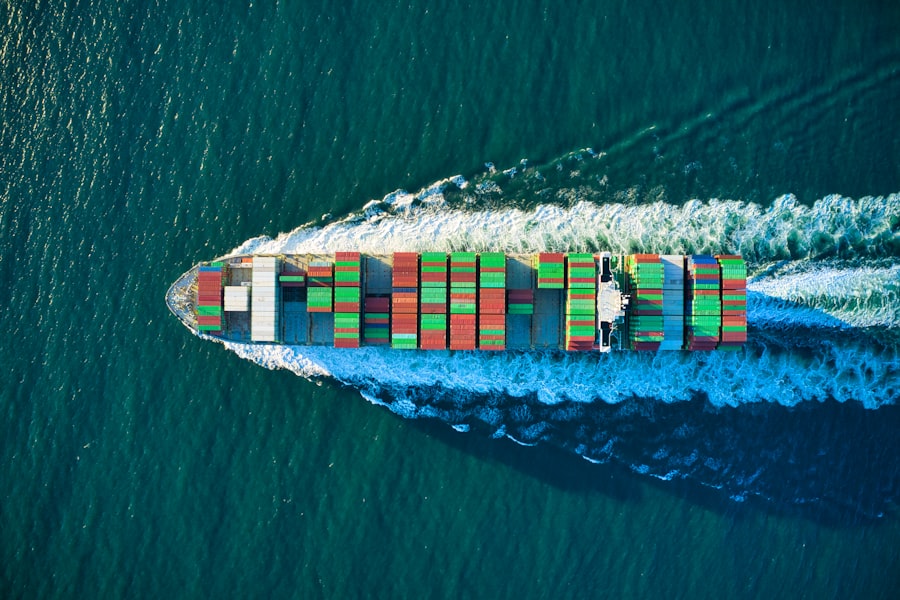
For rail cargo to truly flourish, it must be seamlessly integrated into broader multimodal logistics chains. This requires addressing issues of interoperability, standardization, and efficient transfer between different transport modes.
Standardized Loading Units and Interfaces
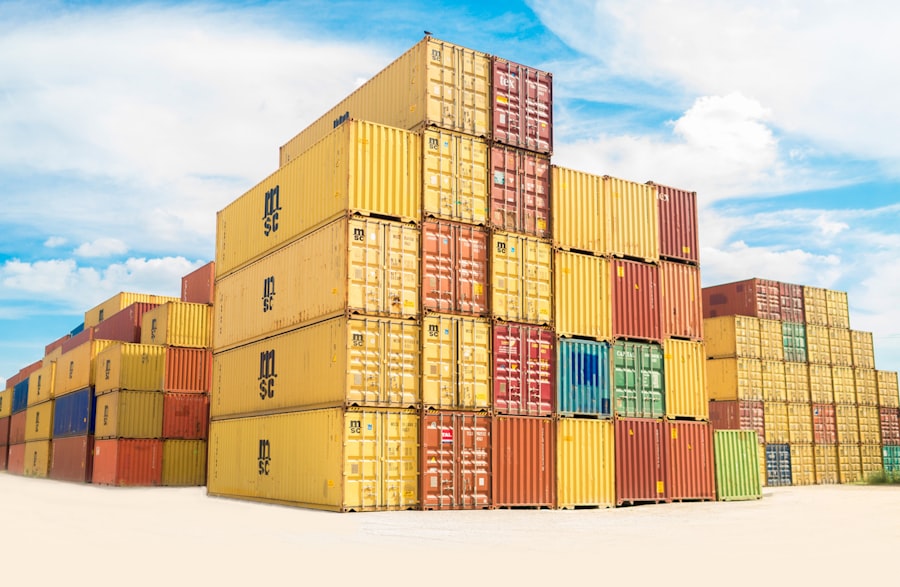
The widespread adoption of standardized shipping containers has been a game-changer for intermodal transport. These containers act as universal building blocks, allowing cargo to be transferred effortlessly between ships, trains, and trucks. Developments include:
- Intermodal terminals: State-of-the-art intermodal terminals are designed for rapid and efficient transshipment of containers. They utilize advanced cranes, automated gates, and sophisticated software to minimize dwell times and optimize yard management. These terminals are the crucial bridges connecting rail to the other modes of transport.
- Digitized documentation: Electronic manifests, bills of lading, and customs declarations streamline the administrative processes associated with intermodal transfers, reducing paper-based delays and human error.
Cross-Border Facilitation and Harmonization
International rail freight faces unique challenges related to differing national regulations, customs procedures, and technical standards. Addressing these issues is paramount for fostering international rail corridors.
- Harmonized regulations: Efforts to standardize operating procedures, safety requirements, and technical specifications across national borders are essential for reducing friction and accelerating cross-border movements.
- Digital customs clearance: Implementing digital customs platforms and data exchange systems can significantly expedite border crossings, reducing bottlenecks and administrative burdens. This is analogous to removing a series of complex locks from a gate, allowing for smoother passage.
- International rail corridors: The development of dedicated international rail freight corridors, often supported by multilateral agreements, aims to prioritize freight trains and streamline operations along key trade routes.
Also visit our Facebook page at Also visit our Facebook page..
Sustainability and “Green” Rail Freight
The environmental benefits of rail freight are a significant driver of its future growth. However, the industry is also actively pursuing further enhancements to its sustainability profile.
Electrification and Alternative Propulsion
While many rail networks are already electrified, extending electrification to more routes and improving the efficiency of existing systems remains a priority.
- Battery-electric and hydrogen trains: Beyond traditional electrification, the development of battery-electric and hydrogen fuel cell trains offers solutions for non-electrified lines, providing zero-emission alternatives to diesel locomotives. These innovations are akin to opening new pathways for clean energy, extending the reach of sustainable transport.
- Hybrid locomotives: Integrating diesel engines with electric power or battery storage can optimize fuel consumption and reduce emissions, particularly in shunting operations or on routes with varying power supply.
Optimized Train Operations and Energy Management
Even with existing technologies, there is scope for improving energy efficiency through intelligent operation.
- Eco-driving techniques: Training locomotive engineers in eco-driving techniques, such as optimizing acceleration, deceleration, and coasting, can significantly reduce fuel consumption.
- Train length and weight optimization: Maximizing train length and weight within safety and infrastructure limits allows for the most efficient use of locomotive power and reduces the “per tonne” energy consumption.
- Regenerative braking: Utilizing regenerative braking systems, which convert kinetic energy back into electricity when a train slows down, can further reduce energy waste.
As the demand for efficient and sustainable logistics solutions continues to rise, rail cargo services are becoming increasingly vital in the freight forwarding industry. A recent article discusses the importance of sustainability in freight forwarding and how it is shaping the future of transportation. For more insights on this topic, you can read about it in the article on sustainability in freight forwarding. This growing priority not only enhances operational efficiency but also contributes to reducing the carbon footprint associated with traditional shipping methods.
Challenges and Future Outlook
Despite the promising advancements, the rail cargo sector faces several challenges that must be addressed to fully realize its potential.
Infrastructure Investment and Maintenance
Many rail networks, particularly in older industrial regions, require significant investment in modernization, capacity expansion, and ongoing maintenance. This includes upgrading tracks, bridges, tunnels, and signaling systems. Securing adequate and sustained funding for these projects is a continuous hurdle.
Labor Shortages and Workforce Development
Like many industries, rail freight is grappling with an aging workforce and the need to attract new talent. Addressing labor shortages for locomotive engineers, maintenance personnel, and terminal operators is crucial. This also involves equipping the workforce with the skills needed to operate and maintain increasingly sophisticated digital and automated systems.
Regulatory and Policy Support
Consistent and supportive government policies are essential for promoting rail freight. This includes:
- Fair competition with road transport: Ensuring that road transport accurately reflects its full external costs (e.g., carbon emissions, infrastructure wear and tear) can create a more level playing field for rail.
- Investment incentives: Providing financial incentives for businesses to shift freight from road to rail can accelerate the transition.
- Streamlined planning and permitting: Reducing bureaucratic hurdles for rail infrastructure projects can expedite development.
Public Perception and Adaptability
While rail freight offers numerous advantages, it sometimes faces public perception issues related to noise, vibrations, and land use for infrastructure. The industry must effectively communicate its benefits and adapt to changing societal expectations. Furthermore, the ability to adapt quickly to evolving supply chain demands and unexpected disruptions (e.g., pandemics, geopolitical events) will be a critical differentiator.
The future of freight transport is increasingly intertwined with the efficiency and reliability of rail cargo services. As global supply chains become more complex and the imperative for sustainability grows, rail freight is poised to take on an even more prominent role. By embracing technological innovation, fostering greater interoperability, and receiving continued investment and policy support, rail can truly become the backbone of tomorrow’s logistics networks, a robust and predictable artery in the global circulatory system of goods.




 ©2026 EXPERT CARGO INTERNATIONAL - All Rights Reserved - Powered by