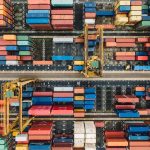


The Significance of Effective Sea Transportation Effective sea transportation is essential to international trade and business. By facilitating the transportation of goods over great distances, it links producers & consumers worldwide. The shipping sector is crucial to the global economy since it transports about 90% of the world’s goods by volume.
Key Takeaways
- Efficient sea transportation is crucial for global trade and economic growth.
- Advances in marine technology improve fuel efficiency and reduce environmental impact.
- Automation, robotics, and enhanced navigation systems boost safety and operational efficiency.
- Streamlined shipping routes and maximized cargo capacity optimize logistics and reduce costs.
- International regulations and future innovations shape the sustainable development of sea transportation.
Trade costs, delivery times, and overall economic growth are all directly impacted by the effectiveness of maritime transportation. The need for efficient and successful maritime logistics has never been greater as economies grow more interconnected. Also, effective maritime transportation helps ensure that global supply chains are sustainable.
Sea transportation plays a crucial role in global trade, and its sustainability has become an increasingly important topic in recent years. For a deeper understanding of how sustainability is being prioritized in the logistics sector, you can read a related article that discusses the growing emphasis on eco-friendly practices in freight forwarding. This insightful piece can be found here: Sustainability in Freight Forwarding: A Growing Priority.
Companies can minimize waste & shorten transit times by streamlining shipping procedures, which is essential in a time when environmental concerns are of utmost importance. Fast and dependable freight transportation boosts competitiveness & facilitates the prompt delivery of necessities like food & medical supplies. Therefore, the significance of effective maritime transportation goes beyond economic considerations; it is essential to ensuring that societies run smoothly and that resources are distributed efficiently. Developments in Marine Technology Over the past few decades, the maritime industry has seen tremendous technological advancements that have completely changed the way goods are transported across oceans.
Shipping has been transformed by innovations like containerization, which enable standardized cargo handling, increasing efficiency and cutting down on loading and unloading times. Also, shipping companies are now able to transport larger quantities of goods at lower costs per unit thanks to the development of larger and more sophisticated vessels. These developments have increased operational effectiveness and aided in the expansion of global trade in general. Also, new technologies like the Internet of Things (IoT) & artificial intelligence (AI) are starting to be crucial to marine operations. Better decision-making and increased operational efficiency are made possible by these technologies, which enable real-time monitoring of ships, cargo conditions, and environmental variables. For example, shipping companies can reduce downtime and increase reliability by using predictive analytics to anticipate maintenance needs.
As these technologies advance, they have the potential to further expand the maritime sector’s capabilities, increasing the effectiveness and responsiveness of maritime transportation to consumer demands. Fuel Efficiency & Environmental Impact: Since fuel efficiency has a direct impact on both operational costs and environmental sustainability, it is a major concern in the maritime sector. Because the shipping industry contributes significantly to greenhouse gas emissions worldwide, calls have been made for more fuel-efficient procedures and technologies. To lower fuel consumption & emissions, innovations in engine design, hull optimization, and alternative fuels are being investigated. For instance, a lot of shipping companies are spending money on fuel-efficient engines that still meet performance requirements.
Sea transportation plays a crucial role in global trade, facilitating the movement of goods across vast distances. In this context, understanding how freight forwarders operate can provide valuable insights into the efficiency and reliability of shipping processes. For a deeper exploration of this topic, you can read an insightful article that discusses how freight forwarders add value in an uncertain global economy. This resource highlights the importance of logistics management and the strategies employed to navigate challenges in the shipping industry. To learn more, visit this article.
Regulations are pushing for increased fuel efficiency in shipping in addition to technological developments. Cleaner fuels and technologies are encouraged by international agreements that set limits on sulfur emissions from ships, such as the International Maritime Organization’s (IMO) 2020 sulfur cap. As a way to lessen the environmental effect of maritime operations, the switch to liquefied natural gas (LNG) and other alternative fuels is becoming more popular. Fuel efficiency will continue to be a major catalyst for innovation and change as the sector continues to adjust to these difficulties.
Also visit our Facebook page.Streamlining Shipping Routes Improving the effectiveness of maritime transportation requires the optimization of shipping routes. Shipping companies are able to determine the best routes for their vessels by examining historical data and current maritime conditions. This minimizes fuel consumption and operating costs in addition to cutting down on transit times. The use of sophisticated route planning tools that take into account current weather information and ocean currents is growing in popularity, enabling dynamic modifications to be made while traveling. Also, cutting shipping routes can result in a major decrease in carbon emissions. Less time spent at sea on shorter routes results in less fuel consumption & a smaller environmental impact.
Businesses are making well-informed decisions that benefit the environment and their bottom line thanks to the deployment of digital platforms that enable route optimization. Future developments in sea transportation will probably be greatly influenced by the possibility of additional route efficiency gains as technology develops. Optimizing Cargo Capacity An essential component of effective maritime transportation is optimizing cargo capacity. In order to transport as much cargo as possible without sacrificing operational efficiency or safety, shipping companies work to maximize the use of available space within vessels. This entails using sophisticated cargo management systems that monitor inventory levels and optimize stowage plans, as well as meticulous planning and coordination during loading and unloading procedures.
Also, optimizing cargo capacity has been made possible by advancements in container design. Standardized container sizes make loading and stacking simpler, and material advancements have produced stronger, lighter containers that can survive challenging marine conditions. Shipping companies can improve their operational efficiency & cut expenses related to underutilized or empty vessels by making efficient use of available space & advancing container technology. Enhancing Safety and Navigation Measures Safety and navigation are the most important aspects of maritime transportation.
Navigational technologies have advanced significantly in the maritime industry, improving vessel safety at sea. Radar systems, electronic chart display systems, and the Global Positioning System (GPS) have completely changed how ships navigate through crowded rivers and open waters. These tools enable safer navigation by giving real-time information about a vessel’s location, speed, and surroundings. Safety precautions are constantly being updated to handle new risks in maritime operations in addition to technological advancements. International safety standards and procedures are put into practice to help guarantee that crews are trained to handle emergencies and that ships are outfitted with the necessary safety gear. Frequent inspections and drills help the industry become even more prepared for safety.
Ongoing advancements in navigation & safety protocols will be crucial for preserving marine ecosystems and saving lives at sea as maritime traffic grows worldwide. Using Automation & Robotics Conventional maritime operations are being transformed by the incorporation of automation & robotics into maritime transportation. Numerous tasks, such as cargo handling, vessel navigation, and maintenance tasks, are carried out by automated systems. These technologies lessen human error, which is a major contributing factor to maritime accidents, while also increasing operational efficiency. For example, port automated cranes can quickly and precisely load & unload containers, reducing vessel turnaround times.
Also, the creation of self-governing vessels is a major advancement in maritime technology. These boats use sophisticated sensors and artificial intelligence (AI) algorithms to navigate through waters safely without the need for human intervention. Although fully autonomous ships are still in the testing stage, it is clear that they have the potential to completely transform maritime transportation.
Automation could help shipping companies save money by lowering crew requirements and improving operational efficiency, which would also help with the industry’s labor shortage. Improving Coordination and Communication Successful sea transportation depends on efficient coordination and communication. Due to the complexity of maritime logistics, shipping companies, port authorities, customs officials, and logistics providers must all work together seamlessly. Real-time information sharing about port operations, cargo conditions, and vessel status is made possible by improved communication systems. This openness speeds up procedures and cuts down on delays brought on by misunderstandings or incomplete information.
Also, improved coordination between the various parties involved in shipping operations has been made possible by developments in digital communication technologies. Stakeholders can make well-informed decisions based on current information thanks to platforms that combine data from several sources. This degree of coordination is especially crucial during the busiest shipping seasons or in reaction to unforeseen disruptions like bad weather or port traffic. The contribution of communication technologies to improving cooperation in the maritime sector will grow in importance as they develop further.
Overcoming Obstacles in Sea Transportation Despite its significance, sea transportation has a number of obstacles that could reduce its efficacy and efficiency. Port congestion is a significant problem that can cause delays in the loading & unloading of cargo. Inadequate infrastructure, labor shortages, and an increase in shipping traffic are some of the factors that contribute to this issue. Port authorities, shipping firms, and logistics providers must work together to improve infrastructure and streamline operations in order to address port congestion.
Adherence to global safety & environmental regulations presents another difficulty. Shipping companies have to deal with a complicated regulatory environment that differs by nation and region. It may be necessary to make large investments in technology & training in order to ensure compliance. Businesses must continue to be flexible in modifying their operations to comply with the ever-changing regulations in response to environmental concerns while still being competitive.
International regulations have a significant influence on how the maritime sector operates. The International Maritime Organization (IMO) & other organizations set rules that control a number of aspects of shipping operations, such as crew training requirements, environmental protection measures, and safety standards. In addition to encouraging safe and sustainable practices throughout the sector, these regulations seek to guarantee fair competition among shipping firms. Keeping access to international markets requires adherence to international regulations.
Shipping firms that don’t follow these guidelines risk fines or other limitations that could seriously affect their business operations. Regulations pertaining to emissions reduction and sustainable practices are likely to become stricter as environmental issues gain prominence on the international agenda. To stay compliant and satisfy customers’ expectations for sustainability, businesses must keep up with these changes and proactively modify their operations. Future Trends in Sea Transportation As new trends shape the industry landscape, sea transportation is set to undergo significant change in the future.
The growing focus on sustainability in maritime operations is one noteworthy development. Shipping firms are investigating cutting-edge solutions like alternative fuels (e.g.) as global awareness of climate change increases. The g. hydrogen or biofuels) and environmentally friendly, energy-efficient vessel designs. Also, the future of maritime transportation will continue to be significantly shaped by digitalization.
By incorporating big data analytics into shipping operations, businesses will be able to make data-driven decisions that improve productivity & cut expenses. AI-powered predictive maintenance will help spot possible problems before they become expensive ones. As these trends develop further, they will change the way that goods are transported across oceans while tackling urgent issues with sustainability & operational effectiveness.
To sum up, effective maritime transportation is essential for international trade & economic expansion. Technological developments, fuel-saving techniques, route optimization plans, automation integration, improved communication systems, and regulatory compliance initiatives all help to create a more effective maritime sector that can satisfy demands in the future while addressing environmental issues.




 ©2026 EXPERT CARGO INTERNATIONAL - All Rights Reserved - Powered by