

Global cargo shipping serves as the backbone of international trade, facilitating the movement of goods across borders and connecting markets worldwide. This mode of transportation enables countries to import and export products that may not be available locally, thus enhancing economic growth and consumer choice. The efficiency of cargo shipping allows businesses to reach broader markets, which can lead to increased sales and profitability. As economies become more interconnected, the role of cargo shipping becomes even more critical, underpinning the global supply chain and ensuring that goods are delivered in a timely manner.
Moreover, global cargo shipping contributes significantly to job creation and economic development. It supports a vast network of industries, including manufacturing, logistics, and retail. The shipping industry itself employs millions of people worldwide, from dockworkers to logistics managers. The ripple effect of this employment extends to various sectors, fostering economic stability in regions that rely heavily on trade. As nations continue to engage in international commerce, the importance of efficient cargo shipping cannot be overstated; it is essential for maintaining competitive advantages in a globalized economy.
In the ever-evolving landscape of international cargo shipment, sustainability has emerged as a critical focus for businesses looking to minimize their environmental impact. A related article that delves into this topic is “Sustainability in Freight Forwarding: A Growing Priority,” which discusses the various strategies and innovations being adopted in the industry to promote eco-friendly practices. For more insights, you can read the article here: Sustainability in Freight Forwarding: A Growing Priority.
Understanding International Trade Routes and Shipping Lanes
International trade routes and shipping lanes are the pathways through which goods are transported across the globe. These routes are strategically chosen based on factors such as distance, geopolitical considerations, and the availability of ports. Major shipping lanes, such as the Suez Canal and the Panama Canal, serve as critical chokepoints that facilitate the movement of large volumes of cargo between continents. Understanding these routes is essential for businesses engaged in international trade, as they can significantly impact shipping times and costs.
The dynamics of trade routes are influenced by various factors, including economic conditions, political stability, and environmental considerations. For instance, changes in trade policies or tariffs can alter the flow of goods along specific routes. Additionally, advancements in shipping technology may lead to the development of new lanes or the optimization of existing ones. As global trade patterns evolve, so too do the routes that support them, making it imperative for stakeholders to stay informed about these changes to effectively navigate the complexities of international shipping.
Challenges and Risks of Navigating International Trade Routes
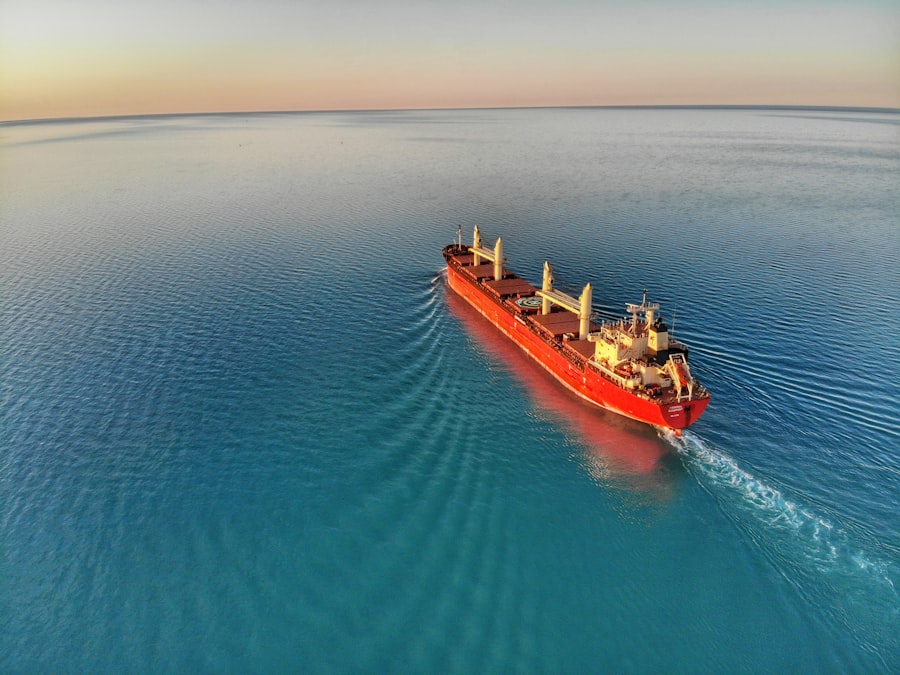
Navigating international trade routes presents a range of challenges and risks that can impact the efficiency and reliability of cargo shipping. One significant challenge is the unpredictability of weather conditions, which can lead to delays or even damage to cargo. Storms, fog, and other adverse weather phenomena can disrupt shipping schedules and necessitate rerouting, resulting in increased costs for businesses. Additionally, natural disasters such as hurricanes or earthquakes can affect port operations and infrastructure, further complicating logistics.
Another critical risk involves geopolitical tensions that can arise between nations. Conflicts or trade disputes may lead to increased scrutiny at borders or even blockades that hinder the movement of goods. Piracy remains a concern in certain regions, particularly in areas like the Gulf of Aden or off the coast of Somalia, where vessels may be targeted for hijacking. These risks necessitate robust risk management strategies for companies engaged in global cargo shipping, including insurance coverage and contingency planning to mitigate potential disruptions.
The Role of Technology in Optimizing Global Cargo Shipping
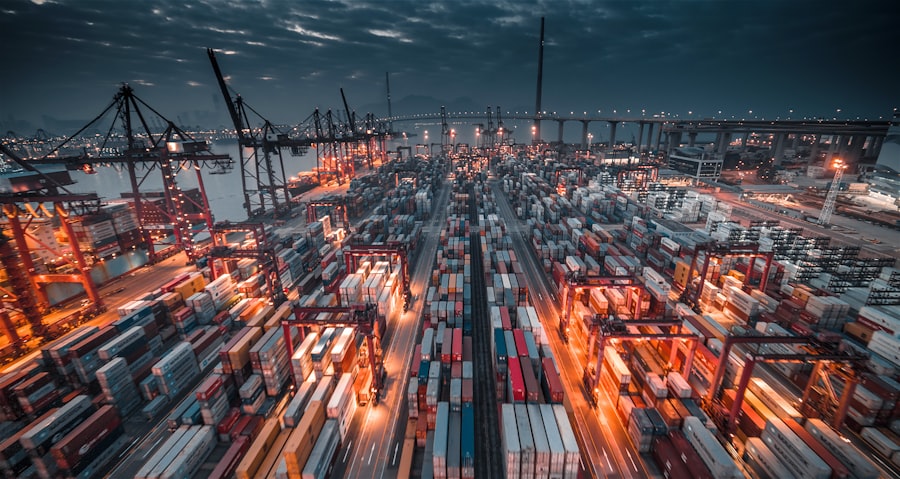
Technology plays a pivotal role in optimizing global cargo shipping by enhancing efficiency and reducing costs. Innovations such as automated container handling systems at ports streamline operations, allowing for faster loading and unloading of cargo. Additionally, advancements in tracking technology enable real-time monitoring of shipments, providing businesses with greater visibility into their supply chains. This transparency helps companies make informed decisions regarding inventory management and logistics planning.
Furthermore, data analytics is increasingly being utilized to optimize shipping routes and schedules. By analyzing historical data on shipping patterns and port congestion, companies can identify the most efficient paths for their cargo. This not only reduces transit times but also minimizes fuel consumption, contributing to cost savings and environmental sustainability. As technology continues to evolve, its integration into global cargo shipping will likely lead to further improvements in operational efficiency and service quality.
As the global economy continues to evolve, the importance of efficient international cargo shipment cannot be overstated. Companies are increasingly looking for ways to streamline their logistics processes, and embracing digital transformation is becoming a key strategy. For insights on how technology is reshaping the freight forwarding industry, you can read this informative article on the future of freight forwarding. It highlights the various innovations that are enhancing operational efficiency and improving customer service in the realm of international shipping. To explore these trends further, visit this article.
Key Players in the Global Cargo Shipping Industry
The global cargo shipping industry comprises a diverse array of key players that contribute to its functioning. Major shipping lines operate large fleets of container ships that transport goods across oceans. Companies such as Maersk, MSC, and CMA CGM dominate the market, offering extensive networks that connect various regions. These shipping lines often collaborate with port operators and logistics providers to ensure seamless movement of cargo from origin to destination.
In addition to shipping lines, freight forwarders play a crucial role in facilitating international trade by coordinating logistics on behalf of importers and exporters. They manage documentation, customs clearance, and transportation arrangements, acting as intermediaries between shippers and carriers. Other stakeholders include port authorities, which oversee port operations and infrastructure development, as well as regulatory bodies that establish guidelines for safety and compliance within the industry. The interplay among these key players is essential for maintaining an efficient global cargo shipping system.
In the ever-evolving landscape of international cargo shipment, understanding the role of freight forwarders is crucial for businesses looking to navigate complexities in logistics. A recent article highlights how these professionals add significant value, especially in an uncertain global economy. For more insights on this topic, you can read the article on how freight forwarders enhance shipping efficiency and reliability by following this link. Their expertise can be a game changer for companies aiming to optimize their supply chains and reduce costs.
Environmental Impact of Global Cargo Shipping
Also visit our Facebook page.
The environmental impact of global cargo shipping is a growing concern as awareness of climate change increases. The shipping industry is responsible for a significant portion of global greenhouse gas emissions, primarily due to the combustion of heavy fuel oil used by large vessels. Efforts are underway to reduce this impact through various initiatives aimed at improving fuel efficiency and transitioning to cleaner energy sources. For instance, some companies are exploring alternative fuels such as liquefied natural gas (LNG) or hydrogen to power their fleets.
Additionally, marine pollution poses a threat to ocean ecosystems. Oil spills from ships can have devastating effects on marine life and coastal communities. The industry is subject to regulations aimed at minimizing such risks, including measures for waste management and ballast water treatment to prevent the spread of invasive species. As environmental concerns continue to shape public policy and consumer preferences, the global cargo shipping industry faces pressure to adopt more sustainable practices while balancing economic viability.
Regulations and Compliance in International Trade Routes
Regulations play a critical role in governing international trade routes and ensuring compliance with safety standards. Various international organizations, such as the International Maritime Organization (IMO), establish guidelines that shipping companies must adhere to regarding vessel safety, environmental protection, and crew welfare. Compliance with these regulations is essential not only for legal operation but also for maintaining a company’s reputation in a competitive market.
Customs regulations also significantly impact international trade routes by dictating how goods are imported and exported across borders. Each country has its own set of rules regarding tariffs, documentation requirements, and inspections that must be followed by shippers. Failure to comply with these regulations can result in delays or penalties that affect supply chain efficiency. As trade agreements evolve and new regulations emerge, businesses must remain vigilant in adapting their practices to ensure compliance while navigating complex international trade environments.
Trends and Innovations in Global Cargo Shipping
The global cargo shipping industry is witnessing several trends and innovations that are reshaping its landscape. One notable trend is the increasing emphasis on digitalization within logistics operations. Companies are adopting advanced technologies such as blockchain to enhance transparency and traceability throughout the supply chain. This innovation allows for secure sharing of information among stakeholders, reducing the risk of fraud and improving overall efficiency.
Another significant trend is the growing focus on sustainability within the industry. As consumers become more environmentally conscious, companies are seeking ways to reduce their carbon footprint through greener practices. This includes investing in energy-efficient vessels, optimizing routing to minimize fuel consumption, and exploring alternative energy sources. The push for sustainability is not only driven by regulatory requirements but also by market demand for environmentally responsible practices.
The Economics of Global Cargo Shipping: Costs and Pricing
The economics of global cargo shipping involves various factors that influence costs and pricing structures within the industry. Freight rates are determined by multiple elements, including supply and demand dynamics, fuel prices, and operational expenses associated with vessel maintenance and crew wages. During periods of high demand or capacity constraints, freight rates may increase significantly, impacting overall trade costs for businesses.
Additionally, fluctuations in currency exchange rates can affect pricing for international shipments. Companies engaged in cross-border trade must account for these variables when budgeting for logistics expenses. Understanding the economic landscape is crucial for businesses looking to optimize their supply chains while managing costs effectively. As competition intensifies within the industry, companies are continually seeking ways to enhance operational efficiency to remain profitable amidst fluctuating economic conditions.
Security and Safety Measures in Global Cargo Shipping
Security and safety measures are paramount in global cargo shipping due to the inherent risks associated with transporting goods across international borders. The threat of piracy remains a concern in certain regions; therefore, shipping companies implement various security protocols to protect their vessels and cargo from potential attacks. This includes employing armed security personnel on high-risk routes or utilizing advanced surveillance technologies to monitor vessel movements.
In addition to piracy concerns, safety measures also encompass compliance with international safety standards established by organizations such as the International Maritime Organization (IMO). These standards cover aspects such as vessel construction, crew training, and emergency response procedures. Ensuring compliance with safety regulations not only protects crew members but also safeguards cargo integrity during transit.
The Future of Global Cargo Shipping: Opportunities and Challenges
The future of global cargo shipping presents both opportunities and challenges as the industry adapts to changing market dynamics and technological advancements. One opportunity lies in the potential for increased automation within port operations and vessel management systems. Automation can enhance efficiency by reducing turnaround times at ports while minimizing human error in logistics processes.
However, challenges persist as well; geopolitical tensions may disrupt established trade routes or lead to increased regulatory scrutiny on international shipments. Additionally, addressing environmental concerns will require significant investment in sustainable practices and technologies that may not yield immediate returns. As stakeholders navigate these complexities, collaboration among industry players will be essential for fostering innovation while ensuring resilience against emerging challenges in global cargo shipping.
In conclusion, global cargo shipping remains a vital component of international trade with far-reaching implications for economies worldwide. Understanding its intricacies—from trade routes to regulatory compliance—enables stakeholders to navigate this complex landscape effectively while addressing challenges related to security, sustainability, and technological advancement.




 ©2026 EXPERT CARGO INTERNATIONAL - All Rights Reserved - Powered by