

Connecting the world through the rumble of trucks and the hum of engines – that’s the essence of global road freight. Essentially, it’s the backbone of international trade, getting goods from where they’re made to where they’re needed. Think about it: that coffee you’re drinking, the clothes you’re wearing, the electronics you’re using – a huge chunk of it likely made its journey, at least partially, on the road. While ships and planes often get the spotlight for international transport, trucks are indispensable, especially for the critical “first and last mile” of that journey.
Road freight isn’t just about moving boxes; it’s about facilitating the flow of raw materials, finished products, and essential goods across borders. It’s the tangible link that keeps economies running and consumers supplied.
What Role Does Road Freight Play?
At its core, road freight is the most flexible and accessible mode of transport for many international routes. It can reach places air and sea cargo cannot and offers door-to-door service without the need for extensive intermodal transfers for every leg of the journey.
Beyond Just Local Deliveries
When we talk about global road freight, we’re not just talking about a truck driving across town. We’re looking at multi-country logistical operations, coordinated movements of goods facilitated by international agreements, and complex transit procedures.
A Vital Component of Supply Chains
Without a robust road freight network, global supply chains would grind to a halt. It’s the crucial link that connects factories to ports, warehouses to distribution centers, and ultimately, businesses to consumers worldwide. This constant movement ensures that businesses can source materials, produce goods, and get them to market efficiently.
In the realm of international road freight, understanding the role of freight forwarders is crucial for navigating the complexities of global logistics. A related article that delves into this topic is available at How Freight Forwarders Add Value in an Uncertain Global Economy. This article explores how freight forwarders can enhance supply chain efficiency and mitigate risks, making them invaluable partners in the ever-evolving landscape of international trade.
Navigating the Cross-Border Hustle
Moving goods by road across international borders is a complex dance of logistics, regulations, and paperwork. It’s where local knowledge meets international standards.
The Art of Customs and Documentation
Every border crossing involves a unique set of customs regulations, tariffs, and required documentation. This can range from simple transit declarations to complex import/export permits depending on the goods and the countries involved. Getting this right is paramount to avoid costly delays and penalties.
Understanding Import and Export Licenses
Different types of goods, from food products to high-tech equipment, often require specific licenses to be imported or exported legally. These are designed for safety, security, and economic reasons.
The Role of Customs Brokers
Professional customs brokers are often indispensable. They possess the expertise to navigate the intricate customs procedures, ensuring compliance and expediting the clearance process. Their knowledge of specific country requirements can save significant time and money.
Harmonized System (HS) Codes Explained
These standardized codes are used globally to classify traded products. Correctly classifying goods helps determine duties, taxes, and regulatory requirements. Misclassification can lead to serious issues.
The Importance of Transit Agreements
International road transport often relies on agreements between countries that simplify transit procedures. These can include frameworks for vehicle registration, driver permits, and standardized cargo liability.
Bilateral vs. Multilateral Agreements
Some agreements are between two countries, while others are multilateral, involving several nations. These foster smoother cross-border movement by harmonizing rules and reducing administrative burdens.
The Challenges of Diverse Regulations
Despite agreements, differences in regulations regarding vehicle weight limits, emissions standards, and road taxes can still pose challenges and necessitate careful planning.
Route Planning and Optimization
Efficient route planning is crucial for cross-border road freight. It involves considering factors like road conditions, border crossing times, rest stops for drivers, and potential security risks.
Leveraging Technology for Route Optimization
GPS and specialized logistics software play a key role in identifying the most efficient routes, factoring in real-time traffic data and historical border crossing wait times.
The Impact of Road Infrastructure
The quality of road infrastructure in different countries directly impacts transit times and costs. Well-maintained highways allow for faster and safer journeys.
The Backbone of Regional Connectivity
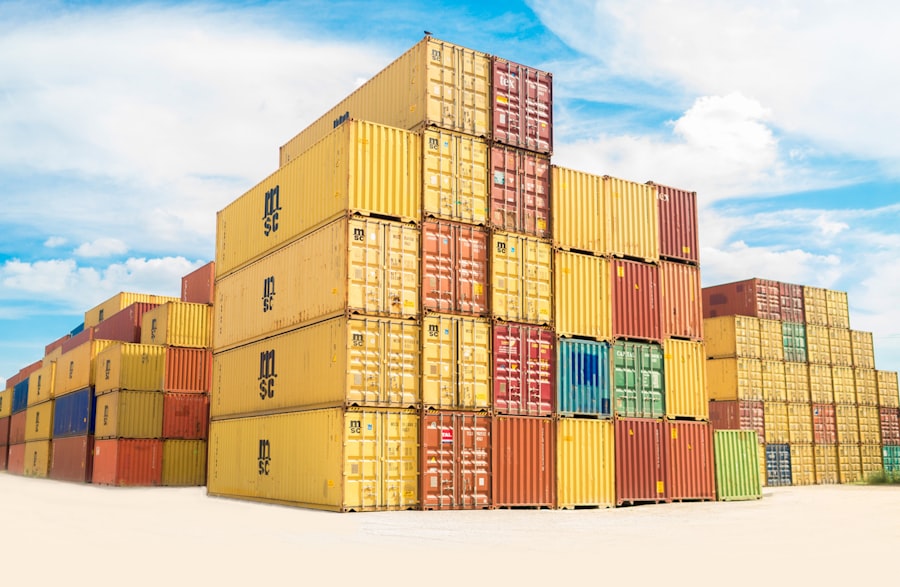
While intercontinental connections often grab headlines, the arteries of road freight are arguably more vital for day-to-day commerce within and between neighboring regions.
Intra-European Road Haulage
Europe has a highly integrated road freight network, facilitating the movement of goods across numerous borders with relative ease. This is thanks to decades of economic integration and infrastructure development.
The Single Market Impact
The European Union’s single market has significantly streamlined road freight operations within member states, reducing many of the traditional border barriers.
The Rise of Mega-Trailers
To maximize efficiency, many European countries have seen the adoption of larger trailers, allowing for more goods to be transported in a single journey, reducing the number of trucks on the road.
North American Trucking Networks
Similarly, the United States, Canada, and Mexico, through agreements like the USMCA (formerly NAFTA), have developed extensive cross-border trucking operations.
Cross-Border Trucking Challenges
Despite the USMCA, differences in regulations, tolls, and security procedures can still create complexities for trucking companies operating between these nations.
The Role of Specialized Carriers
Many trucking companies specialize in cross-border routes, developing deep expertise in the specific requirements of moving goods between these North American countries.
Asia’s Evolving Road Freight Landscape
The vastness of Asia presents unique challenges and opportunities for road freight. While improving, infrastructure and cross-border cooperation can be more varied than in Europe or North America.
The Belt and Road Initiative’s Influence
This ambitious initiative aims to improve infrastructure across Asia and beyond, which, if successful, could significantly boost road freight connectivity and efficiency.
Regional Trade Agreements and Their Impact
Various regional trade agreements are slowly fostering better road transport links across different Asian sub-regions.
Also visit our Facebook page.
Technology’s Role in Modernizing Road Freight
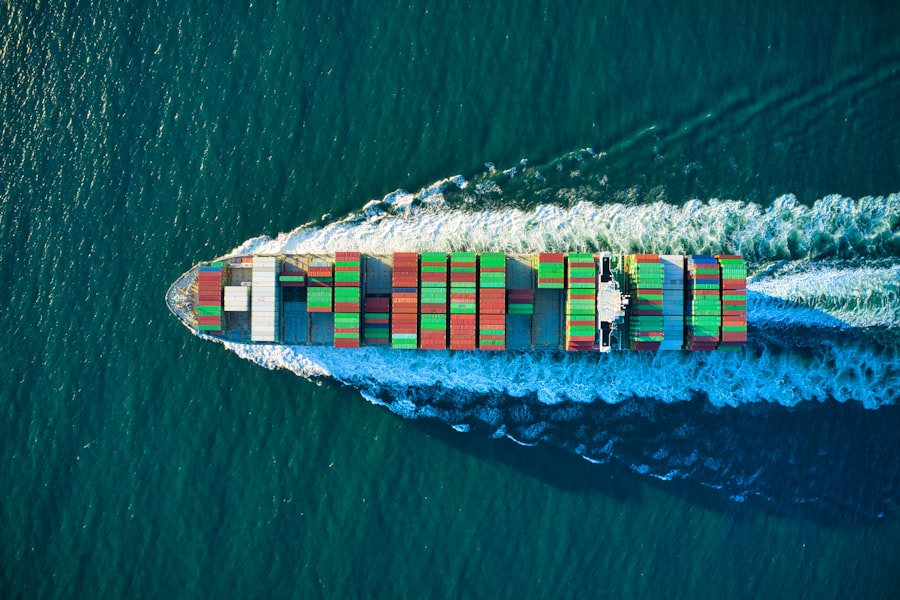
The world of road freight is far from static; it’s continually being reshaped by technological advancements. These innovations are making the process more efficient, transparent, and safe.
Real-Time Tracking and Visibility
Gone are the days of guessing where your shipment is. Advanced GPS tracking and telematics provide real-time data on location, speed, and even driver behavior.
Enhanced Supply Chain Management
This visibility allows businesses to better manage their supply chains, anticipate delivery times, and respond swiftly to any disruptions.
Improving Security and Preventing Theft
Real-time tracking also acts as a deterrent to theft and allows for quicker recovery of stolen goods.
Fleet Management Software
Sophisticated software helps manage entire fleets of trucks, optimizing maintenance schedules, fuel consumption, and driver assignments.
Predictive Maintenance for Vehicles
By analyzing vehicle data, this software can predict potential mechanical failures, allowing for proactive maintenance and reducing costly breakdowns.
Fuel Efficiency Optimization
Advanced routing and driver behavior monitoring contribute to significant fuel savings, which is a major operational cost in road freight.
The Data Revolution in Logistics
The sheer amount of data generated by modern road freight operations is immense. Analyzing this data leads to smarter decision-making.
Route Optimization Based on Big Data
Historical traffic patterns, weather data, and delivery success rates are analyzed to create the most efficient routes possible.
Performance Analytics for Carriers
Data provides insights into carrier performance, helping shippers make informed choices about who to partner with.
In the ever-evolving landscape of international road freight, staying informed about the latest trends and innovations is crucial for logistics professionals. A recent article discusses how digital transformation is reshaping the freight forwarding industry, highlighting the importance of technology in enhancing efficiency and transparency. For a deeper understanding of these changes and their implications, you can read more in this insightful piece on the future of freight forwarding. Embracing these advancements will be essential for companies looking to thrive in a competitive market.
The Future of Global Road Freight
The landscape of global road freight is set for continued evolution, driven by both technological progress and shifting global demands.
The Inevitability of Automation
While fully autonomous long-haul trucking still has hurdles, elements of automation are already appearing and will likely become more prevalent.
Driver-Assist Technologies
Features like adaptive cruise control and lane-keeping assist are already enhancing safety and reducing driver fatigue.
Autonomous Trucking Trials
Ongoing trials are exploring the feasibility of autonomous trucks for specific routes and conditions, which could eventually transform the industry.
Sustainability and Emission Reduction
Environmental concerns are a major driver for change, pushing for greener solutions in road freight.
The Rise of Electric and Hydrogen Trucks
While still in their early stages, electric and hydrogen-powered trucks are being developed and tested, offering the potential for zero-emission transport.
Alternative Fuels and Biofuels
The use of biofuels and other alternative fuels is also being explored and implemented to reduce the carbon footprint of existing fleets.
The Impact of E-commerce Growth
The explosive growth of e-commerce has placed even greater demands on road freight, particularly for last-mile delivery.
Increased Demand for Express Delivery
Consumers expect faster deliveries, putting pressure on road freight networks to be more agile and efficient.
Last-Mile Delivery Innovations
Companies are experimenting with various solutions for last-mile delivery, including smaller electric vehicles, cargo bikes, and even drones in some specialized cases.
Road freight, though often overlooked, is the indispensable engine powering global trade. It’s an industry in constant motion, adapting to new technologies, regulations, and the ever-growing demands of a connected world.




 ©2026 EXPERT CARGO INTERNATIONAL - All Rights Reserved - Powered by