


When it comes to moving goods, road shipping often presents itself as the most efficient and practical choice for many businesses. Its inherent flexibility, coupled with widespread infrastructure, means that for a significant percentage of freight, hauling by truck offers a speed and cost-effectiveness that other modes simply can’t match, especially for domestic and cross-border movements within accessible landmasses.
Road shipping, at its core, is about leveraging a network of roads, highways, and interstates to move goods from point A to point B using various types of trucks and trailers. This isn’t a one-size-fits-all solution; the optimal approach depends heavily on the nature of the goods, their volume, urgency, and the specific delivery locations.
Types of Road Freight Services
The specific service you choose will significantly impact efficiency and cost. Understanding the nuances here is key.
Full Truckload (FTL)
FTL means your shipment occupies an entire trailer. This is typically the most efficient option when you have enough goods to fill a trailer, or when security and speed are paramount, as the truck goes directly to its destination without intermediate stops. It’s often quicker than LTL because there’s no loading or unloading of other shippers’ freight.
Less Than Truckload (LTL)
LTL is for smaller shipments that don’t require an entire trailer. Your goods share space with other shippers’ freight. While it’s more cost-effective for smaller volumes, it can be slower due to multiple stops for pickups and deliveries, and there’s a higher risk of damage from repeated handling. It requires careful planning to minimize these downsides.
Partial Truckload (PTL)
PTL is a middle ground between FTL and LTL. It’s used when a shipment is too large for LTL but doesn’t quite fill an entire trailer. Unlike LTL, PTL shipments usually stay on the same truck for the entire journey, reducing handling and transit times, making it more efficient than LTL for larger, but not full, loads.
Expedited Shipping
When time is of the essence, expedited road shipping uses dedicated teams or routes to minimize transit time. This often involves continuous driving with multiple drivers, bypassing standard stops. It comes at a premium but is invaluable for urgent deliveries where delays mean significant financial losses.
In the ever-evolving logistics landscape, shipping by road remains a crucial component of freight transportation. For those interested in understanding how digital transformation is reshaping the entire freight forwarding industry, a related article can provide valuable insights. You can read more about this topic in the article titled “The Future of Freight Forwarding: Embracing Digital Transformation” available at this link.
Strategic Planning for Optimal Road Efficiency
Efficient road shipping isn’t just about loading a truck and sending it off. It necessitates meticulous planning and an understanding of logistical variables.
Route Optimization and Backhauling
This is a cornerstone of efficiency. Modern logistics software uses algorithms to determine the most efficient routes, considering factors like traffic patterns, road conditions, fuel stops, and tolls.
Minimizing Empty Miles
A significant inefficiency in trucking is “empty miles” – when a truck travels without a load. Backhauling, arranging for a return load, dramatically improves efficiency by ensuring the truck is utilized in both directions. This requires a robust network of contacts or sophisticated freight matching platforms.
Leveraging Technology for Routing
GPS tracking, real-time traffic updates, and predictive analytics in route planning software help drivers avoid congestion, construction, and adverse weather, leading to faster transit times and reduced fuel consumption. This isn’t just about speed; it’s about predictable delivery windows.
Load Maximization and Cube Utilization
Every cubic foot of trailer space costs money. Maximizing the amount of freight within the available space is crucial.
Pallet Configuration and Stacking
Proper palletizing and stacking strategies are essential. Techniques like pinwheeling or bricklaying can optimize space and enhance load stability, reducing the risk of damage. Utilizing professional load planners can make a significant difference here.
Dimensional Weight Considerations
Carriers often charge based on dimensional weight (DIM weight) if it exceeds the actual weight. Understanding how this is calculated and designing packaging to minimize DIM weight can lead to substantial savings and better space utilization.
Managing Costs and Carrier Relationships
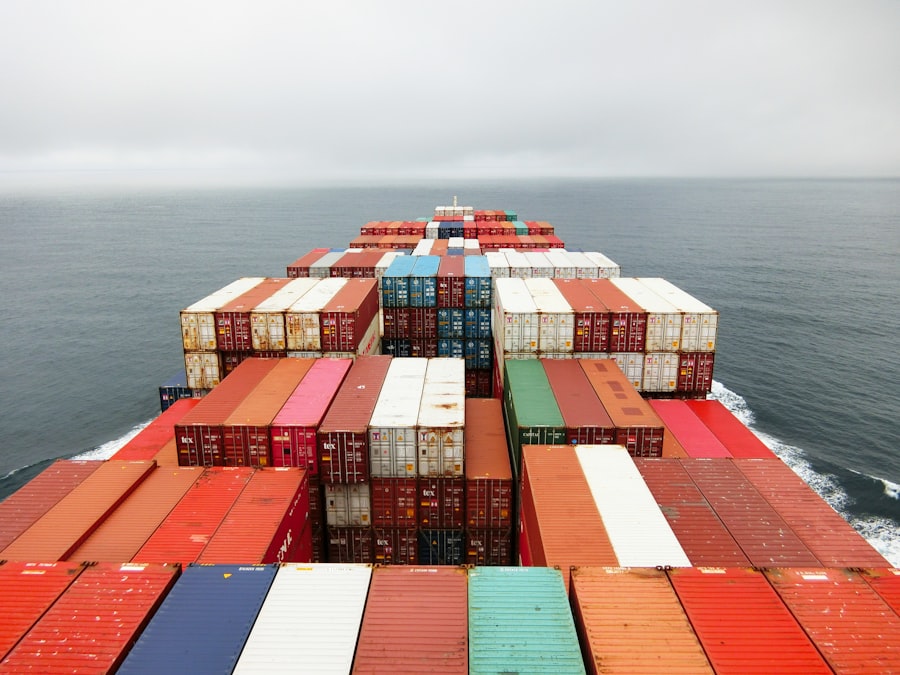
Cost control in road shipping extends beyond just the quoted rate. It involves a deeper look into the entire process and how you interact with your carriers.
Negotiation and Contract Management
Effective negotiation with carriers can yield competitive rates and favorable terms. This isn’t always about driving down the price to the lowest point, but rather finding a mutually beneficial agreement that ensures reliable service.
Building Long-Term Partnerships
Treating carriers as partners rather than just vendors often leads to better service, preferred rates, and greater flexibility during peak seasons or unexpected disruptions. Consistent volume and prompt payment are key aspects of building these relationships.
Understanding Accessorial Charges
Beyond the base freight rate, various accessorial charges can accrue, such as fuel surcharges, detention fees, liftgate services, or re-delivery fees. Understanding and anticipating these can help avoid unexpected costs and factor them into budgeting.
Fuel Efficiency Strategies
Fuel is one of the largest operating costs for a trucking company, and consequently, for shippers. Any savings here directly impact the bottom line.
Driver Training for Fuel-Efficient Practices
Educating drivers on techniques like smooth acceleration, consistent speeds, and avoiding excessive idling can lead to significant fuel savings over time. Many carriers invest in telematics systems to monitor and provide feedback on driving behavior.
Vehicle Maintenance and Aerodynamics
Regular and preventative maintenance ensures engines run at peak efficiency. Additionally, aerodynamic improvements on trucks and trailers, such as side skirts and tail fairings, can reduce drag and improve fuel economy.
Also visit our Facebook page.
Technology’s Role in Modern Road Shipping Efficiency
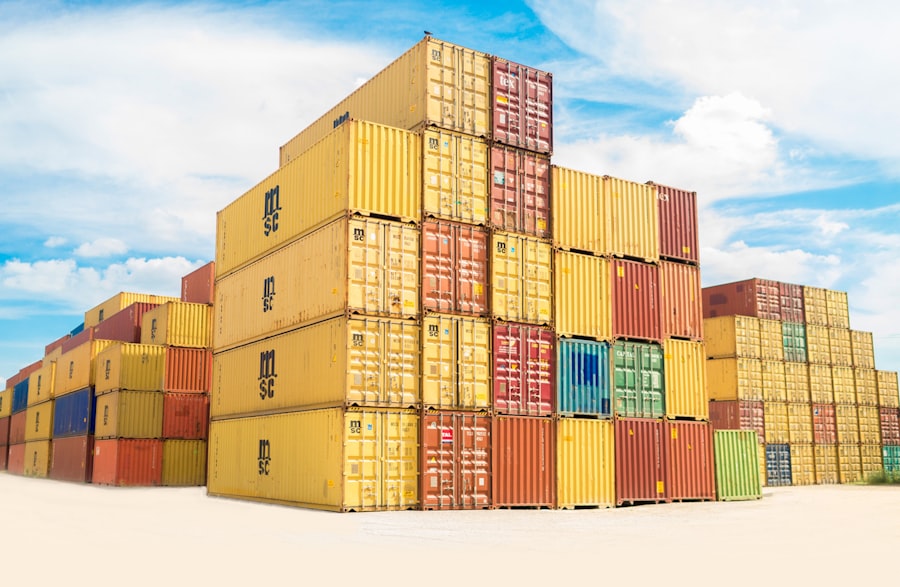
Technology has transformed road shipping, moving it from a largely manual process to a highly data-driven and optimized operation.
Transportation Management Systems (TMS)
A TMS is a software platform that helps manage and optimize the entire transportation process.
Centralized Planning and Execution
A TMS can automate route planning, carrier selection, freight booking, load tendering, and shipment tracking. This centralization reduces manual errors, speeds up processes, and provides a comprehensive overview of shipping operations.
Data Analytics and Reporting
Beyond basic management, a TMS provides valuable data on performance metrics such as on-time delivery rates, carrier performance, and cost per mile. This data is crucial for continuous improvement and strategic decision-making.
Real-Time Tracking and Visibility
Knowing where your shipment is at any given moment is no longer a luxury but an expectation.
GPS and Telematics Integration
GPS tracking devices on trucks provide real-time location data. Telematics systems go further, providing data on vehicle performance, driver behavior, and the condition of the cargo (e.g., temperature for refrigerated goods).
Shipper and Customer Portals
Many carriers and 3PLs offer online portals where shippers and their customers can track shipments, access documents, and receive automated updates, improving transparency and reducing the need for manual inquiries.
Shipping by road plays a crucial role in the logistics industry, providing an efficient means of transporting goods overland. For those interested in understanding the broader implications of logistics in today’s economy, a related article discusses how freight forwarders add value in an uncertain global economy. You can read more about it in this insightful piece on freight forwarders. This connection highlights the importance of strategic planning and adaptability in the face of changing market conditions.
Risk Mitigation and Resilience in Road Logistics
Despite careful planning, disruptions can occur. An efficient road shipping strategy also incorporates elements of risk mitigation and builds resilience into the supply chain.
Weather and Road Condition Monitoring
Adverse weather (snow, ice, heavy rain, high winds) and unexpected road closures can cause significant delays.
Proactive Monitoring Systems
Utilizing weather forecasting services and real-time road condition apps allows logistics managers to anticipate potential issues and reroute shipments proactively, minimizing disruption.
Contingency Planning
Having alternative routes, backup carriers, or even delaying shipments strategically can be more efficient than pushing through impossible conditions, which can lead to accidents, damage, or extreme delays.
Security Measures and Cargo Protection
Protecting freight from theft or damage is paramount, not just for financial reasons but also for reputation and customer satisfaction.
Secure Loading and Unloading Protocols
Ensuring proper loading techniques, using adequate dunnage and bracing to prevent shifting, and supervising loading/unloading can significantly reduce the risk of damaged goods.
Anti-Theft Technologies
GPS tracking, cargo sensors, and high-security seals are deterrents and recovery tools against cargo theft. Route planning to avoid high-risk areas can also play a role.
Regulatory Compliance
Navigating the complex landscape of transportation regulations is crucial for avoiding fines, delays, and legal issues.
Hours of Service (HOS) Regulations
Strict rules govern how many hours truck drivers can operate. Efficient scheduling must factor in HOS limits to avoid violations and ensure driver safety. Digital logging devices (ELDs) have simplified compliance tracking.
Weight and Dimension Restrictions
Every jurisdiction has limits on maximum vehicle weight and dimensions. Overloading or oversized loads can lead to costly fines and potential delays as freight needs to be reloaded or permit issues resolved. Awareness and adherence are key to smooth operations.




 ©2026 EXPERT CARGO INTERNATIONAL - All Rights Reserved - Powered by