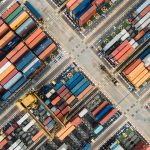


A well-oiled machine is necessary to transport your goods across oceans from point A to point B. It all comes down to careful planning, transparent communication, and strong operational procedures for seamless and effective sea freight delivery. It involves being aware of the variables, minimizing possible problems, and having dependable partners at every stage. This involves a sophisticated ecosystem intended to transport cargo dependably and economically; it’s not just about loading a container onto a ship.
The great majority of goods are transported internationally via sea freight, which is a vital component of international trade. Supply chains and consumer product availability are directly impacted by its effectiveness. important ecosystem participants. Cooperation between several organizations is necessary for efficient maritime freight. It is easier to define roles and improve communication when you know who is responsible for what.
In the ever-evolving landscape of logistics, understanding the nuances of sea freight delivery is crucial for businesses aiming to optimize their supply chains. A related article that delves into the future of freight forwarding and the impact of digital transformation on the industry can be found at this link. This insightful piece explores how technological advancements are reshaping freight forwarding, making it essential reading for anyone involved in maritime logistics.
shippers and consignees. The consignee is the person who receives the goods, and the shipper is the person who sends them. Both play distinct roles in organizing logistics and supplying documentation. The process as a whole is directly impacted by the accuracy of their information.
forwarders of goods. Shippers & different transportation services are connected by freight forwarders. They take care of the intricate logistics, such as scheduling space on ships, setting up inland transportation, clearing customs, and preparing all required paperwork.
Their knowledge is essential for negotiating international shipping laws and route optimization. In addition to ensuring compliance, a competent forwarder can avoid expensive delays. transportation lines. These are the carriers who provide the actual maritime transportation by owning & running the ships.
Sea freight delivery plays a crucial role in global trade, and understanding its complexities can greatly benefit businesses. For insights on how freight forwarders enhance the shipping process, you can explore a related article that discusses their value in an uncertain global economy. This article highlights the importance of strategic partnerships and efficient logistics, making it a valuable resource for anyone involved in international shipping. To read more, visit this article.
They oversee container availability, routes, & vessel schedules. The overall effectiveness of transit is significantly influenced by their service dependability. Port managers and terminal operators. Ports are essential hubs for the movement of goods between land & sea. Terminal operators handle the loading, unloading, and storage of containers inside the port area, while port authorities supervise operations.
Sea freight delivery plays a crucial role in global trade, and as the industry evolves, sustainability has become an increasingly important focus. For those interested in understanding how sustainability is shaping freight forwarding practices, a related article discusses the growing priority of eco-friendly solutions in logistics. You can read more about this important topic in the article on sustainability in freight forwarding, which highlights innovative approaches and strategies being implemented across the industry. For further insights, check out this article.
Turnaround times and traffic levels are directly impacted by their cargo handling efficiency. Brokers in customs. Customs brokers are experts at navigating the complex world of import & export laws. They ensure that goods pass customs without needless delay by preparing and submitting documentation to customs authorities.
Their expertise avoids expensive penalties and delays brought on by noncompliance. A seamless delivery depends on the preparation done before any cargo is moved. Careful planning reduces unpleasant surprises & ensures that the shipment is on schedule. Precise recording.
Precision in documentation is not merely required; it is essential. One of the main reasons for delays and extra expenses is inaccurate or lacking documentation. Business invoice and packing list. These records give important information about the items being shipped, their worth, and the packing method. The packing list lists the contents, weight, & dimensions of each package, while the commercial invoice serves as a declaration of value for customs purposes.
Penalties & re-inspections may result from these discrepancies. B/L, or bill of lading. A contract of carriage between the shipper & the carrier, a receipt for the shipped goods, and a document of title to the goods are the three primary functions of the crucial legal document known as the bill of lading. For the cargo to be released correctly at the destination, accuracy is crucial. The consignee may not be able to receive their goods due to errors.
Declarations for Customs. Every nation has its own rules about what can be imported and exported. Customs declarations that include the origin of the goods, harmonized system (HS) codes, and other regulatory information must be accurate. Holds, fines, or even cargo seizure may follow noncompliance. It saves a ton of trouble later if you do this correctly now.
Packing and Readiness of Cargo. For the cargo to be transported safely & handled effectively, its appearance and condition before shipment are crucial. appropriate labeling and packaging. In order to survive the rigors of international transit, which include numerous transfers, fluctuating temperatures, & possible movement on the vessel, goods must be packed sturdy enough.
Correct sorting & safe handling throughout the trip are ensured by labels that clearly state the destination, contents, handling instructions, and any hazardous materials. Inadequate packaging may result in insurance claims and damage. Accurate dimensions and weight. It goes beyond just figuring out freight costs to provide accurate weight & dimension information for cargo.
Maintaining compliance with port and road weight limits, container loading plans, and vessel stability all depend on it. Schedule disruptions, re-weighing fees, and cargo rejections can result from inaccurate data. After goods are prepared, they must be moved through different stages as efficiently as possible.
This calls for coordinated efforts across several touchpoints. Transportation within the country. The port is not the starting point of the journey. An essential first step is transferring goods from the origin warehouse to the departure port. Drayage Organization. The term “drayage” describes the short-distance movement of goods, usually from a warehouse to an intermodal rail yard or port.
Timely truck availability and appropriate equipment (e.g.) are essential for effective drayage. (g). chassis), & competent drivers. Vessel cut-off times may be missed as a result of drayage delays. Multimodal approaches.
Transit times and costs for inland legs can be optimized by combining various modes of transportation, such as truck and rail. In order to guarantee smooth mode transitions and prevent bottlenecks at transfer points, utilizing intermodal solutions necessitates careful planning. Port Operations Effectiveness. The entire supply chain is impacted by a port’s capacity to transport cargo swiftly and securely. Berthing & scheduling of vessels.
Ship schedules are very strict. In order to reduce wait times, ports require effective systems for managing traffic, assigning berths, & guiding ships in and out. Port congestion can result in serious delays that affect later port segments of a ship’s voyage.
loading and unloading containers. To maximize container loading and unloading, terminal operators utilize advanced machinery and planning software. Quick vessel turnaround depends on effective yard management, container staging, and crane operations.
Port delays are a direct result of these inefficiencies. Vessel Travel. Goods spend most of their transit time on the actual sea voyage.
Route optimization. In order to balance port calls, fuel economy, and directness, shipping lines optimize their routes. The best route for a ship depends on a number of factors, including geopolitical concerns, weather patterns, & canal transit times. These routes undergo frequent evaluation and modification.
Real-time visibility and tracking. Advanced tracking systems that offer real-time updates on a vessel’s location & anticipated arrival times are part of modern shipping practices. All parties are able to keep an eye on developments, foresee possible setbacks, and make appropriate plans for ensuing logistics thanks to this visibility. To control expectations, transparency is essential. The last crucial steps in the sea freight journey are getting the goods to their destination and clearing customs.
Problems here have the potential to quickly undo all earlier efforts. Procedures for Import Customs. It can be difficult to navigate the destination country’s customs, which differ greatly by area. Pre-arrival submission.
Before the ship even arrives, import declarations must be filed in many countries. This expedites the entire process upon arrival by enabling customs officials to pre-clear cargo or identify shipments that need additional scrutiny. Duty & Tax Computation. Customs clearance depends on the precise computation and payment of duties and taxes.
Errors in calculations may result in penalties, delays, or even entry rejection. Customs brokers are essential to maintaining compliance & accurate assessments. Respect for the rules.
In addition to duties and taxes, imports must abide by a number of other rules, such as those pertaining to intellectual property rights, product safety standards, labeling specifications, and health certificates. Significant delays, confiscation, or forced re-exportation are possible outcomes of noncompliance. Last Mile Transportation. For overall satisfaction, the final portion of the journey—from the destination port to the consignee’s final premises—is just as crucial.
Inland transportation and de-stuffing. Containers must be shipped to a de-stuffing facility or straight to the consignee after being cleared from the port. Bottlenecks at the destination are avoided by effectively planning this inland leg, including truck availability and delivery schedules.
Storage Facilities. Effective offloading, sorting, & inventory management at the receiving end are all necessary for a seamless delivery process when goods are going to a warehouse. A prompt & well-organized handover is ensured by coordination between the trucking company & the warehouse employees. Unexpected events can occur in spite of every effort. Maintaining efficiency & reducing disruption requires having plans in place for these situations.
recognizing possible risks. Proactive mitigation techniques are made possible by an awareness of typical pitfalls. weather-related delays. Storms & fog are examples of severe weather that can cause delays in inland transportation, port operations, and ship movements.
Although they can be included in lead time estimates, these are frequently unavoidable. Congestion in ports. Significant port congestion can result from unexpected increases in cargo volume, labor disputes, or equipment malfunctions, which delay container processing and force ships to wait for berths. Recent international events have brought attention to the vulnerability & potential bottlenecks in port operations.
Customs Inspections and Holds. Customs officials may choose shipments at random for inspection or hold cargo for additional clarification, even with flawlessly prepared documentation. Being ready with all required backup documentation can speed up resolution, even though it is unpredictable.
Creating Contingency Plans. For resilient supply chains, having backup plans is essential, not a luxury. Adaptable routing choices. If a primary route becomes unfeasible due to delays, having alternate routes or modes of transportation identified can serve as a backup for shipments that must arrive on time.
This could entail rerouting through different ports or air freight for essential components. strong channels for communication. All parties must communicate clearly and quickly when problems arise. This entails providing information on delays, updated timetables, and suggested fixes. Collaborative problem-solving and expectation management are facilitated by proactive communication.
coverage for insurance. Financial protection against loss or damage while in transit is offered by cargo insurance. Although it doesn’t stop delays, it lessens the financial impact of unanticipated circumstances, enabling companies to recover losses and continue operating.
Every conscientious shipper takes this safety net into account. Strong partnerships, careful planning, & a thorough understanding of international logistics result in seamless and effective sea freight delivery. Optimization, risk assessment, and adaptation to the dynamics of international trade are all ongoing processes. Businesses can reliably transport their goods across oceans by concentrating on these essential components, supporting the demands of contemporary commerce.
.




 ©2026 EXPERT CARGO INTERNATIONAL - All Rights Reserved - Powered by