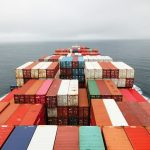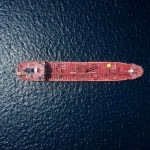

Smooth Sailing, a maritime transport company, has established itself as a significant player in the global shipping industry. Founded in [Year], the company has experienced consistent growth, expanding its fleet and operational capabilities to meet evolving market demands. Its strategic focus on efficiency, reliability, and technological integration has contributed to its sustained development.
Company Genesis and Early Development
Smooth Sailing began its operations with a modest fleet of [number] vessels, primarily focused on regional cargo routes. Initial challenges included securing financing, establishing a reliable network of port contacts, and competing with established industry giants. The company’s early success can be attributed to its agile approach and emphasis on customer service.
Initial Fleet Acquisitions
The inaugural fleet comprised [type of vessels], primarily suited for [type of cargo/routes]. These vessels were acquired through a combination of lease agreements and outright purchases, reflecting a pragmatic approach to capital expenditure.
Establishing Key Trade Routes
Early operational efforts concentrated on developing robust trade links between [region 1] and [region 2], focusing on the transport of [specific commodities]. This specialization allowed Smooth Sailing to gain expertise and build a reputation within these niche markets.
Overcoming Initial Market Hurdles
The nascent company faced considerable competition. Its strategy involved offering competitive pricing, demonstrating superior delivery times, and cultivating strong relationships with clients through direct engagement and responsive communication.
In the ever-evolving landscape of global trade, sea transport companies play a crucial role in ensuring the efficient movement of goods across international waters. A related article that delves into the importance of logistics and the value added by freight forwarders in this context can be found at this link. It highlights how these intermediaries navigate the complexities of shipping and contribute to a more resilient supply chain, especially in uncertain economic times.
Operational Footprint and Fleet Expansion
Over the decades, Smooth Sailing has systematically expanded its operational footprint. From its initial regional focus, the company now operates across major global trade lanes, connecting continents and facilitating international commerce. This expansion has been supported by a continuous program of fleet modernization and acquisition.
Global Network Development
Smooth Sailing’s network now encompasses key maritime chokepoints and major port hubs worldwide. This extensive reach allows for efficient cargo movement and provides clients with a broad range of shipping options. The company’s vessels routinely call at ports in [list of continents/major regions].
Diversification of Vessel Types
The company’s fleet has evolved to include a diverse array of vessel types tailored for specific cargo requirements. This includes [type 1, e.g., container ships] for standardized goods, [type 2, e.g., bulk carriers] for raw materials, and [type 3, e.g., specialized carriers] for unique commodities. This diversification enhances adaptability to market shifts.
Investment in Modern Vessels
Smooth Sailing has made significant investments in newer, more fuel-efficient, and technologically advanced vessels. This commitment addresses both operational cost reduction and environmental considerations, aligning with international maritime regulations.
Technological Integration and Innovation
Smooth Sailing has adopted a proactive stance regarding technological integration within its operations. The company recognizes that technology is not merely a tool but a fundamental component of modern maritime logistics, enhancing efficiency, safety, and competitiveness.
Advanced Fleet Management Systems
The company employs sophisticated fleet management software that provides real-time data on vessel location, fuel consumption, engine performance, and cargo status. This data-driven approach allows for optimized routing, predictive maintenance, and improved decision-making.
Digitalization of Supply Chain Processes
Smooth Sailing has implemented digital platforms for client interaction, cargo tracking, and documentation. This digitalization streamlines communication, reduces administrative overhead, and provides greater transparency throughout the supply chain.
Autonomous Shipping Initiatives
While fully autonomous shipping remains largely in the research and development phase, Smooth Sailing is actively monitoring and investing in technologies that pave the way for future advancements. These include remote monitoring capabilities, intelligent navigation systems, and enhanced sensor arrays, laying the groundwork for increased automation in parts of the shipping process.
Data Analytics for Route Optimization
Leveraging vast datasets, Smooth Sailing employs advanced data analytics to refine its routing strategies. This includes factoring in weather patterns, oceanic currents, port congestion data, and geopolitical events to identify the most efficient and cost-effective pathways for its vessels.
Cybersecurity Measures in Maritime Operations
Given the increasing reliance on digital systems, Smooth Sailing has invested in robust cybersecurity protocols. This protects sensitive operational data, client information, and ensures the integrity of its navigation and communication systems from potential threats.
Also visit our Facebook page.
Environmental Stewardship and Sustainability Initiatives
Smooth Sailing acknowledges its responsibility to operate sustainably and minimize its environmental impact. The maritime industry, as a significant contributor to global emissions, faces increasing pressure to adopt greener practices. The company has implemented various initiatives to address these concerns.
Fuel Efficiency Programs
A core component of Smooth Sailing’s sustainability strategy is its relentless focus on fuel efficiency. This includes optimizing vessel speeds, adopting advanced hull coatings to reduce drag, and implementing propeller optimization techniques. These measures reduce both fuel consumption and greenhouse gas emissions.
Alternative Fuel Exploration
The company is actively exploring and evaluating alternative fuels beyond traditional marine diesel. This includes pilot projects for vessels powered by liquefied natural gas (LNG) and methanol, and research into ammonia and hydrogen as long-term solutions. This forward-looking approach positions Smooth Sailing to adapt to future regulatory landscapes.
Ballast Water Management Systems
Smooth Sailing has invested in advanced ballast water treatment systems across its fleet. These systems prevent the introduction of invasive species into new ecosystems, adhering to international regulations aimed at protecting marine biodiversity.
Waste Management and Recycling Programs
Onboard waste management protocols emphasize reduction, reuse, and recycling. Crews are trained in proper waste segregation and disposal procedures, minimizing the volume of waste discharged at sea and maximizing the amount recycled at appropriate port facilities.
Partnerships for Sustainable Shipping
Smooth Sailing actively collaborates with industry bodies, research institutions, and technology providers to develop and implement sustainable shipping solutions. This includes participation in joint ventures aimed at developing new propulsion technologies and environmental monitoring systems.
As the sea transport industry continues to evolve, companies are increasingly looking towards innovative solutions to enhance their operations. A recent article discusses how digital transformation is reshaping freight forwarding, highlighting the importance of technology in streamlining processes and improving efficiency. For more insights on this topic, you can read the article on the future of freight forwarding. Embracing these advancements can significantly benefit sea transport companies in navigating the complexities of global trade.
Corporate Governance and Stakeholder Relations
Smooth Sailing operates under a robust corporate governance framework designed to ensure transparency, accountability, and ethical conduct. The company recognizes that strong stakeholder relationships are crucial for long-term success.
Ethical Business Practices
A strict code of conduct guides all business dealings at Smooth Sailing. This emphasizes honesty, integrity, and compliance with all applicable laws and regulations. Anti-corruption policies are rigorously enforced throughout the organization.
Employee Training and Development
Smooth Sailing invests in its human capital through comprehensive training and development programs for both seagoing and shore-based personnel. This ensures a skilled workforce capable of operating modern vessels and managing complex global logistics. Professional development opportunities are routinely offered.
Community Engagement
Where its operations have a significant local impact, Smooth Sailing engages with local communities. This includes supporting local initiatives, providing employment opportunities, and ensuring that its operational activities are conducted with respect for community well-being.
Investor Relations and Transparency
For its investors, Smooth Sailing maintains transparent reporting practices and open communication channels. Regular financial updates and operational performance reports are provided, ensuring that investors are well-informed about the company’s trajectory and strategic direction. This fosters confidence and long-term commitment.
Health and Safety Standards
Smooth Sailing places paramount importance on the health and safety of its crews, shore-based personnel, and anyone impacted by its operations. The company implements stringent safety management systems, conducts regular safety drills, and ensures compliance with international maritime safety conventions. A proactive approach to risk assessment and hazard mitigation is central to its safety culture.
Future Outlook and Strategic Direction
As the global maritime landscape continues to evolve, Smooth Sailing remains committed to its core principles while adapting to new challenges and opportunities. The company’s strategic direction focuses on continued growth, sustained innovation, and enhanced sustainability.
Expansion into Emerging Markets
Smooth Sailing is actively evaluating opportunities for expansion into emerging markets, particularly those with growing economies and increasing demand for international trade services. This includes strategic port investments and partnership formations.
Continued Digital Transformation
The company plans further investments in digital technologies, including artificial intelligence and machine learning, to further optimize operations, enhance predictive capabilities, and develop new service offerings. This includes exploring blockchain technology for supply chain transparency.
Decarbonization Roadmap
Smooth Sailing has established a clear decarbonization roadmap to align with international climate targets. This roadmap outlines key milestones for reducing carbon emissions, investing in zero-emission technologies, and exploring carbon capture solutions.
Diversification of Services
Beyond traditional cargo transportation, Smooth Sailing is exploring opportunities for diversification, which may include integrated logistics solutions, multimodal transport services, or specialized project cargo handling. This expansion seeks to provide more comprehensive value to clients.
Talent Acquisition and Retention
Recognizing that skilled personnel are the backbone of the industry, Smooth Sailing is intensifying its efforts in talent acquisition and retention. This includes offering competitive compensation, fostering a positive work environment, and providing clear career progression pathways in a highly technical and demanding field. This ensures a continual flow of expertise into the organization.
Smooth Sailing’s journey, much like a steadfast vessel navigating open waters, demonstrates a consistent dedication to its mission. By prioritizing efficiency, embracing technological advancements, and committing to environmental responsibility, the company continues to solidify its position as a key facilitator of global commerce. Its ongoing efforts reflect an understanding that success in the maritime sector is a continuous voyage of adaptation and improvement.




 ©2026 EXPERT CARGO INTERNATIONAL - All Rights Reserved - Powered by