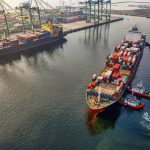


When it comes to moving goods across borders, international freight brokerage essentially acts as your specialized intermediary. They’re the folks who navigate the complexities of global shipping, connecting shippers (that’s you, if you’re sending stuff) with carriers (airlines, shipping lines, trucking companies) and handling the mountain of paperwork, regulations, and customs hurdles that come with it. Think of them as your logistics quarterback, making sure your cargo gets from point A to point B efficiently, legally, and without unnecessary headaches.
At its core, an international freight broker is a licensed professional or company that facilitates the movement of goods between countries. They don’t own the planes, ships, or trucks themselves, nor do they physically touch the cargo. Instead, their value lies in their expertise, network, and ability to simplify incredibly complex processes.
Navigating Carrier Selection
One of the primary roles is matching your specific shipment needs with the right carrier. This isn’t just about finding the cheapest option; it’s about finding the best option for your cargo’s size, weight, urgency, destination, and budget. They have established relationships with numerous carriers across various modes of transport.
- Understanding Carrier Strengths and Weaknesses: Some carriers excel in air freight for speed, others in ocean freight for cost-effectiveness. Some specialize in certain regions or types of cargo (e.g., hazmat, refrigerated goods). A good broker knows these nuances.
- Negotiating Rates: Brokers leverage their volume and relationships to secure competitive rates that individual shippers might not be able to obtain on their own.
Managing Documentation and Compliance
This is arguably where brokers earn their keep. International shipping involves a mind-boggling amount of paperwork and adherence to regulations that vary by country, cargo type, and even port. Mistakes here can lead to significant delays, fines, or even seizure of goods.
- Customs Declarations: Preparing and filing accurate customs declarations is paramount. This includes harmonized system (HS) codes, valuation, and country of origin details.
- Import/Export Licenses and Permits: Certain goods require specific licenses or permits for import or export. Brokers identify these requirements and guide you through the application process.
- Bills of Lading and Air Waybills: These crucial documents serve as contracts of carriage and receipts for goods. Brokers ensure they are correctly issued and distributed.
- Certificates of Origin and Inspection Certificates: Depending on the trade agreement or destination country, specific certificates verifying the origin or condition of goods may be required.
Customs Clearance Facilitation
Getting goods through customs is often the most daunting part of international shipping. Brokers work closely with customs brokers (who are licensed to handle direct interactions with customs authorities) to ensure a smooth and timely clearance process.
- Pre-Clearance Expertise: Many brokers can advise on necessary steps to facilitate pre-clearance, reducing delays upon arrival.
- Duty and Tax Calculation: They can help estimate duties, taxes, and other fees associated with your shipment, providing a clearer picture of total landed costs.
- Problem Resolution: If customs issues arise, a broker acts as a point of contact and can help resolve discrepancies or provide additional information promptly.
In the ever-evolving landscape of international freight brokerage, staying informed about the latest trends and technologies is crucial for success. A related article that delves into the impact of digital transformation on the industry is available at this link: The Future of Freight Forwarding: Embracing Digital Transformation. This article explores how advancements in technology are reshaping freight forwarding and offers insights into the future of logistics.
How International Freight Brokerage Streamlines Global Logistics
The value proposition of using a freight broker boils down to efficiency, cost-effectiveness, and risk mitigation. They take on the administrative burden and leverage their expertise to make complex processes smoother for their clients.
Optimizing Supply Chain Efficiency
A well-managed logistics operation is fluid and predictable. Brokers play a critical role in minimizing disruptions and ensuring goods move through the supply chain with minimal friction.
- Reduced Transit Times: By selecting the most appropriate carriers and routes, brokers can help minimize the time goods spend in transit, which is crucial for time-sensitive cargo or just-in-time inventory models.
- Improved Predictability: Their insights into carrier schedules, transit times, and potential delays (e.g., port congestion) allow for more accurate planning and forecasting.
- Consolidation Services: For smaller shipments (less-than-container-load or LCL), brokers can consolidate multiple shipments into a single container, optimizing space and reducing costs for individual shippers.
Cost Savings and Financial Advantages
While there’s a fee for their services, the overall cost savings a good broker can provide often far outweigh this expense.
- Negotiated Rates: As mentioned, brokers can often secure better rates than individual shippers due to their volume and relationships with carriers.
- Avoiding Demurrage and Detention Charges: These costly fees are incurred when cargo isn’t picked up or returned within specified free time. Brokers actively manage schedules and documentation to prevent such charges.
- Minimizing Customs Fines: Accurate documentation and compliance reduce the likelihood of expensive penalties from customs authorities.
- Optimized Routing: Choosing the most efficient route can save on fuel, tolls, and other transportation costs.
Risk Mitigation and Compliance Assurance
International trade inherently carries risks, from cargo damage to regulatory non-compliance. Brokers act as a buffer, helping to minimize these potential pitfalls.
- Insurance Coordination: They can advise on and arrange cargo insurance, protecting your goods against loss or damage during transit.
- Regulatory Compliance: Staying up-to-date with evolving international trade regulations, sanctions, and customs laws is a full-time job. Brokers ensure your shipments meet all necessary legal requirements.
- Security Protocols: Brokers work with carriers that adhere to industry-standard security protocols, safeguarding your cargo from theft or tampering.
- Contingency Planning: In case of unforeseen events like port strikes, natural disasters, or carrier delays, a good broker can often present alternative solutions or rerouting options.
The Relationship Between Shippers and Freight Brokers

The partnership between a shipper and an international freight broker is built on trust and clear communication. It’s not just a transactional service; it’s a collaborative effort to achieve logistics goals.
Communication and Transparency
Effective communication is the backbone of a successful brokerage relationship. Shippers need to provide accurate and detailed information about their cargo, and brokers need to provide timely updates.
- Detailed Shipment Information: Shippers must accurately describe their cargo (type, weight, dimensions, value), hazmat classification, special handling instructions, and desired delivery timelines.
- Tracking and Updates: Brokers should provide regular updates on the shipment’s status, including departure, transit, and arrival notifications. Many offer online tracking portals.
- Problem Reporting: When issues arise, clear and prompt communication from the broker regarding the problem, its cause, and proposed solutions is crucial.
Data Sharing and Technology Integration
Modern logistics relies heavily on data and technology. Brokers increasingly leverage digital tools to enhance their services.
- Electronic Data Interchange (EDI): Many brokers use EDI to seamlessly exchange information with carriers, customs authorities, and shippers, reducing manual errors and speeding up processes.
- API Integrations: Integration with a shipper’s Enterprise Resource Planning (ERP) or Transportation Management System (TMS) can automate order placement, tracking, and invoicing.
- Analytics and Reporting: Brokers can often provide detailed reports on shipping performance, cost analysis, and transit times, helping shippers identify areas for improvement.
Also visit our Facebook page.
Choosing the Right International Freight Broker

Selecting a freight broker isn’t a decision to be taken lightly. The right partner can significantly impact your supply chain’s efficiency and your bottom line.
Key Considerations for Selection
Look beyond just the quoted price. A cheap rate that leads to delays or customs issues will quickly become costly.
- Industry Experience and Specialization: Does the broker have experience with your specific industry or type of goods? Do they specialize in certain regions or modes of transport that align with your needs?
- Network and Carrier Relationships: A strong network of reputable carriers demonstrates the broker’s ability to offer diverse options and competitive rates.
- Technology and Tracking Capabilities: Modern brokers should offer robust technology for tracking, reporting, and communication.
- Customer Service and Communication: How responsive and transparent are they? Do they offer a dedicated point of contact?
- Licenses and Certifications: Ensure they are properly licensed and bonded. Check for relevant certifications like C-TPAT (Customs-Trade Partnership Against Terrorism) if applicable.
- Financial Stability: A financially stable broker is less likely to encounter issues that could impact your shipments.
- References and Reputation: Ask for references and check online reviews or industry accolades.
The Onboarding Process
Once you’ve chosen a broker, the onboarding process should be structured and thorough to ensure a smooth working relationship.
- Understanding Your Business: A good broker will take the time to understand your products, typical shipping lanes, volume, and specific logistics requirements.
- Establishing Communication Protocols: Clearly define how and when communication will occur, who the primary contacts are, and what reporting mechanisms will be used.
- Documentation Exchange: Ensure all necessary legal agreements, power of attorney for customs, and insurance details are exchanged and understood.
- Trial Period or Pilot Shipments: Consider starting with a few pilot shipments to test the waters before committing to a long-term partnership.
In the ever-evolving landscape of international trade, understanding the role of freight brokerage is crucial for businesses aiming to navigate complex logistics. A related article discusses how freight forwarders add value in an uncertain global economy, highlighting the importance of strategic partnerships and efficient supply chain management. For more insights on this topic, you can read the article here: how freight forwarders add value. This resource provides valuable information on how these intermediaries can enhance operational efficiency and mitigate risks in international shipping.
The Future of International Freight Brokerage
The logistics landscape is constantly evolving, driven by technological advancements, geopolitical shifts, and changing consumer demands. International freight brokers must adapt to remain relevant and valuable.
Digital Transformation and Automation
The push towards greater digitalization is reshaping the brokerage industry.
- AI and Machine Learning: These technologies are being deployed for route optimization, predictive analytics (e.g., forecasting delays), and automated rate quoting.
- Blockchain for Transparency: While still in nascent stages, blockchain holds promise for creating immutable records of shipments, enhancing transparency and trust across the supply chain.
- API-First Approaches: Broader adoption of APIs will lead to more seamless integration between various supply chain stakeholders, from manufacturers to end consumers.
Sustainability and Environmental Considerations
As environmental concerns grow, sustainability is becoming a key differentiator in logistics.
- Green Logistics: Brokers are increasingly offering options for more eco-friendly transportation modes and routes, helping shippers reduce their carbon footprint.
- Carbon Footprint Tracking: Tools to measure and report on the emissions associated with shipments are becoming more common.
- Compliance with Environmental Regulations: Navigating increasingly strict environmental regulations for shipping (e.g., low-sulfur fuel requirements) is another area where brokers provide expertise.
E-commerce and Direct-to-Consumer (DTC) Impacts
The rise of global e-commerce and DTC models presents both challenges and opportunities for freight brokers.
- Small Parcel Cross-Border: Handling a higher volume of smaller, more frequent shipments to individual end-customers requires different strategies than traditional B2B freight.
- Last-Mile Delivery Integration: Brokers are exploring partnerships and solutions that extend their capabilities into the increasingly crucial last-mile delivery segment, even across borders.
- Returns Management: International returns can be incredibly complex. Brokers may offer or facilitate solutions for managing these reverse logistics flows.
In conclusion, international freight brokerage is far more than just finding a truck or a container. It’s a specialized service that provides invaluable expertise, streamlines complex processes, mitigates risks, and ultimately, helps businesses participate effectively in the global marketplace. As global trade continues to expand and evolve, the role of a capable freight broker will only become more central to successful international logistics operations.




 ©2026 EXPERT CARGO INTERNATIONAL - All Rights Reserved - Powered by