

Ever wonder how that gadget from across the ocean ends up on your doorstep, or how vital medical supplies reach remote corners of the globe? It’s all thanks to the intricate dance of global supply chains, and a key player making that dance smoother is an international logistics provider. Think of them as the choreographers and stagehands for the world’s goods. If streamlined operational efficiency, reduced costs, and better customer satisfaction are on your wishlist for your business’s global reach, then partnering with the right international logistics provider is a pretty solid bet. They’re not just shipping boxes; they’re managing complexity, mitigating risks, and ultimately, making your international business operations far more manageable and effective.
This is where the magic happens, or at least where a lot of very organized, hard work occurs. An international logistics provider is essentially your go-to expert for managing the entire journey of your products across borders. They handle everything from sourcing and manufacturing coordination to the final delivery, ensuring goods move efficiently, safely, and compliantly. It’s a multifaceted role that goes far beyond simply booking a freight carrier.
Beyond the Truck and the Ship: The Comprehensive Scope
When we talk about international logistics, we’re not just talking about the physical movement of goods. It’s a full-service operation that touches on many critical aspects of your business.
International Freight Forwarding: The Backbone of Movement
This is probably the most visible function. Freight forwarders act as intermediaries, arranging the transportation of your goods via various modes – ocean, air, road, and rail. They work with a network of carriers to find the best routes, rates, and transit times for your specific needs. This involves understanding the nuances of each mode, which can significantly impact cost and speed. For example, air freight is fast but expensive, while ocean freight is slower but economical for larger volumes.
Customs Brokerage: Unlocking Border Access
Crossing international borders isn’t as simple as driving across a state line. Each country has its own set of customs regulations, tariffs, duties, and import/export documentation requirements. International logistics providers often have in-house or partnered customs brokers who are experts in these complex rules. They ensure all paperwork is accurate and submitted on time, preventing costly delays and fines. This expertise is invaluable, as even minor errors can lead to goods being held up indefinitely.
Warehousing and Distribution: Strategic Storage Solutions
Once goods arrive in a new country, they need to be stored and then distributed to their final destinations. Logistics providers offer warehousing solutions, which can range from shared facilities to dedicated, temperature-controlled spaces. They manage inventory, pick and pack orders, and plan the most efficient distribution networks within the destination country, be it for business-to-business (B2B) or business-to-consumer (B2C) sales.
Supply Chain Management: The Orchestral Conductor
This is the overarching discipline. A comprehensive provider looks at your entire supply chain, from raw material sourcing to end-consumer delivery, and identifies opportunities for improvement. They analyze bottlenecks, optimize inventory levels, and implement strategies to reduce lead times and costs across the entire network. It’s about seeing the big picture and making all the interconnected parts work harmoniously.
In the ever-evolving landscape of international logistics, sustainability has emerged as a critical focus for providers aiming to enhance their operations while minimizing environmental impact. A related article that delves into this important topic is titled “Sustainability in Freight Forwarding: A Growing Priority,” which discusses the various strategies and practices that logistics companies are adopting to become more eco-friendly. For more insights on this subject, you can read the article here: Sustainability in Freight Forwarding: A Growing Priority.
The Tangible Benefits: Why Partnering with an Expert Makes Sense
So, you understand what they do, but what’s in it for you and your business? The advantages of enlisting the help of an experienced international logistics provider are numerous and can profoundly impact your bottom line and operational efficiency.
Cost Reduction: Finding Savings Through Expertise
This is often the most immediate and attractive benefit. Logistics providers leverage their extensive networks and volume to negotiate better rates with carriers, meaning you often pay less than you would by booking directly. Furthermore, their expertise helps avoid costly mistakes.
Optimized Shipping Rates: Volume and Negotiation Power
Because logistics providers handle such a high volume of shipments for multiple clients, they have significant bargaining power with airlines, shipping lines, and trucking companies. This allows them to secure preferential rates and discounts that individual businesses might not be able to achieve. They understand the market fluctuations and can advise on the best times to ship to save money.
Reduced Penalties and Fines: Avoiding Costly Mistakes
Navigating customs regulations and trade compliance is incredibly complex. A single misfiled document or incorrect tariff classification can result in hefty fines, delays, and even seizure of goods. An experienced provider’s in-depth knowledge ensures compliance, saving you from these financially damaging pitfalls.
Enhanced Efficiency: Speeding Up Your Operations
Time is money, especially in the fast-paced world of global commerce. Logistics providers are built for speed and efficiency, streamlining processes that would otherwise consume valuable internal resources.
Streamlined Documentation and Compliance: Paperwork Handled
The sheer volume of paperwork required for international shipping can be overwhelming. From bills of lading and customs declarations to certificates of origin and import permits, it’s a bureaucratic marathon. Logistics providers specialize in managing this, ensuring all necessary documents are correct and submitted promptly, which is crucial for avoiding delays at ports and borders.
Optimized Routing and Transit Times: Getting There Faster
With their broad network and real-time tracking capabilities, logistics providers can select the most efficient routes and modes of transport. They understand the best connections, potential choke points, and can often reroute shipments proactively if issues arise, minimizing transit times and impacting your inventory turnover positively.
Risk Mitigation: Protecting Your Assets
International trade inherently carries risks, from cargo damage and loss to geopolitical instability and currency fluctuations. Logistics providers have strategies and insurance options in place to help mitigate these risks.
Cargo Insurance: Peace of Mind on the Move
The unexpected can happen during transit. Logistics providers can arrange comprehensive cargo insurance to protect your goods against loss or damage. This provides financial recourse and peace of mind, knowing your valuable assets are covered.
Proactive Problem Solving: Dealing with the Unexpected
A good logistics provider doesn’t just react to problems; they anticipate them. They monitor global events, weather patterns, and port congestion to identify potential disruptions before they impact your shipments. This proactive approach allows them to make swift adjustments, minimizing delays and protecting your delivery schedules.
The Reach of Responsibility: Beyond the Shipping Dock
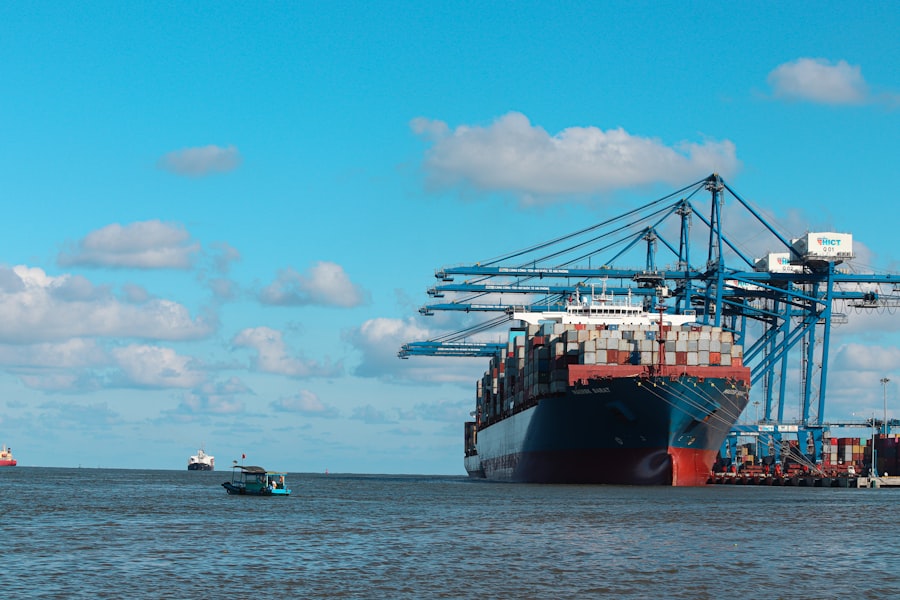
The role of an international logistics provider extends far beyond simply moving goods from point A to point B. They are increasingly involved in strategic aspects of your supply chain, contributing to your overall business success.
Inventory Management Optimization: Not Too Much, Not Too Little
Holding too much inventory ties up capital and increases storage costs. Holding too little can lead to stockouts and lost sales. Logistics providers can help optimize inventory levels through better forecasting, strategic warehousing, and efficient distribution.
Just-In-Time (JIT) and Vendor-Managed Inventory (VMI) Support
Many modern businesses operate on JIT principles, requiring precise delivery of components and finished goods exactly when needed. Logistics providers are essential in facilitating these complex operations, ensuring timely deliveries that align with your production schedules. They can also support VMI, where suppliers manage inventory levels at the customer’s location, requiring a deep understanding of both parties’ needs and sophisticated tracking.
Warehouse Network Design: Strategically Placed Hubs
Deciding where to store your goods to serve your customers efficiently is crucial. Providers can advise on and manage warehouse networks, optimizing locations for faster delivery, lower transportation costs, and better market access. This involves analyzing demand patterns and market demographics.
Technology and Visibility: Knowing Where Your Goods Are
In today’s digital age, real-time visibility of your supply chain is paramount. Reputable providers invest in sophisticated technology to offer this.
Advanced Tracking and Tracing Systems: Real-Time Updates
Modern logistics platforms provide comprehensive tracking and tracing capabilities, offering real-time updates on the location and status of your shipments. This visibility allows you to proactively manage customer expectations and address any potential issues before they escalate.
Data Analytics and Reporting: Insights for Improvement
Beyond just tracking, these systems generate valuable data about your supply chain performance. Logistics providers can use this data to identify trends, pinpoint inefficiencies, and provide actionable insights for continuous improvement, helping you make smarter business decisions.
Also visit our Facebook page.
Choosing the Right Partner: Not All Providers Are Created Equal
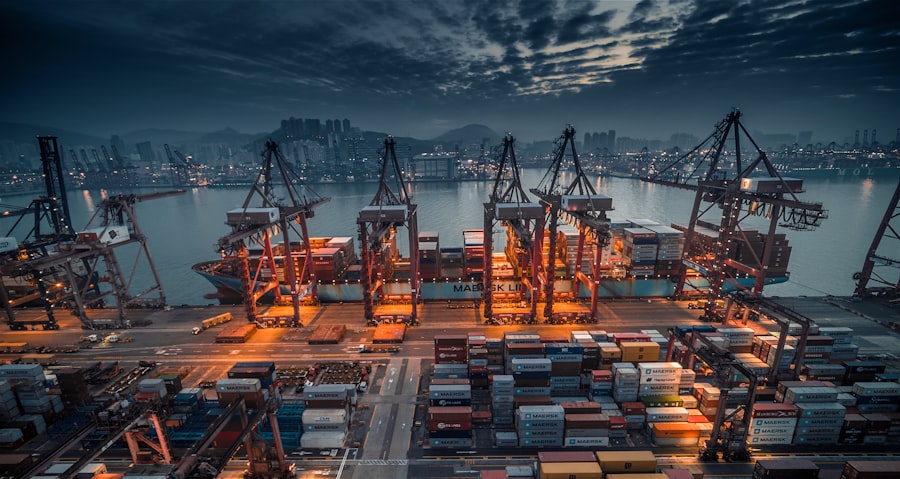
With so many options out there, selecting the right international logistics provider is a critical decision. It’s not a one-size-fits-all scenario.
Assessing Your Business Needs: A Self-Reflection Exercise
Before you even start looking, understand your specific requirements. What are you shipping? Where are you shipping to? What’s your budget? What are your priorities – speed, cost, or specialized handling?
Volume, Frequency, and Type of Goods: The Basics
Are you shipping high volumes of bulk goods, or smaller, niche items? Is it daily, weekly, or seasonal? Do you need specialized handling for temperature-sensitive or hazardous materials? These factors will narrow down your options.
Target Markets and Compliance Needs: Where and What Rules Apply
Understanding the specific regions you’re targeting is vital. Some providers have stronger networks or expertise in certain geographical areas or industries with unique compliance requirements.
Evaluating Provider Capabilities: Due Diligence is Key
Once you have a shortlist, dive deeper into what each provider offers.
Network Strength and Global Reach: Local Expertise Worldwide
Does the provider have a strong presence and reliable partners in your key markets? A truly global provider will have a robust network of agents and facilities across continents, offering localized knowledge and support.
Technological Infrastructure: Staying Connected and Informed
Inquire about their technology stack. Do they offer robust tracking, reporting, and inventory management tools? Is their system easy to integrate with your existing ERP or other business systems?
Customer Service and Communication: The Human Touch
Even with advanced technology, the human element is crucial. How responsive and helpful is their customer service team? A good provider will be proactive in their communication and readily available to address your concerns.
In the ever-evolving landscape of global trade, the role of an international logistics provider is becoming increasingly vital. As businesses seek to streamline their supply chains and enhance efficiency, many are turning to innovative solutions that leverage technology. A related article discusses how the future of freight forwarding is being shaped by digital transformation, highlighting the importance of adapting to new trends in logistics. For more insights on this topic, you can read the article here: the future of freight forwarding.
The Future of Global Logistics: Embracing Innovation and Sustainability
The world of logistics is constantly evolving, driven by technological advancements and a growing emphasis on sustainability. International logistics providers are at the forefront of these changes.
Embracing Digital Transformation: Smarter, Faster, More Transparent
Technology is revolutionizing how goods are moved. Companies are investing heavily in digital solutions.
Artificial Intelligence (AI) and Machine Learning (ML): Predictive Power
AI and ML are being used for demand forecasting, route optimization, and even predictive maintenance of transportation assets. This leads to greater efficiency and cost savings.
Internet of Things (IoT): Enhanced Tracking and Condition Monitoring
IoT sensors on containers and products provide real-time data on location, temperature, humidity, and even shock. This offers unprecedented transparency and allows for proactive intervention if conditions deviate from the norm.
The Green Logistics Imperative: Sustainability on the Move
There’s a growing expectation for businesses to operate sustainably, and logistics providers are playing a key role in reducing the environmental impact of global trade.
Electrification and Alternative Fuels: Cleaner Transportation
Logistics companies are exploring and adopting electric vehicles for last-mile delivery and investigating alternative fuels for long-haul transportation, such as hydrogen and sustainable biofuels.
Route Optimization for Reduced Emissions: Efficiency is Eco-Friendly
By optimizing routes and reducing unnecessary mileage, logistics providers directly contribute to lower fuel consumption and reduced carbon emissions. This is a win-win for the planet and the bottom line.
By partnering with an international logistics provider, you’re not just outsourcing a function; you’re gaining a strategic ally. They bring the expertise, the network, and the technology to navigate the complexities of global trade, allowing you to focus on what you do best – growing your business.




 ©2026 EXPERT CARGO INTERNATIONAL - All Rights Reserved - Powered by