

When it comes to moving goods over long distances, rail freight forwarding companies are crucial for making sure everything runs smoothly and efficiently. These companies essentially act as orchestrators, handling all the complex details involved in getting your cargo from point A to point B via rail. They bridge the gap between shippers and the railroad networks, offering specialized services that maximize efficiency and often save money.
Think of a rail freight forwarder as your logistics partner. They don’t own the trains or the tracks, but they do know how to navigate the intricate world of rail transportation. Their primary role is to coordinate and manage your shipments, making sure they comply with regulations, are properly documented, and arrive on time.
Why Not Go Directly to the Railroad?
While you could theoretically deal directly with a railroad company, it’s often not the most practical or efficient approach, especially for smaller businesses or those without extensive logistics departments. Railroads typically deal with very high volumes and might not offer the same level of personalized service or flexibility that a freight forwarder can. Forwarders also have access to multiple rail carriers, allowing them to find the best routes and rates for your specific needs.
Key Services Offered
A good rail freight forwarder provides a comprehensive suite of services. This usually includes route optimization, where they figure out the most efficient path for your goods, considering cost and transit time. They also handle all the nitty-gritty details like customs clearance for international shipments, ensuring all paperwork is in order. Plus, they can often arrange for intermodal transport, meaning your goods move seamlessly between different modes like truck, rail, and ship.
Rail freight forwarding companies play a crucial role in the logistics industry, especially in the context of an increasingly uncertain global economy. They not only facilitate the efficient movement of goods but also help businesses navigate complex supply chain challenges. For a deeper understanding of how freight forwarders add value in such a dynamic environment, you can read a related article at this link.
Choosing the Right Partner
With so many options out there, selecting the best rail freight forwarder can feel a bit overwhelming. It’s not just about finding the cheapest option; it’s about finding a partner who understands your specific needs and can consistently deliver.
Experience and Expertise
Look for companies with a solid track record in rail freight. Do they have extensive experience with the types of goods you’re shipping? Are they familiar with the routes you need? A forwarder with deep industry knowledge can anticipate potential issues and solve them before they become major problems. Industry certifications or memberships in relevant trade organizations can also be good indicators of their commitment to quality.
Network and Coverage
A strong network is essential. This means they should have good relationships with multiple rail carriers and, ideally, have offices or partners in the regions you’re shipping to and from. A broad network allows them to offer more flexible solutions and provide backup options if disruptions occur. Consider if they offer national or international coverage, depending on your needs.
Technology and Transparency
In today’s world, technology plays a huge role in efficient logistics. Does the forwarder offer robust tracking systems? Can you easily access real-time information about your shipments? Transparency in communication and reporting is key to building trust and ensuring you’re always in the loop. Look for online portals, automated updates, and clear communication channels.
Customer Service and Responsiveness
When things go wrong – and in logistics, sometimes they do – responsive customer service is invaluable. How easy is it to get in touch with them? Do they have dedicated account managers? A forwarder who is proactive in communicating potential delays and offering solutions is far more valuable than one who leaves you in the dark.
Top Global Rail Freight Forwarding Companies
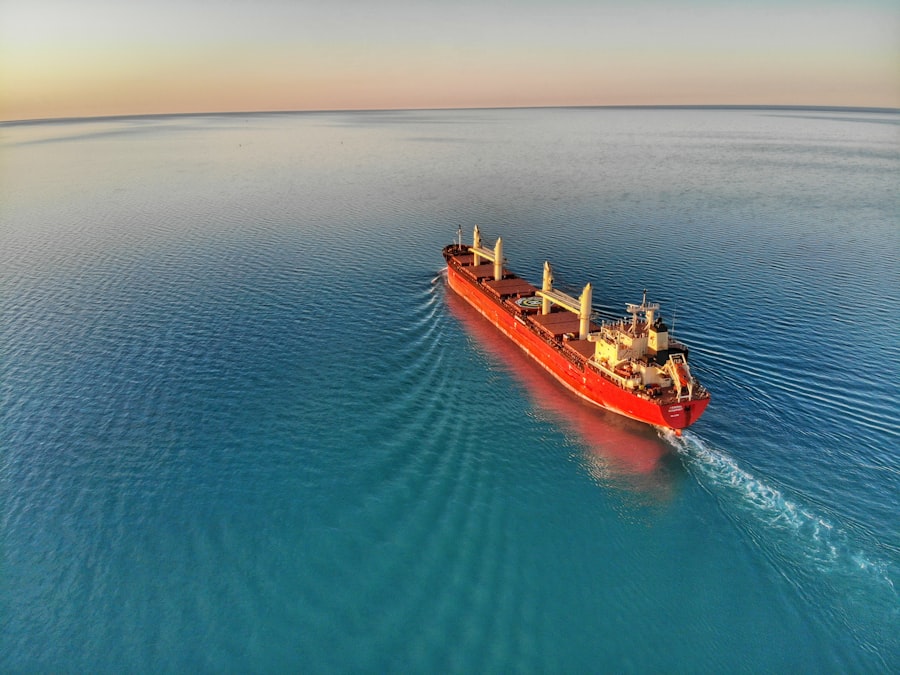
While “top” can be subjective and depend on specific needs, certain companies consistently stand out for their comprehensive services, global reach, and expertise in rail freight. Keep in mind that many large global logistics providers offer robust rail services as part of their broader portfolio.
DB Schenker
DB Schenker, part of Deutsche Bahn, is a global powerhouse in logistics. They have an extensive rail network, particularly strong in Europe, and offer a wide range of services including block train solutions, single wagon transport, and intermodal options. Their focus is on highly reliable and efficient services, often integrating land, air, and ocean freight. They leverage their vast network and experience to provide end-to-end solutions, and their digital tools for tracking and management are quite advanced. They’re particularly strong in handling bulk goods and industrial raw materials.
Kuehne+Nagel
Kuehne+Nagel is another logistics giant with a significant presence in rail freight. They offer tailored rail solutions across various continents, focusing on connecting major economic centers. Their strength lies in their global reach and their ability to integrate rail services with their sea and air freight operations, offering seamless multimodal solutions. They also place a strong emphasis on sustainability, offering eco-friendly rail options to help companies reduce their carbon footprint. Their technology platforms allow for detailed visibility and management of shipments.
CEVA Logistics
CEVA Logistics provides comprehensive rail freight services, often as a key component of their integrated supply chain solutions. They operate across continents, particularly strong in North America and leveraging the strategic advantages of rail for cost-effective long-haul transport. CEVA’s approach often involves combining rail with trucking for first and last-mile delivery, creating efficient door-to-door services. They are known for their flexible solutions and ability to handle diverse cargo types, including project cargo and dangerous goods, with a strong focus on safety and compliance.
Hellmann Worldwide Logistics
Hellmann brings a strong focus on customer-specific solutions to the rail freight forwarding space. Their global network allows them to offer diverse rail services, especially for transcontinental routes, such as the New Silk Road connecting Asia and Europe. Hellmann emphasizes sustainability in their rail offerings and customizes their services to meet distinct client requirements, whether it’s for express cargo or more conventional freight. Their personal approach and dedication to finding the best solution for each client set them apart, often providing more personalized attention than some larger competitors.
DSV Panalpina
DSV Panalpina, following its various acquisitions, has significantly bolstered its rail freight capabilities. They offer robust rail solutions across Europe, North America, and increasingly between Asia and Europe. Their strength lies in their ability to integrate rail services into complex supply chains, managing everything from short-haul intermodal movements to long-distance international transit. DSV’s extensive network and technological infrastructure enable efficient tracking and management, ensuring high visibility and reliability for their clients. They are also adept at handling specialized cargo and offering flexible capacity solutions.
Expeditors International
Expeditors relies on its extensive global network and advanced technology to provide effective rail freight solutions. While perhaps more widely known for air and ocean, their rail services are robust, particularly for intermodal shipments within North America and for connections across Europe and Asia. They excel in providing highly integrated logistics solutions, where rail is a key component of a larger supply chain strategy. Their focus on data-driven decision-making and operational excellence ensures efficient and reliable rail transport. They prioritize communication and technology to give clients comprehensive control and visibility over their shipments.
Also visit our Facebook page.
Benefits of Using Rail Freight Forwarders
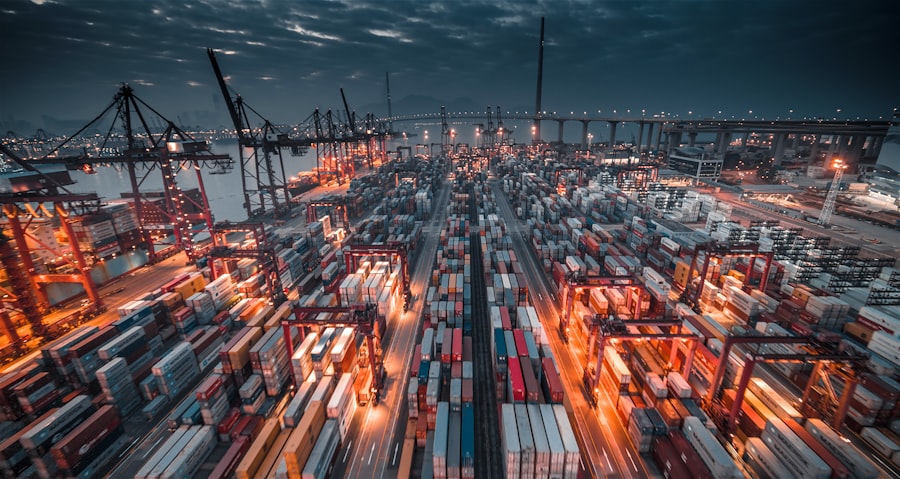
Partnering with a specialized rail freight forwarder brings a host of advantages that can significantly impact your business’s bottom line and operational efficiency.
Cost Savings
Rail freight is often more cost-effective than trucking for long-haul shipments, especially when dealing with heavy or bulky goods. Forwarders can further optimize these savings by consolidating shipments and negotiating better rates with carriers due to their volume. They can also identify the most economical routes and modes, minimizing your overall transportation expenses. This is particularly true when fuel prices are high, as rail transport is generally more fuel-efficient per ton-mile.
Environmental Friendliness
Compared to road transport, rail freight has a substantially smaller carbon footprint. Trains are more fuel-efficient and emit fewer greenhouse gases per ton-mile. For companies looking to improve their sustainability credentials and reduce environmental impact, choosing rail through a forwarder is a smart move. Many forwarders are also actively promoting “green” logistics solutions and can help you track your emissions savings.
Reliability and Capacity
Rail transport is generally less susceptible to traffic congestion, weather delays, and driver shortages compared to trucking. This often translates to more predictable transit times and increased reliability, especially for scheduled shipments. Moreover, trains have a massive capacity, allowing for the transportation of large volumes of goods in a single movement, which is ideal for bulk commodities or high-volume freight. This large capacity can also mean better availability during peak seasons when trucking capacity might be tight.
Reduced Risk of Damage
The controlled environment of a rail journey, with less handling compared to multiple truck transfers, can lead to a lower risk of product damage or theft. Containers are typically sealed and moved efficiently, minimizing exposure and human interaction. Forwarders can also advise on proper packaging and loading techniques to further safeguard your goods during transit.
Intermodal Solutions
Many rail freight forwarders excel at intermodal transport, seamlessly integrating rail with other modes like trucking or ocean shipping. This allows for door-to-door delivery, even if the primary long-haul leg is by rail. The forwarder manages all the transitions, ensuring smooth handoffs and minimizing potential delays or complications at interchange points. This comprehensive approach simplifies your logistics planning and execution.
Rail freight forwarding companies are increasingly focusing on sustainability as a key component of their operations. This shift is not only beneficial for the environment but also enhances their competitiveness in a market that values eco-friendly practices. For a deeper understanding of how sustainability is becoming a priority in the freight forwarding industry, you can read this insightful article on the topic. It highlights various strategies that companies are implementing to reduce their carbon footprint and improve efficiency. Check it out here: sustainability in freight forwarding.
Future Trends in Rail Freight
The rail freight industry is continually evolving, driven by technological advancements, global trade dynamics, and a growing emphasis on sustainability.
Digitalization and Automation
We’re seeing a push towards greater digitalization, with more sophisticated tracking systems, AI-powered route optimization, and digital documentation. Automation in yards and terminals is also becoming more common, increasing efficiency and reducing human error. This means better visibility for shippers and more streamlined operations overall. Expect more predictive analytics to improve scheduling and anticipate disruptions.
Sustainability Initiatives
The “green” aspect of rail freight will only become more prominent. Companies are actively seeking ways to reduce their supply chain emissions, and rail offers a highly effective solution. Freight forwarders will continue to invest in emission-reducing technologies and provide clearer reporting on environmental impact to their clients. Electrification of rail lines and the use of alternative fuels are areas of ongoing development.
Expansion of International Corridors
Routes like the New Silk Road connecting China and Europe are growing in importance, offering viable alternatives to sea and air freight for certain goods. Forwarders are instrumental in navigating the complexities of these multinational corridors, dealing with customs, different rail gauges, and varying regulations. As global trade shifts, these land bridges will likely play an even larger role.
Increased Intermodal Focus
The integration of rail with other transport modes will deepen. Forwarders will continue to innovate in creating true door-to-door solutions that leverage the strengths of each mode. This means more seamless transfers between trucks, trains, and ships, improving speed and efficiency while reducing costs. The “last mile” delivery component will also see more innovation to ensure smooth and timely receipt of goods.
Conclusion
Rail freight forwarding companies are indispensable partners in modern logistics. They streamline complex operations, offer cost-effective and environmentally friendly solutions, and provide the expertise needed to navigate the intricacies of rail transport. By carefully selecting a forwarder based on their experience, network, technology, and customer service, businesses can unlock significant efficiencies and competitive advantages in their supply chains. As the industry continues to evolve with digitalization and sustainability at its core, the role of these expert orchestrators will only become more critical.




 ©2026 EXPERT CARGO INTERNATIONAL - All Rights Reserved - Powered by