


Cross-border trucking in Europe is certainly undergoing a revolution, driven by a blend of technological advancements, evolving regulations, and a growing demand for efficiency. The essence of this shift is about making the movement of goods between European countries quicker, more transparent, and ultimately, more reliable than ever before. We’re seeing a move away from fragmented, country-specific approaches towards a more integrated and streamlined system that benefits businesses and consumers alike.
At the heart of this revolution is technology. It’s no longer just about GPS; we’re talking about a suite of digital tools that are fundamentally changing how logistics operations are planned, executed, and optimized.
Real-time Visibility and Tracking
Gone are the days of guessing where your shipment is. Real-time visibility platforms provide a precise, up-to-the-minute view of a truck’s location. This isn’t just about showing a dot on a map; it encompasses detailed information like estimated arrival times, potential delays, and even cargo conditions.
- Impact on Decision Making: Logistics managers can proactively address issues, reroute shipments if necessary, and keep clients informed with accurate updates, reducing anxiety and improving customer satisfaction. If there’s an unexpected road closure or a mechanical issue, they know immediately and can react strategically.
- Enhanced Security: Knowing where a truck is at all times adds a layer of security, discouraging theft and enabling rapid response in case of emergencies.
Predictive Analytics and AI
This is where things get really smart. AI and machine learning algorithms are crunching vast amounts of data – historical traffic patterns, weather forecasts, geopolitical events, and even fuel price fluctuations – to predict potential disruptions and optimize routes.
- Optimized Routing: AI can suggest the most efficient routes that minimize fuel consumption, avoid congestion, and adhere to driving hour regulations. It’s constantly learning and adapting, making each trip more efficient than the last.
- Demand Forecasting: By analyzing past order data and market trends, AI can help logistics providers anticipate fluctuating demand, allowing for better allocation of resources and prevention of capacity shortages. This can include predicting peak seasons for specific goods or identifying areas with increasing freight needs.
- Maintenance Schedules: AI can also monitor vehicle performance and predict potential mechanical failures, allowing for proactive maintenance rather than reactive repairs, minimizing costly downtime.
Automated Documentation and Customs Procedures
Paperwork has always been a major bottleneck in cross-border logistics. Digitalization is streamlining this process, making it faster and less prone to errors.
- Electronic Customs Declarations: Many countries are moving towards fully electronic customs systems, drastically reducing processing times. This involves submitting forms digitally and often allows for pre-clearance, meaning fewer delays at the border.
- Blockchain for Data Integrity: While still emerging, blockchain technology holds promise for creating unchangeable records of shipments, ownership transfers, and compliance data, further enhancing security and transparency across the supply chain. This could reduce disputes and speed up audits.
Cross-border trucking in Europe is a vital component of the continent’s logistics and supply chain operations, facilitating the movement of goods across various countries. For those interested in understanding the broader implications of logistics in Europe, a related article titled “The Future of Freight Forwarding: Embracing Digital Transformation” provides valuable insights into how technology is reshaping the industry. You can read the article here: The Future of Freight Forwarding.
Navigating the Regulatory Landscape: Harmonization and Challenges
Europe’s rich tapestry of nations means a diverse regulatory environment. While there’s a strong drive towards harmonization, understanding the nuances is crucial for seamless cross-border operations.
EU Mobility Package: A Game Changer
The EU Mobility Package, fully implemented in 2022, was a significant overhaul of trucking regulations. It aimed to improve working conditions for drivers and ensure fair competition, but it also introduced complexities.
- Return to Base Rules: Trucks are now generally required to return to the Member State of establishment every eight weeks. This impacts routing and capacity planning, potentially leading to empty runs if not managed carefully.
- Cabotage Restrictions: Stricter rules on cabotage (transport operations carried out by a non-resident haulier in a host Member State) limit how many consecutive operations can be performed within a foreign country before the truck must return home.
- Driving and Resting Times: The package reinforced and clarified rules on driving and resting times, including mandatory resting periods for drivers, which requires careful planning of routes and driver rotations.
- Tachograph Requirements: Smart tachographs, digital devices that record driving and resting times, are becoming mandatory, offering more precise data and reducing opportunities for fraud. They automatically record border crossings and loading/unloading activities.
Brexit’s Enduring Impact
While not a typical cross-border challenge within the EU, Brexit has created a new, significant border for UK-EU trade, adding layers of bureaucracy and complexity that still impact European logistics.
- Customs Checks and Documentation: Goods moving between the UK and the EU now require full customs declarations, health certificates for certain products, and origin declarations, leading to increased administrative burden and potential delays.
- Border Infrastructure Pressure: New border inspection posts and increased checks at ports have sometimes led to queues and longer transit times, particularly for perishable goods.
- Driver Shortages: The loss of EU drivers in the UK and the new customs procedures have exacerbated existing driver shortages, creating capacity crunches on certain routes.
Environmental Regulations and Sustainability Goals
The EU has ambitious climate targets, and the logistics sector is under increasing pressure to reduce its environmental footprint.
- Emissions Standards: Stricter Euro emission standards for new vehicles are pushing carriers to invest in cleaner fleets, including electric and hydrogen trucks as they become viable.
- Carbon Pricing and Road Tolls: Many European countries are implementing carbon pricing mechanisms and road tolls that factor in emissions, incentivizing the use of more eco-friendly vehicles and efficient routing.
- Modal Shift Initiatives: There’s a push to shift freight from road to rail or inland waterways where feasible, particularly for long-haul routes, to reduce emissions and road congestion.
Efficiency on the Road: Optimizing Operations
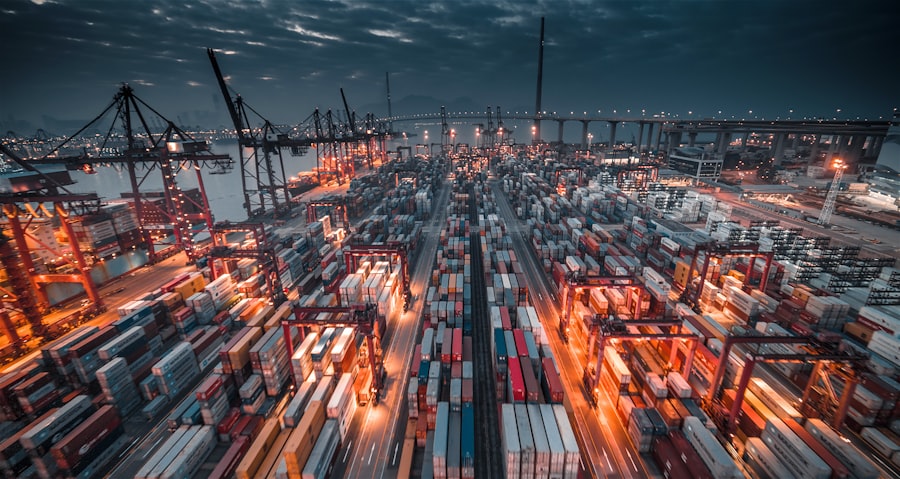
Beyond regulations and technology, operational efficiency is key to a thriving cross-border logistics network. This means getting smarter about how trucks are loaded, driven, and managed.
Consolidation and Groupage Services
Especially for smaller shipments, consolidating multiple shipments from different senders into a single truck can dramatically improve efficiency and reduce costs.
- Reduced Empty Runs: Instead of several half-empty trucks crisscrossing Europe, one fully loaded truck can transport goods for multiple clients, optimizing space and fuel consumption.
- Cost Savings: By sharing space, individual businesses pay less for transport than they would for dedicated full truckload services.
- Environmental Benefits: Fewer trucks on the road mean lower overall emissions and reduced congestion.
Dynamic Route Optimization
Building on the power of AI, dynamic route optimization goes beyond simply finding the shortest path. It’s about adapting to real-time conditions.
- Traffic Avoidance: Systems constantly monitor live traffic data and reroute trucks around accidents or congestion hotspots, saving time and fuel.
- Weather Considerations: Roads become treacherous in adverse weather. Dynamic routing can suggest alternative paths that avoid severe weather conditions, ensuring safety and schedule adherence.
- Time-Sensitive Deliveries: For critical shipments, the system prioritizes speed, even if it means a slightly longer route, to meet strict deadlines.
Driver Management and Well-being
A well-rested, motivated driver is an efficient driver. Technology is playing a role in supporting driver well-being and optimizing their schedules.
- Digital Tachographs: These devices make it easier for drivers to comply with driving and rest time regulations, preventing fatigue and ensuring safety.
- Optimized Schedules: Planning tools consider maximum driving hours and mandatory breaks when creating routes, minimizing stress for drivers and ensuring compliance.
- Communication Tools: In-cab communication systems allow drivers to easily report issues or receive updates, improving their sense of support and reducing isolation.
Also visit our Facebook page.
Collaborative Logistics: Sharing and Connecting

The fragmented nature of European logistics has historically been a barrier. Collaboration is emerging as a powerful tool to overcome these challenges.
Freight Exchange Platforms
Online platforms that connect shippers with available carriers are transforming how freight is booked and transported.
- Increased Capacity Utilization: Carriers can easily find backloads, reducing empty mileage and generating additional revenue.
- Broader Carrier Network: Shippers gain access to a larger pool of carriers, potentially finding more competitive rates and specialized services.
- Market Transparency: These platforms introduce greater transparency in pricing and availability, empowering both parties.
Logistics Hubs and Cross-Docking Operations
Strategic placement of logistics hubs, often near major transportation arteries or industrial zones, allows for efficient consolidation and deconsolidation of goods.
- Reduced Transit Times: Instead of individual trucks delivering directly to many locations, goods are brought to a hub, sorted, and then dispatched on localized routes, speeding up last-mile delivery.
- Optimized Inventory Management: Hubs can serve as temporary storage points, reducing the need for extensive warehousing at each individual business.
- Cross-Docking Efficiency: Goods are moved directly from incoming to outgoing trucks with minimal storage, streamlining the flow and reducing handling costs.
Industry Alliances and Partnerships
Logistics providers are increasingly forming partnerships to offer a more seamless and comprehensive service across Europe.
- Expanded Network Reach: Smaller carriers can tap into the networks of larger partners, offering services in regions where they don’t have a direct presence.
- Shared Resources: Partners can share warehousing space, fleet capacity, and even expertise, creating economies of scale.
- Integrated Solutions: These alliances can offer end-to-end solutions, simplifying the logistics process for clients who would otherwise have to deal with multiple providers.
Cross-border trucking in Europe plays a crucial role in facilitating trade and logistics across the continent. As businesses navigate the complexities of international transportation, understanding how freight forwarders can enhance efficiency becomes essential. For insights on this topic, you can explore a related article that discusses how these professionals add value in an uncertain global economy. This information can be found in the article here, which highlights the importance of strategic partnerships in the logistics sector.
The Future Landscape: What’s Next for Cross-Border Trucking?
The revolution is far from over. Several emerging trends are set to further reshape the European logistics landscape.
Autonomous and Platoon Trucking
While still in the testing phases, self-driving trucks and platooning (where multiple trucks drive in close convoy with the lead truck controlling acceleration and braking) promise significant changes.
- Increased Efficiency: Autonomous trucks could operate longer hours without driver fatigue, and platooning reduces aerodynamic drag, saving fuel.
- Driver Shortage Mitigation: As driver shortages continue to be an issue, autonomous technology could help fill the gap, particularly for long-haul routes.
- Safety Improvements: Removing human error from the equation has the potential to drastically reduce accidents caused by fatigue or distraction.
Alternative Fuels and Electrification
The push for greener logistics will accelerate the adoption of alternative fuel sources beyond diesel.
- Electric Trucks: With improving battery technology and charging infrastructure, electric trucks are becoming a viable option for shorter and medium-haul routes, especially in urban areas.
- Hydrogen Fuel Cell Trucks: For longer distances, hydrogen fuel cells offer a promising zero-emission solution, though infrastructure development is still a hurdle.
- Biofuels: Sustainable biofuels offer a bridge solution as electric and hydrogen technologies mature, reducing emissions from existing fleets.
Hyperloop and Advanced Rail Networks
While perhaps more futuristic, high-speed cargo networks like Hyperloop or expanded, dedicated freight rail lines could offer compelling alternatives for very long-distance, time-sensitive shipments.
- Ultra-Fast Transit: Hyperloop promises speeds significantly faster than traditional rail or road, opening up new possibilities for just-in-time delivery across continents.
- Reduced Road Congestion: Shifting bulk freight to advanced rail systems would alleviate pressure on European roads.
- Environmental Benefits: These modes of transport are generally more energy-efficient and produce fewer emissions per tonne-kilometer than trucking.
Cross-border trucking in Europe is in a dynamic phase, constantly evolving to meet the demands of a globalized economy. It’s a complex interplay of innovation, regulation, and collaboration, all aimed at delivering goods more reliably and sustainably than ever before.




 ©2026 EXPERT CARGO INTERNATIONAL - All Rights Reserved - Powered by