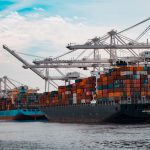


Air cargo is a critical, though often unseen, component of the global economy. It facilitates the movement of goods that are time-sensitive, valuable, or require specific handling. Air Cargo Inc. operates within this demanding sector, providing transportation solutions for businesses worldwide.
The Dynamics of Air Freight
Air freight’s appeal lies in its speed. When supply chains demand rapid delivery, such as for perishable goods, electronics, or urgent spare parts, air transport offers a significant advantage over sea or land.
Speed as a Commodity
The primary differentiator for air cargo is transit time. Reduced delivery periods can lead to lower inventory costs for businesses and faster market entry for products. This speed, however, comes at a higher cost compared to other modes of transport.
Global Reach
Airports act as international gateways, connecting distant markets swiftly. This extensive network is essential for companies operating in multiple countries, enabling them to maintain lean supply chains across continents.
Air Cargo Inc. is at the forefront of the logistics industry, adapting to the ever-evolving landscape of freight transportation. A related article that explores the future of freight forwarding and the importance of embracing digital transformation can be found at this link. This article discusses how technological advancements are reshaping the industry, making it essential for companies like Air Cargo Inc. to innovate and enhance their services to meet the demands of modern supply chains.
Operational Complexities in Air Cargo
Moving freight by air involves a intricate network of processes, regulations, and technologies. Air Cargo Inc., like its counterparts, navigates these complexities daily.
Regulatory Frameworks
International air cargo is governed by a multitude of regulations from bodies like the International Air Transport Association (IATA) and the International Civil Aviation Organization (ICAO). These regulations cover everything from dangerous goods handling to security protocols, mandating strict compliance across the board.
Dangerous Goods Classification
Certain items, due to their nature, pose risks during air transport. These “dangerous goods” are categorized and require specific packaging, labeling, and documentation to ensure safety. Improper handling can result in severe penalties and safety hazards.
Security Screening
Post-9/11, air cargo security intensified globally. All cargo is subject to screening protocols, which can include X-ray inspections, physical searches, and sniffers, to prevent illicit materials from entering the air transport system.
Customs Clearance
Each country has its own customs procedures. Efficient customs clearance is vital to avoid delays and storage charges. This often involves pre-filing documentation and adherence to specific import/export regulations.
Documentation Accuracy
Inaccurate or incomplete documentation is a common cause of customs delays. Bills of lading, airway bills, commercial invoices, and packing lists must meticulously reflect the cargo’s contents, value, and origin/destination.
Tariff Codes and Duties
Correct classification of goods using Harmonized System (HS) codes is crucial for calculating applicable duties and taxes. Misclassification can lead to fines or re-evaluations, disrupting delivery schedules.
Technology and Innovation in Air Cargo
The air cargo industry is increasingly leveraging technology to improve efficiency, transparency, and security. Digitalization is a key driver of modern air freight operations.
Digital Tracking and Visibility
Customers require real-time information about their shipments. Air Cargo Inc. employs tracking systems that provide updates from pick-up to delivery, enhancing transparency and allowing for proactive problem-solving.
GPS and Telematics Integration
Integration of GPS and telematics into ground operations provides granular detail on internal movements, allowing for better resource allocation and minimizing idle time.
Predictive Analytics for Route Optimization
Analyzing historical data and current conditions helps in optimizing flight routes and truck schedules, reducing fuel consumption and improving delivery times.
Automation in Warehousing
Modern cargo terminals are adopting automation to speed up handling processes and reduce human error.
Automated Storage and Retrieval Systems (AS/RS)
AS/RS systems efficiently manage warehouse space, automatically storing and retrieving cargo units, thereby increasing throughput and reducing labor costs.
Robotic Process Automation (RPA)
RPA is used to automate repetitive administrative tasks, such as data entry for customs declarations or booking confirmations, freeing up human resources for more complex tasks.
Electronic Data Interchange (EDI)
EDI facilitates the seamless exchange of information between different parties in the supply chain – shippers, airlines, customs authorities, and freight forwarders – standardizing communication and reducing manual data input.
Also visit our Facebook page.
Challenges and Adaptations in the Air Cargo Market
The air cargo industry faces a dynamic environment shaped by geopolitical events, economic fluctuations, and evolving customer expectations.
Capacity Management
Airline belly capacity (cargo carried in passenger planes) typically accounts for a significant portion of air cargo. Fluctuations in passenger travel, such as during the COVID-19 pandemic, directly impact available cargo space, leading to volatile pricing and capacity shortages.
Freighter Operations
Dedicated cargo aircraft (freighters) provide more stable and predictable capacity, particularly for oversized or specialized cargo. However, their operation comes with higher fixed costs.
Charter Services
For urgent, out-of-gauge, or high-value shipments, chartering an entire aircraft is an option, offering flexibility and direct routing, albeit at a premium price.
Fuel Price Volatility
Jet fuel is a significant operational expense for airlines. Fluctuations in oil prices directly impact air freight rates, often leading to surcharges that are passed on to customers.
Fuel Hedging Strategies
Airlines often employ hedging strategies to mitigate the impact of sudden fuel price increases, aiming for more predictable operating costs.
Sustainability Initiatives
There is increasing pressure on the air cargo industry to reduce its environmental footprint. This includes efforts to use more fuel-efficient aircraft, optimize flight paths, and invest in sustainable aviation fuels (SAFs).
Carbon Offsetting Programs
Some companies offer carbon offsetting options, allowing clients to financially contribute to environmental projects to mitigate the emissions associated with their shipments.
Investment in SAFs
The development and adoption of Sustainable Aviation Fuels are crucial for long-term decarbonization goals. While currently limited in supply and higher in cost, research and investment in SAFs are growing.
Air Cargo Inc. is increasingly focusing on sustainability practices to enhance its operations and reduce its environmental impact. A related article discusses the growing priority of sustainability in the freight forwarding industry, highlighting innovative strategies and technologies being adopted. For more insights on this important topic, you can read the article on sustainability in freight forwarding here. This shift towards eco-friendly practices is not only beneficial for the planet but also aligns with the evolving expectations of customers and stakeholders.
The Role of Air Cargo Inc. in the Supply Chain
Air Cargo Inc. positions itself as a facilitator of global trade, connecting businesses with markets and ensuring the timely delivery of goods.
Freight Forwarding Services
Beyond simply transporting goods, Air Cargo Inc. offers comprehensive freight forwarding services, handling the entire logistics process on behalf of its clients.
Multi-Modal Solutions
For shipments that require a combination of transport modes, Air Cargo Inc. can integrate air, sea, land, and rail freight to optimize cost and transit time, depending on the client’s needs.
Warehousing and Distribution
Complementary services such as warehousing, inventory management, and last-mile distribution are often provided, offering a complete supply chain solution from origin to destination.
Specialized Cargo Handling
Certain types of cargo require specific expertise and equipment. Air Cargo Inc. provides specialized services for temperature-controlled goods, oversized items, and hazardous materials.
Cold Chain Logistics
Perishable goods, pharmaceuticals, and certain chemicals require strict temperature control throughout their journey. Air Cargo Inc. utilizes specialized containers, monitoring systems, and trained personnel for these sensitive shipments.
Out-of-Gauge Shipments
For cargo exceeding standard dimensions, special handling procedures, larger aircraft, and sometimes dismantling/reassembly are required. This necessitates meticulous planning and coordination.
Client-Centric Approach
Understanding client requirements is fundamental. Air Cargo Inc. works to develop solutions tailored to individual business needs, recognizing that each supply chain presents unique challenges. This involves detailed consultation, transparent communication, and adaptable service offerings.




 ©2026 EXPERT CARGO INTERNATIONAL - All Rights Reserved - Powered by