

Sea shipments form the backbone of global trade, moving vast quantities of goods across oceans. For businesses, understanding how to navigate this complex system efficiently and reliably is paramount to success. This guide outlines key considerations and best practices for managing ocean freight.
Ocean shipping, while cost-effective for bulk goods, requires careful planning. Several factors influence its speed, cost, and reliability.
Types of Sea Freight Containers
The standard for international shipping is the intermodal container. Different sizes and types cater to various cargo needs.
Standard Dry Containers
These are the most common, suitable for general cargo. They come in 20-foot and 40-foot lengths, with the 40-foot offering significantly more volume. Dimensions are standardized, but internal usable space can vary slightly due to wall thickness. Weight limits are crucial; exceeding them incurs penalties and safety risks.
High-Cube Containers
Identical in footprint to standard containers, high-cube versions offer increased height. This extra vertical space is beneficial for lighter, bulkier goods that can fill the volume without reaching weight limitations.
Refrigerated Containers (Reefers)
Essential for perishable goods like food, pharmaceuticals, and certain chemicals, reefers maintain precise temperature control. They are more expensive to lease and operate due to their power requirements. Temperature settings, ventilation, and monitoring are critical.
Specialized Containers
For oversized, heavy, or oddly shaped cargo, specialized containers are necessary.
Open-Top Containers
These have a removable roof, allowing for loading from above using cranes. They are useful for cargo that cannot be loaded through standard doors.
Flat-Rack Containers
These have no side walls or roof, offering a platform for very large or heavy equipment, vehicles, or construction materials. Cargo is secured using lashing points.
Tank Containers
Used for transporting liquids and gases, these containers are essentially ISO tank frames with a cylindrical tank inside. They are designed to handle hazardous and non-hazardous bulk liquids.
Key Shipping Terms and Documentation
Familiarity with industry terminology and required documents is essential to avoid misunderstandings and delays.
Incoterms
International Commercial Terms (Incoterms) define the responsibilities of buyers and sellers in international transactions. They clarify who is responsible for costs, risks, and insurance at each stage of the shipment.
EXW (Ex Works)
The seller makes goods available at their premises. The buyer bears all costs and responsibilities from this point forward. This offers the buyer maximum control but also maximum responsibility.
FOB (Free On Board)
The seller is responsible for delivering the goods to the named port of shipment. Once on board the vessel, the risk and cost transfer to the buyer. This is a common and well-understood term.
CIF (Cost, Insurance, and Freight)
The seller arranges and pays for the cost of the goods, insurance, and freight to the named port of destination. The risk transfers to the buyer once the goods are on board the vessel at the port of origin.
DDP (Delivered Duty Paid)
The seller is responsible for all costs and risks, including import duties and taxes, until the goods are delivered to the buyer’s specified destination. This is the most comprehensive term for the buyer.
Bill of Lading (B/L)
This is a crucial document issued by the carrier to the shipper. It serves as a receipt for the shipment, a contract of carriage, and, in some cases, a document of title.
Straight Bill of Lading
This indicates that the goods are consigned to a specific party and is not negotiable.
Order Bill of Lading
This document is negotiable and can be transferred to a third party, often requiring endorsement. It is typically used when payment is made via a letter of credit.
Commercial Invoice and Packing List
The commercial invoice details the transaction between buyer and seller, including goods description, quantity, price, and terms of sale. The packing list provides a detailed inventory of the contents of each package, aiding in customs clearance and verification.
In the ever-evolving landscape of global trade, the importance of sustainability in sea shipments cannot be overstated. As companies strive to reduce their carbon footprint, innovative practices in freight forwarding are becoming a growing priority. For a deeper understanding of how sustainability is shaping the logistics industry, you can read the related article on this topic at Sustainability in Freight Forwarding: A Growing Priority. This article explores the various strategies being implemented to enhance environmental responsibility within the shipping sector.
Choosing the Right Shipping Method and Carrier
The selection of shipping method and carrier significantly impacts cost, transit time, and service quality.
Full Container Load (FCL) vs. Less Than Container Load (LCL)
The decision between FCL and LCL depends on the volume of goods being shipped.
Full Container Load (FCL)
When a single shipper’s goods can fill an entire container (20ft, 40ft, or high-cube), FCL is usually the most efficient and cost-effective option. The shipper has exclusive use of the container, reducing handling and the risk of damage or delay from other cargo. Transit times are generally more predictable.
Less Than Container Load (LCL)
For smaller shipments that do not fill a full container, LCL is used. Multiple shippers’ goods are consolidated into a single container by a freight forwarder or consolidator. While it reduces per-unit shipping costs for smaller volumes, LCL shipments involve more handling, potential delays due to consolidation and deconsolidation, and a higher risk of damage. Tracking can also be more complex.
Selecting a Shipping Carrier or Freight Forwarder
Navigating the carrier landscape or engaging a freight forwarder requires due diligence.
Shipping Lines
These are the companies that own and operate the vessels. They offer direct services on specific routes. Choosing a reputable shipping line with a strong presence on your desired trade lanes is important for reliability.
Freight Forwarders
Freight forwarders act as intermediaries, arranging and managing shipments on behalf of their clients. They have expertise in logistics, customs, documentation, and can negotiate better rates due to their volume. They can also consolidate LCL shipments and manage complex multi-modal transport.
NVOCCs (Non-Vessel Operating Common Carriers)
NVOCCs function similarly to freight forwarders but often issue their own bills of lading, effectively acting as carriers without owning vessels. They specialize in ocean freight and can offer competitive pricing and specialized services.
Factors to Consider When Selecting a Partner
Beyond cost, several factors determine the best partner.
Route and Transit Times
Consider the directness of routes and typical transit times offered. Longer transit times can impact inventory management and lead times for customers.
Service Reliability and On-Time Performance
Past performance is a good indicator. Inquire about their track record for on-time arrivals and departures. Unreliable carriers can cause significant disruptions.
Customer Service and Communication
Effective communication is vital. A responsive partner who provides regular updates and is available to address issues can prevent or mitigate problems.
Cargo Insurance and Risk Management
Understand what insurance is provided and what additional coverage may be necessary. The carrier’s liability is often limited, making cargo insurance a prudent investment.
Understanding Customs Clearance and Regulations
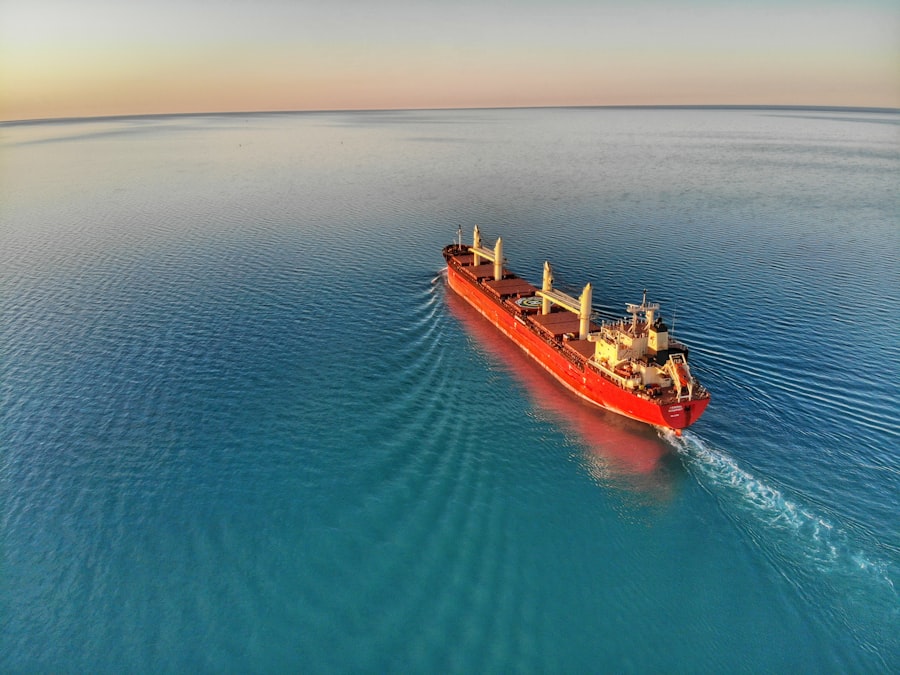
Customs procedures are a critical hurdle in international shipping. Non-compliance leads to delays and penalties.
Import and Export Documentation Requirements
Accurate and complete documentation is non-negotiable.
Customs Declarations
These formal declarations provide customs authorities with information about the goods being imported or exported. They include details like Harmonized System (HS) codes, value, quantity, and origin.
Certificates of Origin
Required by many countries to determine tariff rates and enforce trade agreements, certificates of origin verify where the goods were manufactured.
Specific Permits and Licenses
Certain goods, such as agricultural products, pharmaceuticals, or hazardous materials, may require special import or export permits and licenses from relevant government agencies.
Harmonized System (HS) Codes
The HS code is an internationally standardized system of names and numbers to classify traded products. It is used by customs authorities worldwide to identify products and determine applicable duties and taxes.
Accurate Classification
Incorrect HS code classification is a common cause of customs delays and fines. It is essential to correctly identify the HS code for each item in a shipment. Resources like the World Customs Organization (WCO) website and national customs authorities can assist.
Duty and Tax Implications
The HS code dictates the import duties and taxes levied by the destination country. Understanding these rates upfront is crucial for accurate costing and pricing.
Partnering with a Customs Broker
For complex shipments or when dealing with unfamiliar customs regulations, a licensed customs broker is invaluable.
Expertise and Efficiency
Customs brokers are experts in customs laws and procedures. They can ensure all documentation is accurate and submitted on time, expediting the clearance process.
Navigating Regulations
They stay updated on changing regulations and can advise on compliance requirements, reducing the risk of errors and penalties.
Also visit our Facebook page.
Managing Costs and Budgeting for Sea Shipments

Ocean freight costs can be complex, involving various components beyond the basic freight rate.
Identifying Cost Components
A thorough understanding of all potential charges is essential for accurate budgeting.
Freight Rate
This is the base cost for transporting the goods from origin to destination, typically quoted per container or per cubic meter/ton for LCL.
Terminal Handling Charges (THC)
These are charges levied by ports for handling containers at the terminal, both at origin (Origin THC) and destination (Destination THC).
Bunker Adjustment Factor (BAF) and Currency Adjustment Factor (CAF)
BAF accounts for fluctuations in fuel prices, while CAF addresses currency exchange rate volatility. These are surcharges that can change frequently.
Other Surcharges
This can include various fees such as port congestion surcharges, security fees, peak season surcharges, and others, depending on the route and carrier.
Customs Duties and Taxes
These are levied by the importing country’s government based on the value and classification of the goods.
Insurance Premiums
The cost of insuring the cargo against loss or damage during transit.
Strategies for Cost Optimization
Several strategies can help reduce overall shipping expenses.
Negotiating Freight Rates
For regular and significant volumes, engage directly with carriers or work with freight forwarders who have strong negotiating power to secure competitive rates.
Optimizing Container Usage
Maximizing the fill rate of FCL containers helps reduce per-unit costs. Proper packing and load planning are key. For LCL, evaluate if consolidating shipments or waiting for a larger volume to make an FCL shipment more economical.
Early Booking
Booking shipments well in advance, especially during peak seasons, can often secure lower rates and better availability.
Comparing Quotes
Obtain quotes from multiple carriers and freight forwarders, comparing not only the base rate but also all associated surcharges and included services.
Route and Mode Optimization
Sometimes, choosing a slightly longer but less congested route or a different carrier can lead to cost savings.
As the logistics industry continues to evolve, the importance of digital transformation in sea shipments cannot be overstated. Companies are increasingly adopting innovative technologies to streamline their operations and enhance efficiency. For a deeper understanding of how these advancements are shaping the future of freight forwarding, you can explore this insightful article on the topic. It highlights the critical role of digital solutions in optimizing shipping processes and improving overall service delivery. You can read more about it in this related article.
Mitigating Risks and Ensuring Shipment Security
Protecting cargo from damage, loss, and theft is a primary concern.
Cargo Insurance: An Essential Safeguard
While not always mandatory, cargo insurance provides financial protection against unforeseen events.
Understanding Coverage
Coverage typically extends from the point of origin to the point of destination, covering risks like fire, theft, piracy, natural disasters, and accidents. Different policies offer varying levels of protection.
Claim Process
Familiarize yourself with the claim submission process and required documentation in case of damage or loss. Prompt reporting is crucial.
Best Practices for Securing Cargo
Proper packing and securing methods are vital to prevent damage during transit.
Robust Packaging
Use strong, durable packaging materials appropriate for the cargo and the stresses of ocean transit. Double-boxing or using internal cushioning can add protection.
Proper Loading and Lashing
Ensure containers are loaded evenly to distribute weight and prevent shifting. Secure cargo using appropriate lashing straps, dunnage, and blocking to prevent movement within the container.
Container Seals and Tamper-Evident Tape
Use high-security seals on containers and document the seal numbers. Tamper-evident tape can also be used on individual packages as an additional layer of security.
Monitoring and Tracking Shipments
Real-time visibility is crucial for managing expectations and responding to potential issues.
Utilizing Tracking Technologies
Most carriers and freight forwarders offer online tracking systems. Utilize GPS trackers for high-value or time-sensitive shipments, providing enhanced visibility and security.
Proactive Communication with Stakeholders
Regularly update all involved parties – including the shipper, consignee, and any customs brokers – on the shipment’s progress and any potential delays.
By understanding these fundamental aspects, businesses can approach sea shipments with greater confidence, leading to more efficient, reliable, and cost-effective global logistics operations.




 ©2026 EXPERT CARGO INTERNATIONAL - All Rights Reserved - Powered by