


Air Cargo Transport Services Inc., often referred to as ACTS, is a global logistics provider specializing in air freight solutions. Established in 1985, the company has grown from a regional carrier to an international entity, facilitating the movement of goods across continents. ACTS positions itself as a critical link in the global supply chain, offering a suite of services designed to meet diverse shipping requirements.
ACTS commenced operations with a focus on domestic air cargo in North America. The early years were characterized by the establishment of a foundational network and the acquisition of a small fleet of cargo aircraft.
Early Milestones
- 1985: Foundation of Air Cargo Transport Services Inc. in Delaware, USA.
- 1987: Expansion into key North American markets, establishing hubs in Chicago and Atlanta.
- 1990: Introduction of express delivery services, offering expedited shipping options for time-sensitive cargo.
International Expansion
The 1990s marked a period of significant international growth for ACTS. Recognizing the increasing globalization of trade, the company began to forge partnerships with international airlines and freight forwarders.
- 1995: Inauguration of transatlantic routes, connecting North America with Europe.
- 1998: Establishment of its first Asian hub in Hong Kong, capitalizing on the burgeoning manufacturing sector in the region.
- 2002: Entry into the Latin American market, focusing on countries with strong economic ties to North America.
Technological Integration
The turn of the millennium saw ACTS invest heavily in technology to enhance its operational capabilities and customer service. This included the implementation of advanced tracking systems and digital booking platforms.
- 2005: Launch of a proprietary cargo management software, allowing real-time tracking of shipments.
- 2008: Development of an online portal for customers to manage bookings, generate shipping documents, and access reports.
- 2012: Adoption of AI-powered predictive analytics for route optimization and capacity planning, aiming to reduce transit times and improve efficiency.
Air cargo transport services are evolving rapidly, and staying informed about industry trends is crucial for businesses relying on these services. A related article that delves into the future of freight forwarding and the importance of embracing digital transformation can be found at this link. This article discusses how technology is reshaping logistics and enhancing efficiency in air cargo transport, making it a valuable read for anyone interested in the sector.
Core Services
ACTS offers a comprehensive range of air cargo transport services, catering to various industries and shipment types. These services are designed to provide flexibility and reliability in a dynamic global trade environment.
Standard Air Freight
Standard air freight services are the bedrock of ACTS’s operations, offering a cost-effective solution for a wide range of goods that do not require expedited delivery. This service typically involves transit times of 3-7 business days, depending on the origin and destination.
- Consolidation: ACTS often consolidates multiple smaller shipments into a single larger consignment to optimize space utilization on aircraft and reduce costs for clients.
- Door-to-Airport/Airport-to-Door: This flexible service allows clients to choose the most convenient handover points for their cargo.
- Customs Clearance Assistance: ACTS provides guidance and support in navigating the complexities of international customs regulations, helping to ensure smooth transitions across borders.
Express and Time-Critical Services
For shipments that demand rapid transit, ACTS offers express and time-critical services. These are designed for urgent deliveries where delays can have significant financial or operational implications.
- Next-Flight-Out (NFO): This service ensures that cargo is placed on the next available flight to its destination, minimizing transit time. It is often utilized for critical parts, medical supplies, or urgent documents.
- Dedicated Charters: When standard airline schedules do not meet specific requirements, ACTS can arrange dedicated charter flights, providing exclusive use of an aircraft for a particular shipment. This is particularly useful for oversized cargo or highly sensitive goods.
- On-Board Courier (OBC): For exceptionally critical or high-value items, an ACTS courier can personally accompany the shipment, ensuring its security and expedited delivery directly to the recipient.
Specialized Cargo Handling
Certain types of cargo require specific handling procedures due to their nature, size, or regulatory requirements. ACTS has developed specialized services to accommodate these unique needs.
- Temperature-Controlled Logistics: This service is essential for products sensitive to temperature fluctuations, such as pharmaceuticals, perishable foods, and certain chemicals. ACTS utilizes specialized containers and climate-controlled facilities to maintain required temperatures throughout transit.
- Hazardous Materials (HAZMAT): The transportation of hazardous materials is governed by strict international regulations. ACTS employs trained personnel and adheres to IATA (International Air Transport Association) dangerous goods regulations to safely and legally transport such cargo. This includes proper documentation, packaging, and labeling.
- Oversized and Heavy Lift Cargo: For shipments that exceed standard dimensions or weight limits, ACTS offers solutions involving specialized aircraft, handling equipment, and route planning. This often requires careful coordination with airports and ground handlers.
Network and Infrastructure
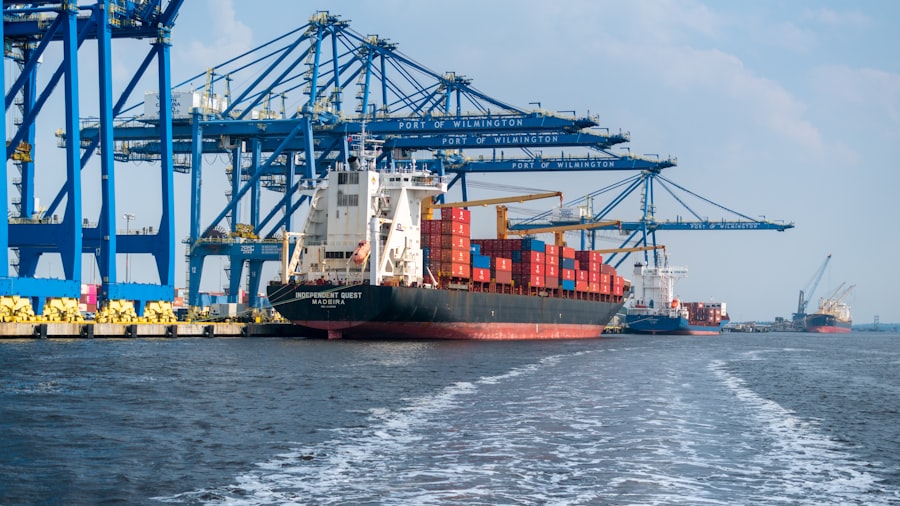
ACTS operates a network comprising strategically located hubs, partner airlines, and ground transportation capabilities, forming a global web that facilitates efficient air cargo movement.
Global Hubs
ACTS maintains primary operational hubs at key international airports, serving as central points for cargo consolidation, sorting, and distribution. These hubs are equipped with advanced infrastructure to handle high volumes of freight.
- North American Hub: Chicago O’Hare International Airport (ORD) is a principal gateway, providing access to major industrial and commercial centers across the continent.
- European Hub: Frankfurt Airport (FRA) serves as the main European nexus, connecting ACTS’s network with markets throughout the European Union and beyond.
- Asian Hub: Hong Kong International Airport (HKG) functions as the central point for operations in Asia, leveraging its geographical position to access various East Asian and Southeast Asian economies.
Fleet and Carrier Partnerships
While ACTS operates a selective fleet of dedicated cargo aircraft for specific routes and charter services, a significant portion of its capacity is secured through partnerships with major passenger and cargo airlines. This approach allows ACTS to leverage existing airline networks and offers flexibility in route selection and capacity acquisition.
- Dedicated Cargo Aircraft: ACTS maintains a small fleet of modern freighter aircraft, primarily for high-demand routes and specialized cargo requiring direct transit. These aircraft are leased or owned, depending on long-term strategic plans.
- Interline Agreements: Through interline agreements with numerous global airlines, ACTS gains access to extensive route networks and cargo hold capacities, providing broad geographical reach without the necessity of owning a vast fleet.
- Charter Brokerage: ACTS acts as a charter broker, arranging ad-hoc charter flights with other carriers when specific client requirements for speed, capacity, or destination cannot be met through scheduled services.
Ground Logistics Integration
The efficacy of air cargo is often dependent on efficient ground logistics at both origin and destination. ACTS integrates its air services with comprehensive ground transportation solutions to provide end-to-end connectivity.
- First-Mile and Last-Mile Delivery: ACTS provides services for collecting cargo from the shipper’s premises (first mile) and delivering it directly to the consignee’s location (last mile), often utilizing a network of regional trucking partners.
- Warehousing and Distribution Centers: Strategic partnerships with warehousing facilities near major airports allow for temporary storage, consolidation, deconsolidation, and value-added services like labeling and repacking before or after air transit.
- Cross-Docking Operations: ACTS facilities at hubs often employ cross-docking, where incoming cargo is immediately transferred to outgoing transport, minimizing storage time and accelerating onward movement.
Also visit our Facebook page.
Technology and Innovation

In a competitive and rapidly evolving industry, ACTS places emphasis on leveraging technology to enhance operational efficiency, improve visibility, and provide superior customer experience.
Shipment Tracking and Visibility
Transparency in logistics is crucial for clients to manage their supply chains effectively. ACTS utilizes advanced systems to provide real-time visibility into shipment status.
- GPS and IoT Integration: Cargo is often equipped with GPS trackers or Internet of Things (IoT) sensors, allowing for continuous monitoring of its location and environmental conditions (e.g., temperature, humidity) throughout its journey.
- Online Tracking Portal: Clients can access a secure online portal to track their shipments, view estimated times of arrival (ETAs), and receive automated notifications regarding key milestones.
- Application Programming Interfaces (APIs): ACTS offers API integrations, enabling clients to directly link their enterprise resource planning (ERP) or supply chain management (SCM) systems with ACTS’s tracking data, fostering seamless data exchange.
Data Analytics and Optimization
Data-driven decision-making is central to ACTS’s strategy for optimizing routes, capacity, and service levels.
- Predictive Analytics: Utilizing historical data and real-time information (e.g., weather patterns, customs delays, traffic), ACTS employs predictive analytics to forecast potential disruptions and adjust operational plans proactively.
- Route Optimization Algorithms: Sophisticated algorithms are used to identify the most efficient air and ground routes, considering factors such as transit time, cost, fuel efficiency, and regulatory compliance.
- Capacity Management Systems: These systems help ACTS to optimize the utilization of available cargo space on aircraft, minimizing empty weight and maximizing revenue while ensuring sufficient capacity for client demands.
Digital Platforms
ACTS aims to simplify the booking and management process through user-friendly digital platforms.
- E-Booking and Documentation: Clients can book shipments online, generate necessary shipping documents (e.g., air waybills, customs declarations), and manage their accounts through a centralized digital platform.
- Customer Relationship Management (CRM) Systems: Robust CRM systems enable ACTS to manage client interactions, track service history, and provide personalized support, acting as a repository of customer information.
- Mobile Applications: ACTS offers mobile applications for both clients and operational staff, allowing for on-the-go tracking, communication, and access to critical information.
Air cargo transport services play a crucial role in the global supply chain, and understanding the sustainability practices within this industry is becoming increasingly important. A related article discusses how sustainability is evolving into a significant priority for freight forwarding, highlighting the need for companies to adopt greener practices. For more insights on this topic, you can read the article on sustainability in freight forwarding here. This shift not only benefits the environment but also enhances the efficiency and reputation of air cargo services.
Regulatory Compliance and Security
Operating in the global air cargo industry necessitates strict adherence to a multitude of international and national regulations, coupled with robust security protocols. ACTS maintains comprehensive systems to ensure compliance and mitigate risks.
International Aviation Regulations
ACTS operates within the framework of international aviation regulations, primarily those set by the International Civil Aviation Organization (ICAO) and the International Air Transport Association (IATA).
- IATA Dangerous Goods Regulations (DGR): ACTS rigorously follows IATA’s DGR for the classification, packaging, labeling, and documentation of hazardous materials, ensuring safe transport.
- ICAO Standards and Recommended Practices (SARPs): These global standards cover various aspects of aviation, including airworthiness, air traffic services, and security, all of which ACTS integrates into its operational procedures.
- Bilateral Air Service Agreements: ACTS operates in accordance with the terms of bilateral air service agreements between countries, which govern the rights to operate international air transport services.
Customs and Trade Compliance
Navigating international borders requires expertise in customs regulations, tariffs, and trade agreements. ACTS provides support to ensure seamless customs clearance.
- Automated Export System (AES) Compliance: For shipments originating from or transiting through the United States, ACTS adheres to AES regulations for electronic export information filing.
- Customs-Trade Partnership Against Terrorism (C-TPAT): As a certified C-TPAT partner, ACTS demonstrates adherence to supply chain security standards, which often facilitates expedited customs processing in the U.S.
- Harmonized System (HS) Classification: ACTS assists clients in correctly classifying their goods using the Harmonized System codes, which is crucial for accurate duty assessment and customs clearance globally.
Security Protocols
The security of air cargo is paramount to prevent illicit activities and ensure the safety of flights. ACTS implements multi-layered security measures.
- Known Shipper Program: ACTS participates in known shipper programs, which allow for expedited screening of cargo from approved, vetted shippers, reducing potential delays.
- Cargo Screening Technologies: Various technologies are employed for screening cargo, including X-ray machines, explosive trace detection (ETD) systems, and physical searches, to detect prohibited items.
- Facility Access Control: ACTS facilities and warehouses are secured with restricted access, surveillance systems, and trained security personnel to prevent unauthorized entry and cargo tampering.
- Supply Chain Visibility and Integrity: Throughout the logistics chain, ACTS maintains strict controls and audit trails to ensure the integrity of the cargo and identify any anomalies or breaches. Regular audits and risk assessments are conducted to continually refine security protocols.
In essence, ACTS functions as a central nervous system for goods, transmitting them across the globe. Its operations are a sophisticated orchestration of technology, infrastructure, human capital, and adherence to regulatory frameworks, all engineered to ensure that goods arrive at their destination reliably and efficiently, traversing the world’s complex arteries of trade.




 ©2026 EXPERT CARGO INTERNATIONAL - All Rights Reserved - Powered by