


The landscape of air cargo costs is a complex ecosystem, a vital conduit for global commerce that moves goods with speed and efficiency. Understanding its intricacies is not merely an academic exercise for businesses; it is a strategic imperative. This guide aims to illuminate the key factors that constitute air cargo costs, equipping you with the knowledge to navigate this dynamic terrain effectively.
The price you pay for air cargo is not a single, monolithic figure. Instead, it is the sum of various charges, each playing a role in the journey of your shipment from origin to destination. These components are influenced by a multitude of global and localized factors, making cost prediction a nuanced process.
General Cargo Rates
The foundational element of air freight pricing is the general cargo rate. This rate is typically quoted per kilogram or per pound and varies based on the origin and destination pair.
Factors Influencing General Cargo Rates
- Distance: Longer routes naturally incur higher fuel and operational costs, translating into higher rates. Think of it as the energy required to propel a ship across an ocean – the further it goes, the more fuel it burns.
- Volume and Weight: Air cargo carriers utilize sophisticated algorithms to determine the chargeable weight of a shipment. This involves comparing the actual weight of the cargo with its volumetric weight (calculated based on dimensions). Whichever is greater – the actual weight or the volumetric weight – will be used for pricing. This ensures that large, lightweight items, which occupy significant space, are priced accordingly.
- Market Demand and Capacity: Like any commodity, the price of air cargo is subject to the forces of supply and demand. During peak seasons (e.g., holidays, major trade fairs) or when there are significant disruptions (e.g., natural disasters, geopolitical events affecting other transport modes), demand can surge, leading to increased rates. Conversely, periods of lower demand may see rates decrease.
- Fuel Surcharges: Aviation fuel is a significant operational expense. Airlines regularly adjust fuel surcharges to reflect fluctuations in global oil prices. These surcharges are often presented as a separate line item on your invoice.
- Airline Specific Pricing: While general principles apply, each airline has its own pricing structure, influenced by their fleet composition, operational efficiency, and market strategy.
Special Cargo Rates
Certain types of cargo require specialized handling, equipment, or regulatory compliance, leading to different pricing structures compared to general cargo.
Types of Special Cargo and Associated Costs
- Perishable Goods: Items like fresh produce, pharmaceuticals, and delicate biological samples demand temperature-controlled environments (reefer units) and expedited handling. This necessitates specialized storage, transportation, and operational procedures, all of which contribute to higher costs.
- Valuable Cargo: High-value items, such as jewelry, precious metals, and certain electronics, often require enhanced security measures, including specialized surveillance, secure storage, and dedicated transport. The increased risk and the cost of mitigation are reflected in the rates.
- Oversized and Heavy Cargo: Shipments exceeding standard dimensions or weight limits require specialized aircraft with larger cargo holds and often necessitate tailored loading and unloading procedures. This involves increased planning, specialized equipment, and dedicated operational teams, resulting in premium pricing.
- Dangerous Goods (DG): The transportation of hazardous materials (e.g., certain chemicals, batteries, aerosols) is subject to stringent international regulations (e.g., IATA Dangerous Goods Regulations). Proper classification, packaging, labeling, documentation, and trained personnel are essential. The inherent risks and the specialized compliance requirements lead to significant additional charges.
- Live Animals: Transporting live animals involves specific kenneling, temperature control, and careful handling to ensure the animal’s welfare. This requires specialized facilities and experienced personnel, impacting the overall cost.
Surcharges and Fees
Beyond the base rates, a multitude of surcharges and fees can be added to your air cargo invoice. These are often less intuitive but are crucial for a complete cost picture.
Common Surcharges and Fees
- Security Surcharges: Airlines and airports implement various security measures to comply with regulations and ensure the safety of air travel. These costs are often passed on to shippers through security surcharges.
- Terminal Handling Charges (THC): These fees cover the costs associated with handling cargo within the airport terminal, including loading, unloading, stacking, and documentation processing. They are levied by the ground handling agents.
- Customs Clearance Fees: Navigating international borders requires compliance with customs regulations. This involves documentation, inspections, and potential duty payments. Customs brokers charge fees for their services, which are then passed on to the shipper.
- Documentation Fees: The generation and management of shipping documents (e.g., airway bills, invoices, certificates of origin) incur administrative costs for airlines and freight forwarders.
- Peak Season Surcharges (PSS): As mentioned, during periods of high demand, airlines often implement PSS to manage capacity and reflect increased operational costs.
- War Risk Surcharges: In regions experiencing conflict or geopolitical instability, airlines may introduce war risk surcharges to account for increased insurance premiums and operational risks.
- General Rate Increases (GRI): Airlines periodically implement GRIs, which are general increases in their base rates, to account for inflation, rising operational expenses, and market adjustments.
Air cargo costs have been a significant concern for businesses navigating the complexities of global trade, especially in the wake of recent economic uncertainties. For a deeper understanding of how freight forwarders can help mitigate these costs and add value in such an environment, you can read the article titled “How Freight Forwarders Add Value in an Uncertain Global Economy” available at this link. This resource provides insights into the strategies employed by freight forwarders to optimize logistics and reduce expenses, making it a valuable read for anyone involved in air cargo operations.
Factors Beyond the Rate Card: Influencing the Bottom Line
While the rate card provides a fundamental understanding, several external and internal factors can significantly impact your overall air cargo expenditure. These are the currents and tides that can either calm or churn the waters of your shipping budget.
Economic and Geopolitical Influences
The global economic climate and geopolitical events act as powerful weather systems, dictating the conditions under which air cargo operates.
How Global Conditions Affect Costs
- Global Economic Growth: A robust global economy generally translates to higher demand for goods, which in turn increases the demand for air cargo. This can lead to higher rates due to increased capacity utilization. Conversely, economic downturns can see reduced demand and potentially lower rates.
- Currency Fluctuations: Air cargo is often priced in U.S. dollars. Fluctuations in the exchange rates between your local currency and the USD can substantially impact the cost of your shipments. If your local currency weakens against the USD, your air cargo costs will effectively increase.
- Trade Policies and Tariffs: Import and export duties, trade agreements, and retaliatory tariffs imposed by governments directly affect the total cost of goods moved by air. Tariffs can add a significant percentage to the landed cost of your product.
- Geopolitical Instability and Conflict: Wars, civil unrest, and political tensions can disrupt air routes, increase security risks, and lead to higher insurance premiums, all of which can drive up air cargo costs.
Operational and Carrier-Specific Considerations
The choices you make regarding carriers and operational strategies have a direct bearing on your expenses.
Carrier Selection and Contract Negotiation
- Carrier Choice: Different airlines have varying cost structures, service levels, and route networks. Researching and comparing offerings from multiple carriers is essential. Some carriers may offer more competitive rates on specific trade lanes or for particular types of cargo.
- Contractual Agreements: For regular shippers, negotiating long-term contracts with airlines can secure more stable pricing and potentially volume-based discounts. These contracts act as anchors, providing predictability in a fluctuating market.
- Route Network and Transit Times: The efficiency of a carrier’s route network can impact transit times and the number of transshipments. More direct routes generally mean less handling and fewer opportunities for delays or damage, potentially leading to overall cost savings.
- Fleet Modernization: Airlines investing in newer, more fuel-efficient aircraft may be able to absorb fuel price increases more effectively or offer slightly lower rates due to reduced operational costs.
Your Business and Shipping Strategy
The way your business operates and the strategies you employ for shipping are fundamental drivers of cost.
Optimizing Your Shipping Process
- Shipment Consolidation: Consolidating multiple smaller shipments into larger, less frequent ones can often lead to lower per-unit costs, especially when utilizing palletized or containerized freight. This is akin to buying in bulk – you generally get a better price per item.
- Packaging and Palletization: Efficient and appropriate packaging can minimize volumetric weight, reduce the risk of damage, and facilitate easier handling, all of which can contribute to cost savings. Proper palletization can optimize space utilization in aircraft holds.
- Supply Chain Visibility: Having clear visibility into your supply chain allows for better planning, identification of inefficiencies, and proactive management of potential cost increases. Knowing where your shipments are and when they are expected is crucial for optimizing logistics.
- Leveraging Freight Forwarders: Freight forwarders act as intermediaries, consolidating shipments from multiple clients and negotiating with airlines on their behalf. They possess market knowledge and can often secure better rates and terms than individual businesses might achieve on their own. Their expertise can be invaluable in navigating the complexities of air cargo.
The Role of Air Waybills and Documentation
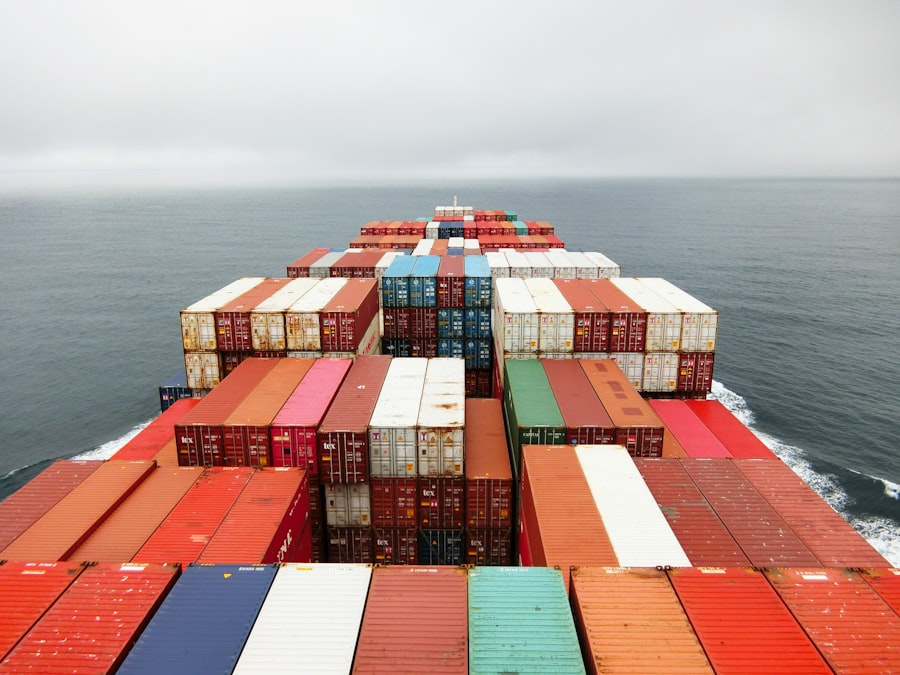
The air waybill (AWB) is the central document in air cargo transportation, serving as a receipt, contract, and title document. Its accuracy and understanding are paramount to managing costs and avoiding disputes.
Understanding the Air Waybill Components
The AWB is not just a piece of paper; it’s a roadmap and a financial ledger.
Key Sections of an AWB
- Shipper and Consignee Information: Names, addresses, and contact details for both the sender and the recipient.
- Flight Details: Flight number, date, and origin/destination airports.
- Nature and Quantity of Goods: A detailed description of the cargo being shipped.
- Chargeable Weight and Rate: The calculated chargeable weight and the agreed-upon rate per unit.
- Declared Value for Carriage: The declared value of the goods for insurance purposes.
- Prepaid and Collect Charges: Indicates whether freight charges are paid by the shipper at the origin or to be collected from the consignee at the destination.
- Special Instructions: Any specific handling requirements or additional services.
The Impact of Documentation Errors
Mistakes on an AWB or supporting documentation can lead to unexpected charges, delays, and even legal complications.
Common Documentation Pitfalls
- Incorrect Commodity Description: Misclassifying goods can lead to incorrect rate application, customs issues, and potential penalties.
- Inaccurate Weight and Dimensions: Errors in reporting weight and dimensions can result in re-weighing charges, additional handling fees, and an inaccurate assessment of chargeable weight.
- Missing or Incorrect Permits/Licenses: Failing to secure necessary import/export permits or licenses can result in shipment seizures, fines, and significant delays.
- Improperly Declared Value: An incorrect declared value can lead to inadequate insurance coverage or unwarranted customs scrutiny.
Also visit our Facebook page.
Navigating the International Air Cargo Landscape
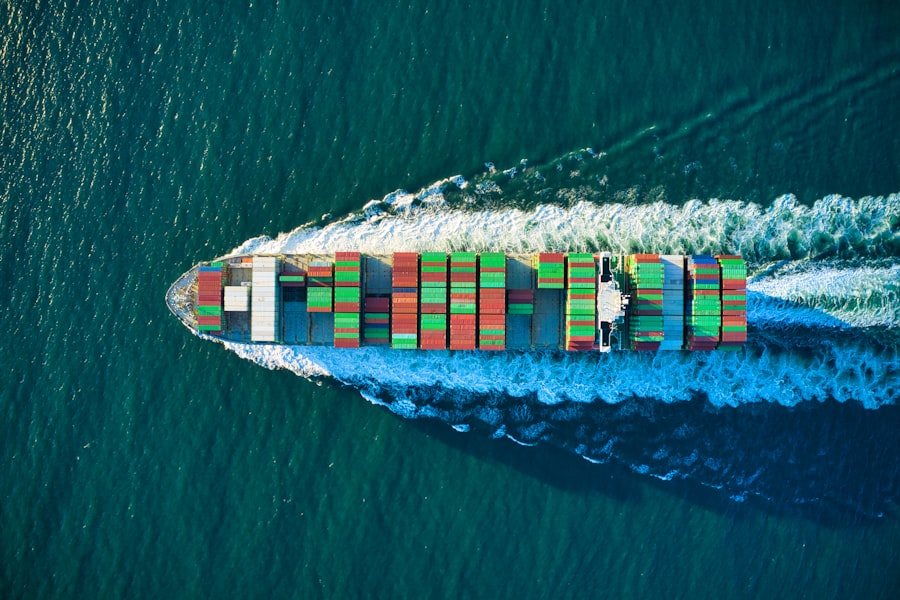
International air cargo brings an added layer of complexity, with customs regulations, duties, and taxes acting as checkpoints on the global trade route.
Customs and Duties: The Gatekeepers of Trade
Understanding customs procedures is crucial for a smooth and cost-effective international air cargo shipment.
Key Customs Considerations
- Import Duties and Taxes: Governments levy duties and taxes on imported goods, which are calculated based on the value of the goods, their classification (Harmonized System – HS codes), and the country of origin. These are a significant component of landed cost.
- Customs Brokerage: Engaging a licensed customs broker is often necessary to navigate the complex customs regulations in different countries. Their fees are added to the total cost.
- Free Trade Agreements (FTAs): FTAs between countries can reduce or eliminate import duties on certain goods, offering significant cost savings. Thoroughly researching applicable FTAs is vital.
- Import/Export Controls and Compliance: Certain goods are subject to import or export controls due to health, safety, environmental, or national security reasons. Failure to comply can lead to severe penalties.
Value-Added Taxes (VAT) and Goods and Services Tax (GST)
These consumption taxes are levied on goods and services and are typically applied at the point of import.
Understanding VAT/GST in Air Cargo
- Calculation Basis: VAT/GST is usually calculated on the CIF (Cost, Insurance, Freight) value of the imported goods plus any applicable duties.
- Registration and Recovery: Businesses may be able to recover VAT/GST paid on imports through their own VAT/GST registration, depending on the tax laws of their country and the nature of their business.
As air cargo costs continue to fluctuate due to various factors, industry stakeholders are increasingly looking for innovative solutions to optimize their operations. A related article discusses how the future of freight forwarding is being shaped by digital transformation, which can significantly impact cost efficiency and service delivery. For more insights on this topic, you can read about it in detail in this article.
Strategies for Cost Optimization in Air Cargo
Proactive planning and strategic adjustments are the keys to unlocking savings in air cargo expenditures.
Proactive Planning and Forecasting
Anticipating future shipping needs allows for better negotiation and resource allocation.
Building a Robust Forecasting Model
- Demand Planning Integration: Aligning air cargo forecasts with overall sales and inventory plans ensures that shipping volumes are accurately projected.
- Seasonal Trends and Market Intelligence: Staying informed about historical seasonal peaks and troughs, as well as current market trends, helps in anticipating rate fluctuations.
- Lead Time Analysis: Understanding the required lead times for different routes and modes of transport allows for the selection of the most cost-effective option without compromising delivery schedules.
Relationship Management and Negotiation
Building strong relationships with carriers and forwarders can lead to preferential treatment and better pricing.
Cultivating Supplier Partnerships
- Regular Communication: Maintaining open and consistent communication with your air cargo partners fosters trust and allows for early identification of potential issues or opportunities.
- Performance Monitoring: Tracking the performance of your carriers and forwarders against agreed-upon service levels helps in identifying areas for improvement and provides leverage during negotiations.
- Leveraging Volume and Loyalty: Consistently providing significant freight volumes to a carrier or forwarder can strengthen your negotiating position for better rates and service.
Exploring Alternative Solutions and Technologies
Innovation in logistics offers new avenues for efficiency and cost reduction.
Embracing Digitalization and Technology
- Digital Freight Marketplaces: Online platforms that connect shippers with carriers and freight forwarders can offer competitive pricing and streamlined booking processes.
- Logistics Management Software (LMS): Advanced LMS can provide real-time tracking, cost analysis, route optimization, and automated invoicing, leading to improved efficiency and cost control.
- Data Analytics for Cost Insights: Utilizing data analytics to identify patterns in your shipping costs, pinpoint areas of inefficiency, and inform future strategies.
In conclusion, navigating air cargo costs is an ongoing process of awareness, analysis, and strategic adjustment. By understanding the fundamental components of pricing, the external factors that influence them, and by proactively implementing optimization strategies, businesses can effectively manage their air freight expenditures and ensure that their goods reach their destinations efficiently and economically.




 ©2026 EXPERT CARGO INTERNATIONAL - All Rights Reserved - Powered by