

Alright, so you’re wondering about getting your goods around Spain efficiently. That’s a smart question, especially with how interconnected businesses are these days. The short answer is: absolutely, Spain has a pretty solid infrastructure and a good range of logistics services available, but like anything, it requires a bit of know-how to make it truly efficient. It’s not just about picking the cheapest option; it’s about matching the service to what you’re moving, where it’s going, and how quickly it needs to get there.
Let’s break down what makes logistics tick in Spain and how you can leverage it to your advantage.
Spain, geographically, is a bit of a mixed bag for logistics. It’s a large country with diverse terrain, and its location at the gateway to Africa and a key point in European trade routes gives it both advantages and challenges. The good news is that the country has heavily invested in its infrastructure over the years, especially in preparation for and following its accession to the European Union. This means you’ve got a decent network to work with.
Key Infrastructure Assets
Spain boasts a comprehensive network of roads, railways, ports, and airports, all of which are crucial for moving goods. The quality and accessibility of these can vary, but generally, you’ll find services that cater to most needs.
Motorways and Road Networks
Spain’s motorway network, known as “autopistas” (generally toll roads) and “autovías” (generally toll-free dual carriageways), is extensive and well-maintained. This is the backbone of road freight transport within the country. It connects major cities and industrial hubs, making overland transport relatively straightforward. For many businesses, especially those dealing with less urgent or bulkier items, road freight is the go-to.
Rail Freight
While not as dominant as road freight, Spain’s rail network carries a significant amount of cargo. It’s particularly useful for long-haul, heavy, or bulk goods where cost-effectiveness and environmental considerations are key. There’s ongoing investment in upgrading and expanding the rail freight capacity, including initiatives to connect major ports and industrial zones more effectively.
Major Ports and Their Role
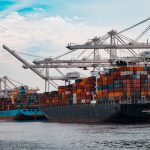
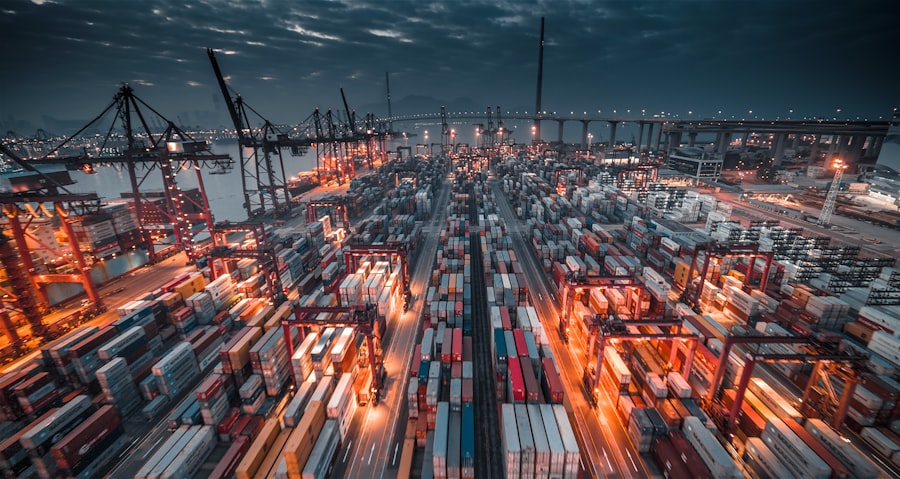
Spain has some of the busiest ports in Europe, particularly along its Mediterranean coast and the Atlantic. Ports like Valencia, Algeciras, Barcelona, and Bilbao are massive hubs for international trade, handling container traffic, bulk cargo, and much more. They are critical entry and exit points for goods coming to and from Spain.
The Importance of Location
Where your goods originate and where they need to end up within Spain makes a big difference. Getting something from Madrid to Barcelona is very different from sending it from a small town in Galicia to the Canary Islands. Proximity to major transport arteries and distribution centers significantly impacts transit times and costs.
In the ever-evolving landscape of logistics services in Spain, understanding the role of freight forwarders is crucial for businesses looking to navigate challenges in the global economy. A related article that delves into how freight forwarders add value during uncertain times can be found at this link: How Freight Forwarders Add Value in an Uncertain Global Economy. This resource provides insights into the strategic advantages that freight forwarders offer, making it an essential read for those involved in logistics and supply chain management.
Choosing the Right Logistics Partner in Spain
This is where the rubber meets the road, so to speak. Picking the right logistics provider can be the difference between seamless delivery and a constant headache. It’s not a one-size-fits-all situation.
Types of Logistics Services Available
From basic shipping to complex supply chain management, Spain offers a spectrum of services. Understanding these categories will help you narrow down your options.
Freight Forwarders
These guys are the orchestrators. They don’t necessarily own the trucks or ships themselves, but they arrange and manage the movement of goods on behalf of their clients. Freight forwarders have extensive networks and expertise, helping you navigate customs, find the best routes, and consolidate shipments. They are particularly useful for international transport and for businesses that don’t have their own in-house logistics team.
Express Couriers and Parcel Delivery
For smaller shipments and time-sensitive deliveries, companies like Correos Express (Spain’s national postal service’s express arm), SEUR, MRW, and DHL are the usual suspects. They have a dense network for last-mile delivery and offer various speed options, from next-day to guaranteed time slots.
Full Truckload (FTL) vs. Less Than Truckload (LTL)
- FTL: This is when you book an entire truck for your shipment. It’s faster and more secure for large volumes because your goods aren’t being combined with others, reducing handling and the risk of damage. It’s generally more expensive per unit of cargo but can be more efficient overall for substantial loads.
- LTL: This service involves sharing truck space with other consignees. It’s a cost-effective solution for smaller shipments that don’t fill a whole truck. The trade-off is usually longer transit times due to consolidation and deconsolidation points, and a higher risk of handling-related issues.
Warehousing and Distribution
Many logistics providers also offer warehousing solutions. This can range from simple storage to value-added services like inventory management, picking and packing, and final assembly. Having goods close to their destination point before final delivery can significantly cut down on transit times and costs.
Vetting Your Potential Partners
Don’t just pick the first name that pops up. Do a bit of digging.
Reputation and Reviews
What are other businesses saying about them? Look for online reviews, testimonials, and ask for references from companies in similar industries or with similar shipping needs. A consistent track record of reliability is gold.
Specialization and Expertise
Does the provider specialize in your type of goods? Are they experienced with the specific regions or countries you need to ship to? For example, if you’re shipping perishable goods, you’ll need a provider with robust cold chain logistics capabilities. If you’re dealing with hazardous materials, their certification and experience are paramount.
Technology and Tracking Capabilities
In today’s world, visibility is key. Can you track your shipments in real-time? Does the provider use modern technology for route optimization, inventory management, and communication? Good tech means fewer surprises and better control.
Pricing Structure
Understand how they charge. Is it per mile, per weight, per pallet, or a combination? Are there hidden fees? Get a clear, written quote that breaks down all costs.
Optimizing Your Shipping Routes and Methods
Once you know who you’re working with, the next step is figuring out the how. Efficiency often comes down to smart route planning and choosing the right mode of transport for each stage of the journey.
Understanding Transit Times and Costs
There’s usually a direct correlation: faster means more expensive. Decide on your acceptable balance.
Balancing Speed, Cost, and Reliability
For urgent deliveries, you might pay a premium for express services. For less time-sensitive shipments, a slower, more economical option like rail or LTL might be perfectly fine and save you a good chunk of money. Reliability is a constant—you want your goods to arrive when they’re supposed to, regardless of the speed.
The Impact of Geography within Spain
As mentioned earlier, distances and terrain matter. Shipping between major coastal cities is often faster and more direct than sending goods inland or to island territories. Consider how the route will be affected by factors like traffic congestion in and around urban areas, particularly during peak hours.
Leveraging Multimodal Transport
This is about combining different modes of transport to optimize the overall journey.
Intermodal vs. Multimodal Explained
- Intermodal: This refers to using the same loading unit (like a container) that is transferred from one mode of transport to another (e.g., from a ship to a train, then to a truck) without the cargo being reloaded.
- Multimodal: This is a broader term where different modes of transport are used for a single shipment, even if the cargo is handled at transfer points. However, in practice, the terms are often used interchangeably.
Examples of Efficient Multimodal Use
Imagine goods arriving at the Port of Valencia by sea. Instead of immediately trucking them all the way to Madrid, they might be loaded onto a train for faster, more cost-effective transit to a rail terminal near the capital, and then a local truck makes the final “last mile” delivery. This can save significant costs and time over doing the entire journey by road, especially for large volumes.
Also visit our Facebook page.
Navigating Customs and Documentation

If your logistics involve international movement, or even movement between mainland Spain and its islands or territories like Ceuta and Melilla, documentation and customs processes are critical. Getting this wrong can lead to significant delays and unexpected costs.
Key Documents for Freight
The specific documents required will depend on whether you’re importing, exporting, or moving goods internally. However, common ones include:
- Commercial Invoice: Details the transaction between buyer and seller.
- Packing List: Describes the contents of each package.
- Bill of Lading (for sea freight) or Air Waybill (for air freight): A contract of carriage and receipt for the goods.
- Customs Declaration Forms: Necessary for import and export clearance.
- Certificates of Origin: May be required to prove where goods were manufactured.
Working with Customs Brokers
If you’re not a seasoned expert in international trade, a customs broker is invaluable. They are licensed professionals who handle the complex paperwork and procedures required to clear goods through customs. They understand the regulations, tariffs, and any special requirements, ensuring your goods move through smoothly and legally.
Specifics for EU vs. Non-EU Trade
- Within the EU: Generally, there are no customs duties or complex declarations for goods moving between Spain and other EU member states. The focus is on ensuring compliance with VAT regulations and any specific product safety or quality standards.
- Outside the EU: This is where customs procedures become more rigorous. You’ll deal with import duties, VAT, potential quotas, and various import licensing requirements depending on the type of product.
In the ever-evolving landscape of logistics services in Spain, companies are increasingly recognizing the importance of digital transformation to enhance their operations. A recent article discusses how embracing technology can significantly improve freight forwarding processes, which is crucial for businesses looking to remain competitive. For more insights on this topic, you can read the article on the future of freight forwarding and discover how innovative solutions are shaping the industry.
Technology and Innovation in Spanish Logistics
The logistics sector, like many others, is being transformed by technology. Embracing these advancements can lead to significant efficiency gains.
The Rise of Digital Platforms
Numerous digital platforms and software solutions are available to help manage logistics. These range from simple online booking systems to sophisticated transportation management systems (TMS).
Benefits of Digitization
- Improved Visibility: Real-time tracking and status updates for all shipments.
- Streamlined Operations: Automation of tasks like booking, scheduling, and documentation.
- Data Analytics: Insights into performance, costs, and potential areas for improvement.
- Enhanced Communication: Easier coordination between all parties involved in the supply chain.
Advanced Tracking and Tracing
Modern logistics providers offer sophisticated tracking capabilities. This isn’t just about knowing where a truck is on a map; it can include monitoring temperature for refrigerated goods, verifying delivery signatures electronically, and providing proof of transit for compliance purposes.
Automation in Warehousing
In larger distribution centers, automation is becoming more common. This can include robotic pallet movers, automated sorting systems, and even drones for inventory checks. While this might be more relevant for large-scale operations or logistics providers themselves, it contributes to an overall more efficient ecosystem.
Logistics services in Spain are becoming increasingly important as businesses seek efficient ways to manage their supply chains. A recent article highlights the significance of sustainability in freight forwarding, emphasizing how companies are prioritizing eco-friendly practices to reduce their carbon footprint. This shift not only benefits the environment but also enhances operational efficiency. For more insights on this topic, you can read the article on sustainability in freight forwarding here.
Ensuring Sustainability in Your Logistics
As environmental concerns grow, sustainability is no longer just a buzzword; it’s a practical consideration that can also lead to cost savings and enhance your brand image.
Greener Transportation Options
- Rail and Sea Freight: As mentioned earlier, these modes are generally more fuel-efficient per tonne-mile than road transport, especially for long distances.
- Electric and Alternative Fuel Vehicles: The adoption of electric vans and trucks is growing in Spain, particularly for urban deliveries. Some companies are also exploring biofuels and hydrogen power.
- Route Optimization Software: Even on the road, smarter routing that minimizes mileage and idling time contributes to fuel efficiency.
Sustainable Warehousing Practices
This can include:
- Energy-efficient lighting and heating systems.
- Waste reduction and recycling programs.
- Optimized warehouse layouts to reduce internal transport needs.
The Circular Economy and Reverse Logistics
This refers to the process of moving goods from their typical final destination for the purpose of capturing value or proper disposal. This can include returns management, recycling material, or refurbishing products. Efficient reverse logistics is becoming increasingly important for businesses looking to minimize waste and comply with environmental regulations.
So, to sum it up, efficient logistics services in Spain are very achievable. It’s about understanding the available infrastructure, choosing the right partners and services for your specific needs, and leveraging technology and best practices to optimize every step of the journey. It requires a bit of planning and due diligence, but the rewards in terms of cost savings, reliability, and customer satisfaction are well worth the effort.




 ©2026 EXPERT CARGO INTERNATIONAL - All Rights Reserved - Powered by