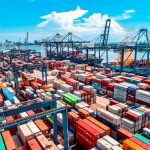


So, you want to get your goods from A to B across borders as smoothly and cheaply as possible? The short answer is: it’s all about smart planning, picking the right partners, and understanding the ins and outs of each transport method. There’s no magic bullet, but a well-thought-out strategy can save you headaches and money.
Before diving into specifics, let’s briefly touch on the main ways to move cargo internationally. Each has its pros and cons, and the best choice depends heavily on your specific needs. It’s not just about speed or cost; reliability, cargo type, and destination all play a huge role.
Sea Freight: The Workhorse of Global Trade
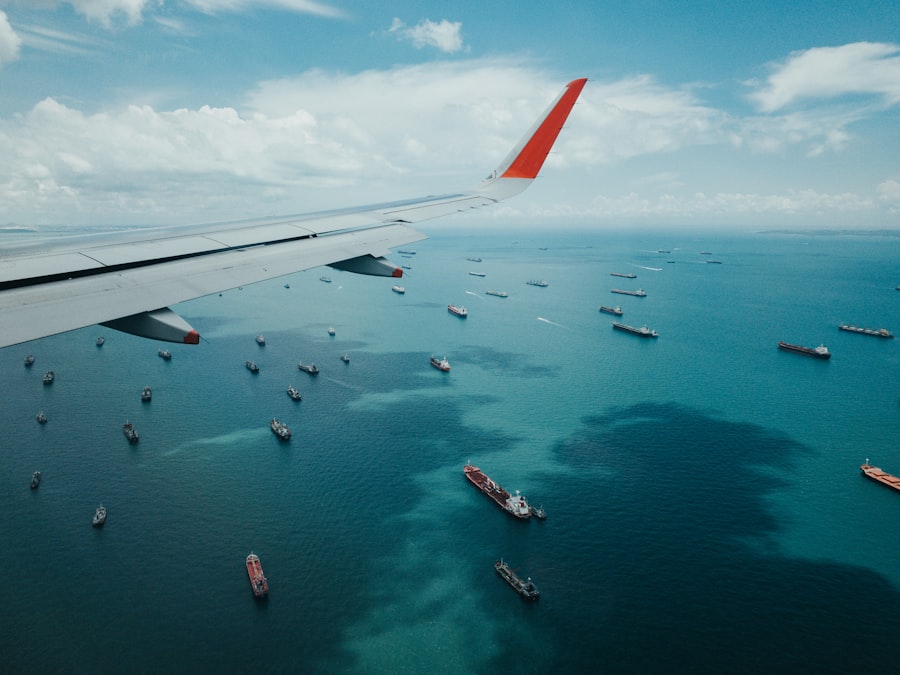
When you’re talking about large volumes, heavy items, or goods where speed isn’t the absolute top priority, sea freight is usually your go-to. It’s incredibly cost-effective for bulk shipments.
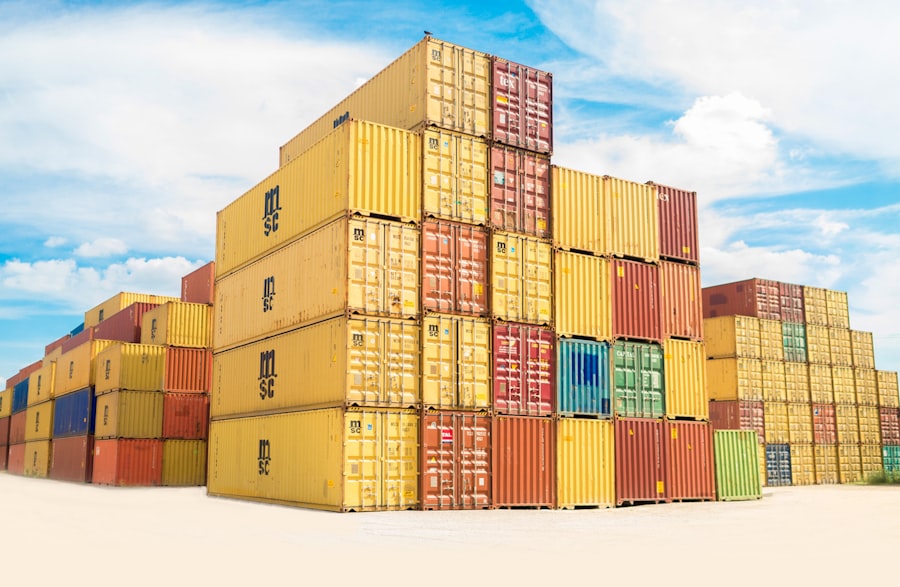
- Full Container Load (FCL): If you have enough goods to fill an entire shipping container – typically 20-foot or 40-foot units – FCL is often the most economical and straightforward. You get dedicated container space, which means less handling and potentially fewer delays.
- Less Than Container Load (LCL): Don’t have enough to fill a container? No problem. LCL allows you to share container space with other shippers. While more affordable for smaller volumes than FCL, it often takes longer due to consolidation and deconsolidation processes at ports.
- Specialized Cargo: Beyond standard containers, ships handle a massive variety of specialized cargo. Think about bulk carriers for grain or iron ore, roll-on/roll-off (RoRo) vessels for vehicles, or even refrigerated (reefer) containers for perishables.
- Key Considerations: While cheap, sea freight is slow. Transit times can range from weeks to months depending on the route. It’s also susceptible to port congestion, customs delays, and unpredictable weather. Planning well in advance is essential.
Air Freight: Speed When It Matters Most
When time is of the essence, air freight steps in. It’s significantly faster than sea freight but comes at a higher cost. This makes it ideal for high-value goods, perishables, urgent shipments, or items with tight delivery deadlines.
- Express vs. Standard Services: Many air carriers offer a range of services. Express options guarantee faster delivery, sometimes even door-to-door, but at a premium. Standard services are still quicker than sea freight but allow for more flexible scheduling and potentially lower costs.
- Cargo Type Restrictions: While air freight is versatile, there are strict regulations regarding hazardous materials, lithium batteries, and certain oversized items. Always check with your carrier about restrictions.
- Weight and Volume: Air cargo is often priced based on chargeable weight, which is the greater of the actual weight or the volumetric weight. Understanding this can help you optimize packaging.
- Key Considerations: Cost is the primary drawback. Fuel surcharges, security fees, and handling charges can add up quickly. It’s also more susceptible to weather disruptions and can have tighter cut-off times for booking.
Road Freight: Flexibility and Door-to-Door
For shorter distances, particularly within continents or for the “first and last mile” legs of an international journey, road freight is indispensable. It offers excellent flexibility and direct door-to-door service.
- Full Truck Load (FTL): Similar to FCL for sea freight, FTL means your goods fill an entire truck. This offers the fastest transit time for road freight as there are no intermediate stops for other cargo.
- Less Than Truck Load (LTL): If you don’t have enough goods for a full truck, LTL allows you to share space with other shipments. More cost-effective for smaller volumes but involves consolidation and deconsolidation, potentially slowing things down.
- Cross-Border Specifics: When crossing international borders by road, customs procedures, specific country regulations, and potential border delays become critical factors.
- Key Considerations: Road freight is excellent for regional deliveries and integrating with other modes (e.g., getting goods to and from a port or airport). It’s generally more expensive per unit over long distances than rail or sea and can be subject to traffic, road conditions, and driver availability.
Rail Freight: The Often-Overlooked Middle Ground
Rail freight offers a good balance between cost and speed, especially for long-distance landlocked movements or between major economic hubs. It’s more environmentally friendly than road or air.
- Intermodal Solutions: Rail excels in intermodal transport, where containers are moved seamlessly between trains, trucks, and ships. This creates efficient supply chains, particularly for transatlantic or transcontinental routes.
- Block Trains: For large, consistent volumes along specific routes, block trains (entire trains dedicated to one type of cargo or shipper) offer significant efficiencies and cost savings.
- Key Considerations: Rail infrastructure isn’t universally available, and it lacks the door-to-door flexibility of road transport. You’ll often need road freight for the initial and final legs. Schedules can be less frequent than road, and security can be a concern in some regions.
International cargo transport plays a crucial role in global trade, and understanding the value added by freight forwarders can significantly enhance logistics strategies. For a deeper insight into how these professionals navigate challenges in an uncertain global economy, you can read the article titled “How Freight Forwarders Add Value in an Uncertain Global Economy” available at this link. This resource highlights the essential services provided by freight forwarders and their impact on the efficiency of international shipping operations.
Strategic Planning: Beyond the Transport Method
Choosing a mode is just the beginning. Real efficiency comes from a holistic approach to your shipping strategy.
Incoterms: Defining Responsibilities and Costs
These seemingly dry three-letter codes are fundamental. Incoterms (International Commercial Terms) define who is responsible for what, precisely when risk and cost transfer from seller to buyer. Getting these wrong can lead to nasty surprises.
- Buyer vs. Seller Responsibility: Incoterms like EXW (Ex Works) place most responsibility on the buyer, while DDP (Delivered Duty Paid) places it almost entirely on the seller. Most common terms fall somewhere in between, like FOB (Free On Board) or CIF (Cost, Insurance & Freight).
- Impact on Pricing: A higher Incoterm responsibility for you (as the shipper) means more control but also more costs to account for. For buyers, a lower Incoterm might mean a cheaper purchase price but more shipping hassles to manage.
- Clarity is Key: Always specify the Incoterm in your sales contract. Both parties need to understand what it means for insurance, customs clearance, and delivery. Don’t assume.
Packaging and Loading: Protecting Your Investment
It might sound basic, but how you pack and load your goods has a huge impact on safety, cost, and efficiency.
- Optimizing Space: Irregularly shaped items or poorly packed boxes waste valuable container or pallet space, leading to higher costs. Unitizing (e.g., palletizing) helps maximize efficiency.
- Protection from Elements and Handling: Goods travel through various climates and are handled multiple times. Proper dunnage, shrink wrap, and sturdy cartons prevent damage. Don’t skimp on this; claims are a headache.
- Labeling and Documentation: Clear, accurate labeling helps prevent misrouting and speeds up handling. Ensure all necessary documents are affixed or enclosed as required by regulations (e.g., dangerous goods placards).
- Weight Distribution: For containers and trucks, proper weight distribution is crucial for stability and safety. Overloading or uneven loading can lead to fines, accidents, and damage.
Partnering for Success: Choosing the Right Allies
You can’t do it all yourself, nor should you. The right partners can make or break your shipping experience.
Freight Forwarders: Your Logistics Orchestrator
A good freight forwarder is your single point of contact for complex international shipping. They don’t transport goods themselves but arrange everything on your behalf.
- Negotiating Rates: Forwarders leverage their volume and relationships with carriers to get competitive rates for air, sea, rail, and road.
- Documentation and Compliance: They handle the mountain of paperwork: bills of lading, airway bills, customs declarations, certificates of origin, and more. This is where their expertise really shines.
- Customs Brokerage: Many forwarders have in-house customs brokerage services or work closely with trusted brokers to ensure smooth clearance.
- Supply Chain Visibility: The better forwarders offer tracking and visibility tools, allowing you to monitor your shipment’s progress.
- Problem Resolution: When things go wrong (and they sometimes do), a good forwarder is your advocate, helping resolve issues with carriers, customs, or other third parties.
Customs Brokers: Navigating Regulatory Complexities
Customs procedures are a minefield of regulations, tariffs, duties, and ever-changing laws. A dedicated customs broker is invaluable.
- Classification and Valuation: They’ll accurately classify your goods using HTS (Harmonized Tariff Schedule) codes and ensure correct valuation to avoid overpaying or underpaying duties.
- Duty and Tax Calculation: Brokers determine the exact duties, taxes, and fees applicable to your shipment based on origin, destination, and product classification.
- Compliance and Risk Mitigation: They ensure your shipment complies with all import/export regulations, preventing fines, delays, or even seizure of goods.
- Handling Inspections: If your shipment is selected for inspection, the broker will coordinate with customs authorities on your behalf.
Also visit our Facebook page.
Technology and Data: The Modern Edge
In today’s fast-paced world, technology isn’t just nice to have; it’s essential for maximizing efficiency.
Real-Time Tracking and Visibility
Gone are the days of guessing where your shipment is. Modern tracking systems offer granular, real-time updates.
- Proactive Problem Solving: Knowing exactly where your goods are allows you to anticipate potential delays and proactively communicate with customers or adjust plans.
- Improved Customer Service: Providing customers with tracking information builds trust and reduces inquiries.
- Data for Optimization: Tracking data offers insights into transit times, common delay points, and carrier performance, which can be used to refine future strategies.
Data Analytics for Performance Improvement
Collecting and analyzing your shipping data can reveal patterns and opportunities for improvement that might otherwise go unnoticed.
- Carrier Performance Evaluation: Which carriers consistently meet their deadlines? Which have the most damage claims? Data helps you choose better.
- Route Optimization: Analyze transit times and costs for different routes to find the most efficient pathways.
- Cost Analysis: Break down your shipping costs to identify areas where savings can be made, perhaps through renegotiating rates or optimizing packaging.
- Inventory Management: More accurate delivery predictions thanks to better data can significantly improve your inventory planning and reduce warehousing costs.
In the ever-evolving landscape of international cargo transport, sustainability has become a crucial focus for many companies striving to reduce their environmental impact. A related article discusses how sustainability in freight forwarding is not just a trend but a growing priority for the industry. By exploring innovative practices and technologies, businesses can enhance their operations while contributing to a greener future. For more insights on this important topic, you can read the article on sustainability in freight forwarding here.
Risk Management: Preparing for the Unexpected
Even the best-laid plans can hit bumps. Having a strategy for dealing with potential issues is a mark of a truly efficient operation.
Insurance: Don’t Skip This Step
Cargo insurance is often overlooked in an effort to save money, but it’s a critical safety net.
- Carrier Liability vs. Full Coverage: Understand that carriers have limited liability, often far less than the value of your goods. Cargo insurance provides comprehensive protection against loss, damage, or theft.
- Types of Coverage: Discuss options like “all-risk” vs. “named perils” coverage with your insurer or freight forwarder.
- Peace of Mind: The cost of insurance is usually a small percentage of your goods’ value, offering significant peace of mind against potentially devastating financial losses.
Contingency Planning: What If?
Things will go wrong occasionally. Having a backup plan makes the disruption manageable.
- Alternative Routes/Carriers: If a primary port is congested or an airline faces strikes, do you have an alternative route or carrier lined up?
- Emergency Stock: For critical components or products, maintaining a small buffer stock can buy you time if a shipment is delayed.
- Communication Protocols: Establish clear communication plans for notifying customers and internal teams in case of delays or issues.
- Understanding Regulations: Keep up-to-date with geopolitical events or changes in trade agreements that could impact your supply chain.
By systematically addressing these areas, you move beyond simply shipping goods and start building a resilient, cost-effective, and efficient international cargo transport strategy. It’s an ongoing process of refinement and adaptation, but the benefits in reduced costs and healthier customer relationships are well worth the effort.




 ©2026 EXPERT CARGO INTERNATIONAL - All Rights Reserved - Powered by