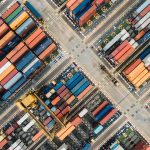


The European trucking industry is on the cusp of significant change, driven by environmental pressures, technological advancements, and evolving logistical demands. We’re talking about a future where trucks are cleaner, smarter, and more efficient, ultimately reshaping how goods move across the continent. This isn’t just about different-looking vehicles; it’s about a complete overhaul of the supply chain, impacting everything from delivery times to operational costs.
One of the biggest drivers of change is the urgent need to reduce emissions. The EU has set ambitious targets, and the trucking sector is a major focus.
The Rise of Electric Trucks
Electric vehicles (EVs) aren’t just for passenger cars anymore. Heavy-duty electric trucks are becoming a serious contender for short- and medium-haul routes.
- Range and Charging Infrastructure: Early concerns about range anxiety and a lack of charging points are slowly being addressed. Battery technology is improving, offering longer ranges, and charging networks are expanding, especially along major freight corridors. Companies are investing in depot charging solutions, and public charging hubs are becoming more common.
- Total Cost of Ownership (TCO): While the initial purchase price of electric trucks can be higher, lower fuel (electricity) costs, reduced maintenance needs (fewer moving parts), and potential government incentives are making their TCO increasingly competitive over the vehicle’s lifespan. We’re also seeing new business models emerging, like battery-as-a-service, to further lower upfront costs.
- Pilot Programs and Production Scale-Up: Major manufacturers like Volvo, Daimler, and Scania are already operating electric trucks in pilot programs across Europe. These trials are providing crucial real-world data and helping to refine the technology. Production lines are scaling up, indicating a strong belief in the long-term viability of electric freight.
Hydrogen Fuel Cell Electric Vehicles (FCEVs)
For longer distances and heavier loads, hydrogen fuel cell trucks are emerging as a promising alternative to battery-electric.
- No Range Anxiety, Faster Refueling: FCEVs offer ranges comparable to diesel trucks and can be refueled in minutes, a significant advantage over battery charging times for long-haul operations. This makes them particularly appealing for cross-border transport.
- Green Hydrogen Production: The key challenge here is the production of “green” hydrogen – hydrogen produced using renewable energy sources – and the development of a robust fueling infrastructure. Significant investment is needed to make this widespread.
- Government and Industry Backing: Both the EU and individual member states are supporting hydrogen initiatives, recognizing its potential to decarbonize difficult-to-electrify sectors like heavy-duty transport. Collaborative projects involving energy companies, truck manufacturers, and logistics providers are popping up across the continent.
Sustainable Biofuels
While electrification and hydrogen are the long-term goals, sustainable biofuels are playing a crucial role as an interim solution.
- Immediate Emission Reductions: Biofuels like HVO (Hydrotreated Vegetable Oil) can significantly reduce greenhouse gas emissions and particulate matter compared to conventional diesel, often without requiring extensive engine modifications. This offers an immediate path to lower emissions for existing fleets.
- Blending and Availability: Biofuels can be blended with diesel or used as a standalone fuel. Their availability is increasing, and many European countries are actively promoting their use.
- Sustainability Concerns: It’s important to ensure these biofuels are truly sustainable, meaning they don’t contribute to deforestation or compete with food production. Certification schemes are in place to address these concerns.
In the ever-evolving landscape of logistics, sustainability has become a critical focus for European trucking companies. A related article that delves into this important topic is “Sustainability in Freight Forwarding: A Growing Priority,” which discusses how the freight industry is adapting to environmental challenges and implementing greener practices. For more insights on this subject, you can read the article here: Sustainability in Freight Forwarding: A Growing Priority.
Smarter Logistics: Digitalization and Optimization
Beyond the trucks themselves, the way freight is managed is undergoing a profound transformation, driven by data and digital tools.
Real-Time Tracking and Visibility
Knowing exactly where your goods are at any given moment is no longer a luxury; it’s becoming a standard expectation.
- Improved Supply Chain Reliability: Real-time visibility allows for proactive problem-solving, like rerouting shipments around unexpected delays or communicating accurate ETAs to customers. This dramatically boosts the reliability of the entire supply chain.
- Enhanced Security: GPS tracking and sensor data can provide alerts for unauthorized stops or deviations from planned routes, increasing cargo security and deterring theft.
- Data-Driven Decision Making: The wealth of data generated by tracking solutions can be analyzed to identify bottlenecks, optimize routes, and improve overall operational efficiency. This moves logistics from reactive to proactive.
AI and Machine Learning for Route Optimization
Manual route planning is quickly becoming a thing of the past. AI is taking over, offering unprecedented levels of efficiency.
- Dynamic Route Adjustment: AI algorithms can analyze real-time traffic conditions, weather forecasts, road closures, and even delivery priorities to dynamically adjust routes, minimizing travel time and fuel consumption.
- Load Consolidation and Backhauling: AI can optimize load planning, identifying opportunities to consolidate shipments or secure backhauls, reducing empty miles and maximizing vehicle utilization. This is a huge win for both efficiency and reducing emissions.
- Predictive Maintenance: Machine learning can analyze telematics data from trucks to predict potential maintenance issues before they occur, allowing for scheduled repairs rather than costly on-road breakdowns. This reduces downtime and boosts operational reliability.
Digital Freight Platforms and Freight Matching
Analog freight booking is being replaced by online platforms that connect shippers and carriers more efficiently.
- Increased Efficiency and Transparency: Digital platforms streamline the booking process, offering transparent pricing and reducing administrative overhead. Shippers can quickly find suitable carriers, and carriers can easily find loads.
- Reduced Empty Miles: These platforms help to reduce the number of “empty miles” (trucks traveling without cargo) by connecting carriers with return loads, improving utilization and reducing environmental impact.
- Democratization of the Market: Smaller carriers can compete more effectively by accessing a wider range of freight opportunities, while shippers gain access to a larger pool of transport providers.
Autonomous and Semi-Autonomous Driving

Driver shortages and safety concerns are pushing the industry towards increasingly automated solutions.
Platooning Technology
This isn’t fully autonomous, but it’s a significant step towards it, with real-world benefits emerging.
- Fuel Efficiency Gains: Platooning involves several trucks driving in close formation, electronically linked. The lead truck breaks the air resistance, allowing subsequent trucks to benefit from reduced drag, leading to significant fuel savings (typically 5-10%).
- Improved Safety: The electronic linking and rapid communication between trucks reduce human error and reaction times, potentially improving road safety.
- Regulatory Hurdles: The main challenges are regulatory frameworks across different European countries, as well as the need for standardized communication protocols between different truck brands.
Hub-to-Hub Autonomous Driving
The first practical applications of fully autonomous trucks are likely to be on dedicated routes or within controlled environments.
- Long-Haul Highway Driving: Self-driving trucks are being developed for “hub-to-hub” operations, where they travel autonomously on highways between distribution centers. Human drivers would handle the “first and last mile” in complex urban environments.
- Addressing Driver Shortages: This approach could help alleviate the severe driver shortages facing the industry, as one driver might be able to oversee multiple autonomous vehicles remotely or focus on the more challenging urban segments.
- Safety and Public Acceptance: Rigorous testing and robust safety protocols are paramount for gaining public trust and acceptance of autonomous vehicles on public roads.
Last-Mile Delivery Innovations
While big trucks handle the long haul, the final leg of delivery is also seeing innovation.
- Electric Vans and Cargo Bikes: For urban deliveries, electric vans and even cargo bikes are becoming increasingly common, especially in congestion zones and low-emission areas.
- Micro-Hubs: Goods are consolidated at peripheral urban micro-hubs and then distributed using smaller, more environmentally friendly vehicles, reducing the number of large trucks entering city centers.
- Autonomous Delivery Robots and Drones: While still largely in experimental phases, autonomous ground vehicles and drones could play a niche role in very specific last-mile delivery scenarios, especially in less densely populated areas or for specific types of goods.
Also visit our Facebook page.
Adapting to New Regulations and Infrastructure

The shift isn’t just technological; it’s also about a supportive policy environment and the necessary physical infrastructure.
EU Green Deal and Mobility Strategy
These overarching policies are shaping the entire future of European transport.
- Emission Targets: The EU has set binding targets to reduce greenhouse gas emissions, pushing the trucking industry towards cleaner alternatives. This includes stricter CO2 emission standards for heavy-duty vehicles.
- Sustainable and Smart Mobility Strategy: This strategy outlines a roadmap for making European transport more sustainable, digital, and resilient, with significant emphasis on shifting freight to cleaner modes and improving efficiency.
- Funding and Incentives: The EU provides funding and incentives for research, development, and deployment of clean vehicles and charging infrastructure, encouraging early adoption of new technologies.
Infrastructure Development
You can’t have electric or hydrogen trucks without places to charge or refuel them.
- High-Power Charging Networks: The challenge for trucks is much greater than for cars due to larger battery capacities and the need for faster charging to minimize downtime. Dedicated high-power charging infrastructure along major corridors is critical.
- Hydrogen Refueling Stations: A sparse network of hydrogen stations currently exists, but this needs to expand dramatically, especially along international freight routes, to support widespread FCEV adoption.
- Smart Road Infrastructure: Future roads might incorporate vehicle-to-infrastructure (V2I) communication, dynamic tolling based on emissions, and even inductive charging sections to support cleaner and smarter freight movement.
Harmonized Regulations Across Borders
Europe’s unique cross-border nature means consistent rules are essential.
- Standardization of Charging & Fueling: Different charging plug types or hydrogen dispensing pressures across countries would create massive headaches. Harmonized standards are crucial for seamless international freight.
- Autonomous Vehicle Legislation: As autonomous trucks become a reality, a consistent legal framework for their operation, liability, and data sharing across member states will be vital to unlock their full potential on cross-border routes.
- Weight and Dimension Regulations: While largely harmonized, minor differences in weight and dimension regulations can still create inefficiencies. Efforts to streamline these across the EU continue to ensure smoother cross-border operations.
As the European trucking industry continues to evolve, many companies are exploring innovative strategies to enhance their operations and improve efficiency. A recent article discusses the impact of digital transformation on freight forwarding, highlighting how technology is reshaping logistics and transportation. For more insights on this topic, you can read the article on the future of freight forwarding. This shift towards digital solutions is essential for trucking companies looking to stay competitive in a rapidly changing market.
The Human Element: Drivers and New Skillsets
Amidst all this technological change, the role of people in trucking will also evolve.
Addressing the Driver Shortage
Technology isn’t just about replacing jobs; it’s also about making existing jobs more appealing and sustainable.
- Improved Working Conditions: New technologies, such as advanced driver-assistance systems (ADAS) and autonomous features, can reduce driver fatigue and make the job safer and less physically demanding.
- Attractive Training Programs: Investing in training and upskilling programs to attract new talent to the industry is vital. This includes training for operating new vehicle technologies and digital logistics platforms.
- Remote Operations and Automation: While long-haul drivers might see their roles change, new jobs will emerge in supervising autonomous vehicles, maintaining complex electronic systems, and managing sophisticated logistics platforms.
Skill Development and Reskilling
The traditional truck driver role is expanding to include more technical and analytical skills.
- Digital Literacy: Drivers will need to be comfortable interacting with advanced telematics systems, digital freight platforms, and potentially autonomous vehicle interfaces.
- Maintenance of New Technologies: Technicians will require specialized training to maintain electric drivetrains, battery management systems, fuel cells, and sophisticated sensor arrays.
- Data Analysis: Logistics managers will increasingly rely on data analytics to optimize operations, manage complex supply chains, and make informed strategic decisions.
The European trucking landscape is undergoing a profound and necessary evolution. It’s a complex puzzle involving technological breakthroughs, policy shifts, infrastructure investments, and a focus on the people who make it all happen. The future will be cleaner, smarter, and ultimately more efficient, benefiting not just the industry but also the environment and the entire European economy.




 ©2026 EXPERT CARGO INTERNATIONAL - All Rights Reserved - Powered by